Posted on

Types of golf clubs explained: maximize your game

Complete golf club set beside putting green


TL;DR:

  • Understanding each golf club’s purpose improves shot selection and overall game performance.
  • Different club types offer unique advantages for distance, control, and versatility on the course.
  • Choosing the right clubs involves assessing skill level, common trouble areas, and getting fitted if possible.

Standing over the ball with the wrong club in your hands is one of the most frustrating feelings in golf. You know the shot. You can see it. But if your club doesn’t match the situation, your score takes the hit. The naked truth is that most golfers, from beginners to mid-handicappers, struggle not because they lack talent but because they don’t fully understand what each club is designed to do. Once you get that clarity, something clicks. This article breaks down every major club type, compares them side by side, and gives you real, actionable guidance to make smarter choices on the course.

Table of Contents

Key Takeaways

Point Details
Know your club types Understanding each type of golf club helps you choose the right tool for every shot.
Match clubs to your needs Your playing style and skills determine which clubs will best improve your performance.
Comparison is key Side-by-side analysis reveals the strengths and weaknesses of each club type.
Customization matters Personalized and fitted clubs can maximize both comfort and results.

Understanding golf club categories

Let’s get one thing straight before we go further. A golf bag isn’t just a random collection of metal and graphite. Every club in there has a specific job, and knowing those jobs is half the battle. Golf clubs are typically divided into woods, irons, hybrids, wedges, and putters, and each category covers a different range of situations on the course.

Here’s a quick look at what each category handles:

  • Woods: Built for maximum distance, usually off the tee or long fairway shots
  • Irons: Versatile workhorses used for approach shots and varied distances
  • Hybrids: A blend of woods and irons, offering forgiveness and flexibility
  • Wedges: Specialized for the short game, sand, and high-loft situations
  • Putters: Designed for controlled, low-speed strokes on the green

A standard set of 14 clubs typically includes a driver, a couple of fairway woods, a set of irons (usually 5 through 9), one or two hybrids, several wedges, and a putter. That combination covers almost every situation the course throws at you. If you want to dig deeper into how these fit together, check out this beginner golf club guide that lays it all out clearly.

Understanding the categories also helps you read the game better. When you know a hybrid can bail you out of a rough lie, or that a lob wedge gives you the height you need over a bunker, you stop guessing and start playing with intention. Pairing that knowledge with a solid golf shot guide makes a measurable difference in how you approach each hole.

Of course, knowing the rules around clubs matters too. You can carry up to 14 clubs per round under golf rules basics, so building a smart, balanced set is both a strategic and a regulatory decision.

Pro Tip: If you’re just starting out or working with a tight budget, prioritize a driver, a 7-iron, a pitching wedge, and a putter. Those four clubs cover more situations than people realize, and they give you a foundation to build from as your game grows.

Detailed breakdown of each club type

Now that you know the categories, let’s dive into the specifics and see how each type performs on the course.

Woods are used for distance shots, typically off the tee. The driver, or 1-wood, is the longest club in the bag and generates the most speed. Fairway woods (3-wood, 5-wood) are slightly shorter and work well from both the tee and the fairway when you need serious yardage without using the driver.

Golfer making tee shot with driver

Irons cover mid-range distances and give you control. Lower-numbered irons (3, 4, 5) hit the ball farther with a lower trajectory. Higher-numbered irons (7, 8, 9) hit shorter, higher shots with more stopping power. They’re your go-to clubs for approach shots into the green.

Hybrids are a genuine game-changer, especially for mid-to-high handicappers. They look like a cross between a wood and an iron, and that design makes them far more forgiving on off-center hits. Most players use hybrids to replace their harder-to-hit long irons.

Wedges come in several varieties: pitching wedge, gap wedge, sand wedge, and lob wedge. Each has a different loft angle, which changes the height and distance of the shot. Sand wedges have a wide, rounded sole designed to glide through sand without digging in. Lob wedges produce very high, soft-landing shots ideal for tight pin positions.

Putters are the most personal club in the bag. Blade putters offer precision. Mallet putters offer more forgiveness on off-center strokes. The right putter depends on your stroke style and feel preferences more than any other factor.

“Match your club to your swing, not your ego. The best club is the one that consistently puts the ball where you need it.”

Here’s a simple order for when to use each club type:

  1. Driver or fairway wood off the tee on long holes
  2. Fairway wood or hybrid for long shots from the fairway
  3. Mid-iron for approach shots from 150 to 180 yards
  4. Short iron for approach shots inside 150 yards
  5. Wedge for chips, pitches, bunker shots, and high-loft approaches
  6. Putter once you’re on the green

The golf learning center has more on developing the skills to use each of these clubs effectively.

Comparison of golf club types: Pros, cons, and ideal use cases

Understanding features is important, but comparing club types side by side helps make the right selection.

Club type Distance Control Forgiveness Best for
Woods High Lower Moderate Tee shots, long fairway shots
Irons Medium High Low to moderate Approach shots, mid-range
Hybrids Medium-high Moderate High Rough lies, replacing long irons
Wedges Low Very high Low Short game, sand, high loft
Putters Minimal Very high Moderate Green play, short strokes

Here’s a quick breakdown of the pros and cons for each:

Woods

  • Pros: Maximum distance, great for opening tee shots
  • Cons: Less control, can be unforgiving on off-center hits

Irons

  • Pros: Versatile, precise, great for shot-shaping
  • Cons: Harder to hit consistently, especially long irons

Hybrids

  • Pros: Hybrid clubs combine the easy-to-hit nature of woods with the precision of irons, making them one of the most versatile options in the bag
  • Cons: Less workability than a dedicated iron for advanced shot-shaping

Wedges

  • Pros: Precision around the green, essential for scrambling
  • Cons: Limited range, requires solid technique to use well

Putters

  • Pros: Crucial for scoring, huge variety of options
  • Cons: Highly personal, can take time to find the right fit

For beginners, hybrids and higher-numbered irons are the most forgiving starting points. Intermediate players benefit from adding more wedge variety and dialing in their iron distances. Advanced players tend to favor bladed irons and specialty wedges for maximum shot control. Whatever your level, golf shot types matter as much as the clubs themselves.

How to select the right golf clubs for your game

With the comparison mapped out, let’s focus on how to actually select the best clubs for you.

Start by being honest about your game. Do you struggle with distance? Do you hit the ball consistently, or is every round a guessing game? Your answers point you toward the right club characteristics. Distance issues often suggest moving toward higher-lofted woods or hybrids. Consistency issues usually mean forgiving club heads with larger sweet spots.

Here’s a simple guide to matching player profile to club type:

Player type Recommended focus
Beginner Hybrids, high-lofted irons, forgiving driver
Intermediate Mixed iron set, multiple wedges, fitted putter
Advanced Bladed irons, specialty wedges, custom driver
Senior/slower swing Lighter shafts, more loft, forgiving heads

Some of the most common beginner mistakes are totally avoidable:

  1. Buying a full set before knowing your swing style
  2. Choosing clubs based on what the pros use instead of what fits your game
  3. Ignoring shaft flex, which affects both distance and accuracy
  4. Overlooking the short game and under-investing in wedges and a putter
  5. Never getting a fitting, even a basic one

Pro Tip: Try before you buy. Most golf retailers and pro shops offer demo days or fitting sessions. Even one session can save you from spending money on clubs that fight your natural swing. Golf club personalization is also worth exploring since fitting and customization can improve a player’s performance and enjoyment in ways that generic off-the-shelf sets simply can’t match.

And don’t forget the physical side of the game. If you’re playing in exposed conditions, practical gear like golf UV protection clothing can keep you comfortable through long rounds, which directly affects how well you swing later in the day.

Expert perspective: Why experimenting with club types transforms your game

Here’s something most golfers won’t tell you: sticking with the same setup for years is one of the biggest silent killers of improvement. We see it constantly. A player finds a set they’re comfortable with, stops experimenting, and then wonders why their game has plateaued.

The golf industry will tell you to find your clubs and commit. We’d push back on that a little. Your swing changes. Your fitness changes. Your course conditions change. A club that served you well three years ago might actually be holding you back right now.

The golfers who improve the fastest are the ones willing to test, adjust, and try something different. That might mean swapping a long iron for a hybrid. It might mean getting a new putter fitting after years of inconsistency on the green. Small changes, grounded in real feedback from your actual game, produce real results. If you want support along the way, golf lessons guaranteed to help you connect the dots between your clubs and your swing are a smart investment.

Explore more: Personalize and upgrade your golf gear

Knowing your clubs is a powerful first step. But the real fun starts when you make your gear truly yours.

https://golf-blab.com

At Golf Blab, we believe your equipment should reflect your game and your style. Whether you’re looking to add custom flair with golf shaft labels or you want to browse performance accessories to support your next round, we’ve got you covered. Dive into the world of golf club personalization and see how a few smart upgrades can change the way you feel walking onto the first tee. Head over to our full shop golf gear collection and take the next step in building a bag you’re genuinely proud of.

Frequently asked questions

How many types of golf clubs are in a standard set?

A standard golf set includes five main types: woods, irons, hybrids, wedges, and a putter. The standard set composition allows up to 14 clubs total under the rules of golf.

What is the difference between irons and hybrids?

Hybrid clubs combine the easy-to-hit nature of woods with the precision of irons, making them more forgiving from tough lies, while irons give advanced players more shot-shaping control.

How do I know which golf clubs are right for me?

Assess your skill level, identify your strengths and weaknesses on the course, and consider a fitting or lesson to match clubs to your swing. Fitting and customization consistently improve player performance and enjoyment.

Why are wedges important in golf?

Wedges are essential for precise shots around the green, out of sand bunkers, and for any approach that requires high loft and soft landing. They’re the clubs that save strokes when your ball ends up in trouble.

Do I need all club types when starting out?

Beginners can absolutely start with a smaller selection, but having access to each club type ensures you’re equipped for every shot situation you’ll face on the course. Golf clubs divided into the five core categories give you a complete toolkit as your game develops.

Posted on

Checklist de equipamiento de golf: guía para principiantes

Un jugador que acaba de empezar en el golf elige qué palo sacar de la bolsa antes de su próximo golpe.

Llegar al campo de golf por primera vez sin saber qué llevar es una experiencia frustrante que muchos principiantes conocen bien. Gastas de más, cargas cosas que no necesitas, y al final te das cuenta de que olvidaste algo básico. La buena noticia es que esto tiene solución fácil: una checklist clara y honesta que te diga exactamente qué necesitas, sin exageraciones ni ventas de humo. En este artículo te damos esa guía, desde los palos hasta la ropa, para que tu primera ronda sea una experiencia disfrutable y no un dolor de cabeza.

Tabla de contenidos

Puntos Clave

Punto Detalles
Palos básicos suficientes Con 6 a 8 palos seleccionados estratégicamente se cubren todas las necesidades de un principiante.
Accesorios clave Guantes, pelotas adecuadas y una bolsa ligera mejoran notablemente la experiencia.
Ropa funcional y reglamentaria Vestirse según el clima y las normas evita sanciones y molestias durante el juego.
Checklist adaptable según ocasión Adapta tu equipamiento según si practicas, debutas o compites en torneo.
Evita el exceso Comprar sólo lo esencial ahorra dinero, espacio y molestias durante el recorrido.

Cómo elegir tus primeros palos de golf

Ahora que sabes la importancia de prepararte, empecemos con el núcleo de tu equipamiento: los palos de golf.

Lo primero que debes saber es que el reglamento oficial permite un máximo de 14 palos en tu bolsa. Pero aquí viene la verdad que nadie te dice en la tienda: como principiante, no necesitas ni la mitad. Llevar 14 palos cuando apenas estás aprendiendo a golpear la bola es como ir a tu primera clase de cocina con el equipo completo de un chef profesional. Excesivo, costoso e innecesario.

Según el checklist de equipo esencial, con 7 palos básicos cubres absolutamente todas las situaciones que vas a enfrentar en el campo. Eso es todo lo que necesitas para empezar.

Estos son los 7 palos que recomendamos incluir en tu bolsa desde el primer día:

  1. Driver: Para los golpes largos desde el tee. Es el palo más icónico y el que más distancia da.
  2. Madera de fairway (3 o 5): Útil cuando necesitas distancia desde el suelo sin usar el driver.
  3. Híbrido: El mejor amigo del principiante. Es más fácil de golpear que los hierros largos y muy versátil.
  4. Hierro medio (7 u 8): Para aproximaciones de distancia media al green. Aprende a usarlo bien y lo usarás en cada hoyo.
  5. Cuña pitching: Para golpes cortos y aproximaciones al green. Imprescindible.
  6. Cuña de arena: Diseñada para salir de los bunkers, aunque también funciona en hierba corta.
  7. Putter: El palo que más vas a usar. No escatimes aquí.

Consulta nuestra guía para elegir palos si quieres profundizar en las características de cada uno antes de comprar.

“Empezar con pocos palos te obliga a ser creativo y a conocer mejor cada uno. Eso acelera el aprendizaje más que tener opciones para todo.”

Consejo profesional: Antes de comprar palos nuevos, prueba palos de segunda mano o alquilados. Muchos principiantes gastan cientos de euros en equipo que abandonan al mes. Primero confirma que el golf es para ti, luego invierte. También te recomendamos revisar los tipos de hierros para entender cuándo y cómo usar cada variante sin complicarte la vida.

Evita el error clásico de comprar un set completo de 12 o 14 palos. Además del gasto innecesario, cargar tanto peso en la bolsa cansa físicamente y distrae mentalmente. Menos es más, especialmente al principio.

Accesorios imprescindibles para tu bolsa de golf

Con los palos elegidos, es hora de centrarse en los accesorios que marcarán la diferencia en tu día de golf.

Más allá de los palos, hay un conjunto de accesorios que pueden hacer tu ronda mucho más cómoda o convertirla en un desastre si los olvidas. El kit mínimo esencial incluye: guante, zapatos adecuados, pelotas económicas, bolsa ligera, tees, toalla, marcador y reparapiques.

Veamos para qué sirve cada uno:

  • Guante: Mejora el agarre del palo y previene ampollas. Usa uno en la mano no dominante (izquierda si eres diestro).
  • Pelotas de golf: Como principiante, perderás muchas. Usa pelotas económicas o recicladas sin culpa.
  • Zapatos de golf: Tienen tacos que evitan que resbales en el swing. La diferencia es enorme.
  • Tees: Los pequeños soportes para el driver. Lleva siempre varios porque se pierden o rompen.
  • Toalla: Para limpiar palos y pelotas. Parece menor, pero importa más de lo que crees.
  • Marcador de bola: Un pequeño disco que marca tu bola en el green cuando otro jugador va a putear.
  • Reparapiques: Herramienta para reparar los daños que la bola hace al caer en el green. Usarla es obligación de etiqueta.
  • Bolsa ligera: No necesitas una bolsa de torneo. Una bolsa de stand ligera es perfecta para empezar.
Accesorio ¿Es imprescindible? Coste aproximado
Guante 8 a 15 euros
Pelotas (x12) 10 a 25 euros
Zapatos 40 a 80 euros
Tees (pack) 2 a 5 euros
Toalla 5 a 10 euros
Marcador de bola 1 a 3 euros
Reparapiques 2 a 5 euros
Rangefinder (medidor) No al inicio 80 a 200 euros

Consejo profesional: No compres pelotas premium cuando estás aprendiendo. Las pelotas de lago o recicladas cuestan una fracción del precio y funcionan perfectamente para practicar. Guarda el dinero de las pelotas caras para cuando tu swing sea más consistente. Si quieres mejorar esa consistencia, empieza por mejorar tu swing antes de invertir en equipo caro.

También vale la pena que conozcas las estrategias de juego básicas desde el principio. Saber cómo se juega te ayuda a entender qué accesorios realmente vas a necesitar según el formato de juego.

La vestimenta adecuada: comodidad, reglas y protección

Ya tienes el equipo y los accesorios, pero ¿y la ropa? El siguiente paso es vestirte correctamente para la ocasión.

Una mujer elige su ropa de golf en el dormitorio, preparando todo para salir al campo.

El golf tiene un código de vestimenta que muchos campos aplican con bastante seriedad. No seguirlo puede significar que no te dejen jugar. La buena noticia es que las reglas son simples y la ropa adecuada también es cómoda y funcional.

Según las normas de vestimenta más habituales, lo básico incluye:

  • Polo con cuello: La mayoría de los campos exigen cuello en la camiseta. Los polos de tejido técnico son perfectos porque absorben el sudor y permiten libertad de movimiento.
  • Pantalón o bermuda clásica: Nada de vaqueros ni ropa deportiva de gimnasio. Un pantalón chino o una bermuda de corte recto funcionan en casi cualquier campo.
  • Gorra o visera: Protege del sol y mejora la visibilidad. No es solo estética.
  • Protector solar: El golf se juega al aire libre durante 3 o 4 horas. Sin protección, el sol pasa factura.

Sobre la vestimenta para torneos amateurs y campos formales, las exigencias suben un poco. Se espera mayor formalidad en el corte de la ropa y algunos campos prohíben las bermudas en competición.

Un punto que muchos ignoran: el clima en el golf cambia. Una ronda puede empezar con frío y terminar con calor, o al revés. La solución es vestir en capas. Una camiseta técnica base, un jersey ligero encima y un cortavientos impermeable en la bolsa te salvan de cualquier situación.

Consejo profesional: Invierte en al menos un par de zapatos de golf impermeables si juegas en zonas con clima húmedo o lluvioso. Tener los pies mojados durante 4 horas arruina cualquier ronda, sin importar lo bien que estés jugando.

La diferencia entre vestirte para entrenar y vestirte para un torneo es real. Para entrenar en el campo de prácticas, las normas son más relajadas. Para competir, cuida cada detalle de tu atuendo con la misma atención que das a tu equipo.

Checklist comparativa: ¿qué incluir según tu nivel y ocasión?

Teniendo clara la ropa y accesorios, compara fácilmente lo que deberías llevar para distintos contextos de juego.

No es lo mismo prepararte para tu primera ronda casual que para un torneo amateur. Las necesidades cambian y la checklist también. Aquí tienes una comparación directa:

Elemento Práctica Debut casual Torneo amateur
7 palos básicos Sí (máx. 14)
Pelotas económicas Recomendado
Guante
Zapatos de golf Recomendado Obligatorio
Ropa con código No siempre Obligatorio
Marcador de bola No Obligatorio
Reparapiques No Obligatorio
Medidor de distancia Opcional Opcional Verificar reglas
Palos de repuesto No No Recomendado

Para un torneo, hay detalles extra que no puedes ignorar. Según las normas para torneos amateurs, debes verificar si los medidores de distancia están permitidos, confirmar que no superas los 14 palos y llevar repuestos de tees y pelotas suficientes.

Esta es una checklist rápida para tu debut en un torneo:

  1. Verifica el reglamento específico del torneo antes del día.
  2. Cuenta tus palos. Nunca más de 14.
  3. Lleva al menos 6 pelotas de repuesto.
  4. Confirma si el medidor de distancia está permitido.
  5. Revisa el código de vestimenta del campo.
  6. Incluye marcador, reparapiques y tees extra.

“Prepararte bien antes del torneo te da una ventaja mental enorme. Llegar sabiendo que tienes todo en orden te permite enfocarte en jugar, no en preocuparte.”

Conocer las reglas básicas del golf antes de competir es tan importante como llevar el equipo correcto. Y si quieres practicar con más estructura, las lecciones de golf fáciles pueden acelerar tu curva de aprendizaje de forma notable.

La verdad detrás del equipamiento de golf para novatos

Después de revisar cada categoría, es momento de ver la realidad a la que se enfrentan muchos golfistas al debutar.

Te voy a decir algo que la industria del golf no quiere que sepas: el equipo más caro no te hace mejor jugador. Punto. He visto principiantes con palos de 2.000 euros jugar peor que alguien con un set de segunda mano de 150. La diferencia no está en el equipo, está en la técnica, la confianza y el conocimiento del juego.

El exceso de equipamiento es un problema real. Cargar una bolsa pesada te cansa antes de llegar al hoyo 9 y eso afecta directamente tu concentración y tu swing. Menos equipo, más foco.

Lo que SÍ marca la diferencia es invertir en una buena lección desde el principio. Una hora con un instructor que te enseñe la mecánica básica vale más que cualquier palo premium. La técnica y práctica son el verdadero equipamiento que nadie puede comprarte. Empieza con lo mínimo, aprende bien y luego, si quieres, mejora el equipo. Ese es el orden correcto.

Consigue tu equipamiento ideal y mejora tu experiencia

Si después de leer esta guía tienes claro qué necesitas, aquí tienes opciones para conseguir tu equipo ideal y aprender más.

En Golf Blab encontrarás exactamente lo que buscas para empezar con buen pie. Desde accesorios prácticos hasta recursos educativos que te ayudan a mejorar desde el primer día.

https://golf-blab.com

Visita nuestra tienda de equipamiento para encontrar accesorios seleccionados para principiantes, sin excesos y a precios razonables. Si además quieres darle un toque personal a tus palos, descubre las opciones de personalización de palos que hacen que tu equipo sea único en el campo. El golf es un juego que se disfruta más cuando te sientes cómodo y preparado. Nosotros te ayudamos a llegar ahí.

Preguntas frecuentes sobre el equipamiento de golf

¿Cuántos palos debe llevar un principiante?

Lo ideal es empezar con 6 a 8 palos variados que cubren todas las situaciones; según el checklist esencial, no es necesario comprar un set completo para empezar a jugar bien.

¿Qué accesorios no pueden faltar en la bolsa?

Guante, zapatos adecuados, pelotas económicas, toalla, tees, marcador y reparapiques son los accesorios imprescindibles que todo principiante debe llevar sin excepción.

¿Cómo elegir la vestimenta adecuada para el golf?

Polos con cuello, pantalón clásico y gorra son lo básico; añade ropa en capas para adaptarte al clima y no olvides el protector solar según las recomendaciones de vestimenta para campos formales.

¿Cuáles son los errores más comunes al armar el equipamiento?

Comprar equipo en exceso, olvidar accesorios básicos o incumplir el código de vestimenta son los fallos más frecuentes; el checklist esencial te ayuda a evitarlos todos desde el primer día.

Recomendación

Posted on

Why juniors take golf lessons: boost skills and confidence

Coach instructing junior golfer during lesson


TL;DR:

  • Structured junior golf lessons significantly improve skills and confidence with measurable progress.
  • Early coaching builds technical, mental, and physical skills, promoting long-term engagement.
  • Ownership and enjoyment are key to sustaining a child’s love for golf and overall success.

Most parents wonder if golf lessons for their child are truly worth the time and money. Here’s the thing: the numbers tell a story that’s hard to ignore. At elite academies, 80% of juniors improve their measurable performance metrics within a single season. That’s not a fluke. That’s what structured coaching does for young players. In this guide, we’ll walk you through the real benefits of junior golf lessons, the skills your child will build, the confidence gains you’ll see, and the pitfalls to avoid so the experience stays positive and fun for everyone.

Table of Contents

Key Takeaways

Point Details
Lessons drive improvement Most juniors show measurable gains thanks to expert guidance and structured practice.
Confidence grows with skill Kids enjoy golf more and stay motivated when they see clear progress in their abilities.
Balance prevents burnout Parental support and avoiding excess pressure keep the love of the game alive for juniors.
Physical strength aids success Conditioning and fitness programs contribute significantly to junior golf outcomes.

Why juniors benefit from structured golf lessons

Let’s be honest. Most parents who love golf can share tips, but very few can replicate what a trained coach delivers. A qualified instructor sees things you simply won’t catch from the sidelines. They spot grip issues before they become bad habits. They catch early swing flaws before they get baked in. That’s the kind of expert guidance that makes a real difference for a developing player.

Structured lessons give juniors more than just technical skills. They build strategic thinking, course management instincts, and the kind of consistent habits that carry a player forward for years. These are things that don’t come from just playing rounds on the weekend.

Infographic of golf lesson benefits for juniors

Here’s a quick look at what structured lessons offer compared to informal practice:

What informal practice builds What structured lessons add
Basic familiarity with clubs Correct grip, stance, and posture
General comfort on the course Strategic thinking and shot selection
Casual enjoyment Measurable milestones and progress
Self-taught habits (good or bad) Coached technique with expert feedback

The evidence backs this up. Research shows that elite academies report up to 80% of juniors improving measurable performance metrics. That’s not just at the top level either. Even entry-level junior programs show meaningful gains when coaching is structured and consistent.

Beyond performance, lessons do something equally important: they make the game more enjoyable. When your child starts hitting cleaner shots and understanding the course better, confidence grows. And when confidence grows, they want to keep playing. That positive cycle is exactly what you’re looking for as a parent.

Here are the core benefits juniors gain from structured lessons:

  • Technical foundation: Correct mechanics from the start prevent years of bad habits
  • Mental skills: Focus, patience, and decision-making under pressure
  • Social development: Group lessons build friendships and sportsmanship
  • Confidence: Visible progress creates real self-belief
  • Long-term engagement: Kids who improve early are far more likely to stick with the sport

If you want a clear picture of how to set up the right experience from day one, the junior golf lessons workflows guide at Golf Blab walks you through it step by step. And if you’re just getting started and want to see what accessible, results-focused coaching looks like, check out these easy golf lessons that come with a money-back guarantee.

Skill development: More than just swinging the club

To understand why these benefits matter, let’s explore which skills are truly built during lessons and why they matter beyond the scorecard.

When most people think about golf lessons, they picture swing mechanics. And yes, technique is a big part of it. But the truth is, a well-designed junior program works on three connected areas: technical skills, mental skills, and physical conditioning. Miss any one of those, and you’re leaving real improvement on the table.

Here’s a breakdown of how each area develops through structured coaching:

Skill area What gets developed Why it matters
Technical Grip, posture, swing path, short game Consistent ball striking and accuracy
Mental Focus, course strategy, resilience Better decisions under pressure
Physical Strength, flexibility, coordination More power and injury prevention

The physical side often surprises parents. Research shows that strength training correlates with lower handicaps for juniors, with strength explaining roughly 60% of handicap variance. That’s a significant number. It means a junior who is stronger and more physically prepared will, on average, carry a noticeably lower handicap than one who isn’t.

Here’s a practical order of priorities for junior skill development:

  1. Build the technical foundation first so mechanics are sound before adding power
  2. Introduce age-appropriate physical conditioning to support swing speed and prevent injury
  3. Develop mental skills through competitive play and structured practice routines
  4. Reinforce all three areas with consistent feedback from a coach

One thing lessons do that self-practice rarely achieves is catching bad habits early. A junior who self-teaches often grooves a swing that feels comfortable but creates problems later. A coach interrupts that cycle before it becomes permanent.

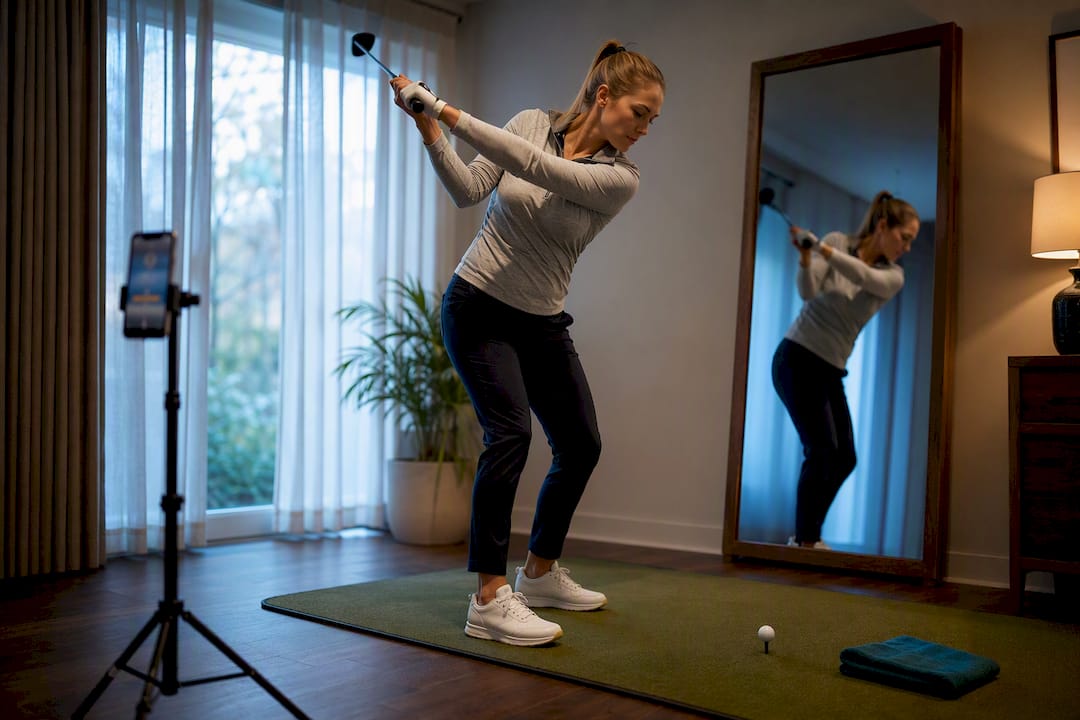
Pro Tip: Encourage your child to record their swing during practice sessions at home. Video feedback is one of the fastest ways to connect what they feel to what’s actually happening. The recording golf swing guide at Golf Blab shows you exactly how to do this effectively.

For parents who want to extend the learning beyond formal lessons, building smart practice routines for juniors makes a big difference. And if your child wants to keep improving between sessions, there are plenty of ways to practice golf at home without needing a full course.

Confidence, enjoyment, and the power of progress

Skill advances are great, but what do they really mean for your child’s love of the game? Let’s look at the confidence and fun factor.

Junior golfer smiling after practice session

Here’s something we’ve seen over and over: juniors don’t stay in golf because they’re told to. They stay because they feel good playing it. And feeling good comes directly from seeing themselves improve. That’s the loop that keeps kids engaged for years rather than months.

When a junior starts hitting more fairways, sinking more putts, or finally nailing a chip shot they’ve been working on, something clicks. It’s not just about the shot. It’s about the proof that effort leads to results. That’s a lesson that goes way beyond golf.

Research confirms that improvement makes golf more enjoyable for juniors and motivates continued participation. In other words, progress is the fuel. Lessons are the engine that creates that progress consistently.

“The best thing a lesson can do for a junior isn’t fix their swing. It’s make them want to come back tomorrow.”

Here’s what confident, motivated junior golfers tend to have in common:

  • They celebrate small wins, not just tournament results
  • They have a coach who gives clear, positive feedback
  • They practice with purpose rather than just hitting balls aimlessly
  • They feel ownership over their own improvement
  • They play in an environment where mistakes are part of learning

Pro Tip: Focus on performance consistency over perfection. A junior who can repeat a decent shot reliably will build more confidence than one chasing a perfect shot they can’t reproduce.

Lessons also provide measurable milestones. When a child can look back and see that their handicap dropped, their driving distance increased, or their short game tightened up, that’s tangible proof of growth. It keeps them motivated in a way that vague encouragement never will. Pair that with smart golf strategy tips and your junior starts thinking like a real golfer, not just swinging and hoping.

Balance and pitfalls: Avoiding burnout and pressure

While progress and confidence grow with lessons, parents should be mindful of another side: avoiding the common traps of junior sports.

This is where a lot of well-meaning parents go wrong. The excitement of seeing your child improve can quickly turn into pushing harder, scheduling more, and expecting faster results. And that’s when the joy starts to drain out of it.

Burnout in youth sports is a real and growing concern. Over-parenting and early pressure risk burnout and injury, and the research is clear that balanced development is the key to long-term success. A junior who burns out at 12 is not a success story, no matter how promising they looked at 9.

“The fastest way to kill a child’s love of golf is to make it feel like a job before they’re ready.”

Here’s what balanced junior golf development actually looks like:

  • Prioritize enjoyment over rankings and results, especially under age 12
  • Limit lesson frequency to what the child is genuinely excited about
  • Allow free play alongside structured lessons so golf stays fun
  • Watch for warning signs like reluctance to practice, anxiety before rounds, or loss of enthusiasm
  • Let the child lead when it comes to how much they want to invest

Early specialization is another trap. Kids who focus exclusively on one sport too young face higher injury rates and faster burnout. Golf is actually one of the better sports for balanced development because it rewards patience and long-term growth, but only if parents let that process unfold naturally.

If you’re weighing how to structure your child’s learning, it’s worth understanding the difference between clinics vs private lessons. Both have their place, and the right mix depends on your child’s personality, goals, and current skill level.

What most parents miss about junior golf lessons

Having walked through the evidence, the skills, and the risks, here’s the honest truth that most parents don’t hear enough: the single biggest factor in your junior’s long-term success isn’t the coach, the equipment, or even the number of lessons. It’s ownership.

When a child feels like golf is their thing, not their parent’s project, everything changes. They practice because they want to. They push through frustration because they care. They come back after a bad round because the game means something to them personally.

The parents who see the best outcomes are the ones who cheer from a distance, ask “did you have fun?” before “what did you score?”, and let their child fail safely without rushing in to fix it. Real skill sticks when kids are allowed to figure things out, make mistakes, and own their progress.

At Golf Blab, we’ve seen this play out time and again. The parent workflows for junior lessons we recommend are built around this principle. Support the process. Trust the coach. Let your junior lead.

How Golf Blab supports your junior’s journey

If you’re ready to put these insights into action and make it easy for your junior golfer to thrive, Golf Blab has the resources to help every step of the way.

https://golf-blab.com

From our detailed guide to junior lessons that walks parents through setting up an effective coaching plan, to golf club personalization options that make your child’s clubs feel truly their own, we’ve built a platform that supports the whole journey. You’ll also find performance tips, training aids, and community advice that keeps improving the experience. Want to add a personal touch to your junior’s gear? Browse our golf shaft labels and give them equipment they’re proud to carry. At Golf Blab, we believe every junior deserves the right start.

Frequently asked questions

How quickly do juniors improve with lessons?

Most juniors see measurable progress within 3 to 6 months of structured coaching, with 80% showing improvement at elite academies within a single season.

What age should my child start golf lessons?

Most coaches recommend starting with fun group lessons around ages 6 to 8, though basic coordination and grip fundamentals can begin even earlier in a low-pressure setting.

Can too many lessons lead to burnout?

Yes, over-scheduling combined with high parental pressure is a known burnout risk for young athletes, so balance and the child’s own enthusiasm should always guide the pace.

Does physical strength matter for junior golf success?

Absolutely. Research shows strength explains roughly 60% of handicap variance in junior golfers, making age-appropriate conditioning a smart part of any development plan.