Posted on

Why Recording Your Golf Swing Is Crucial for Your Game

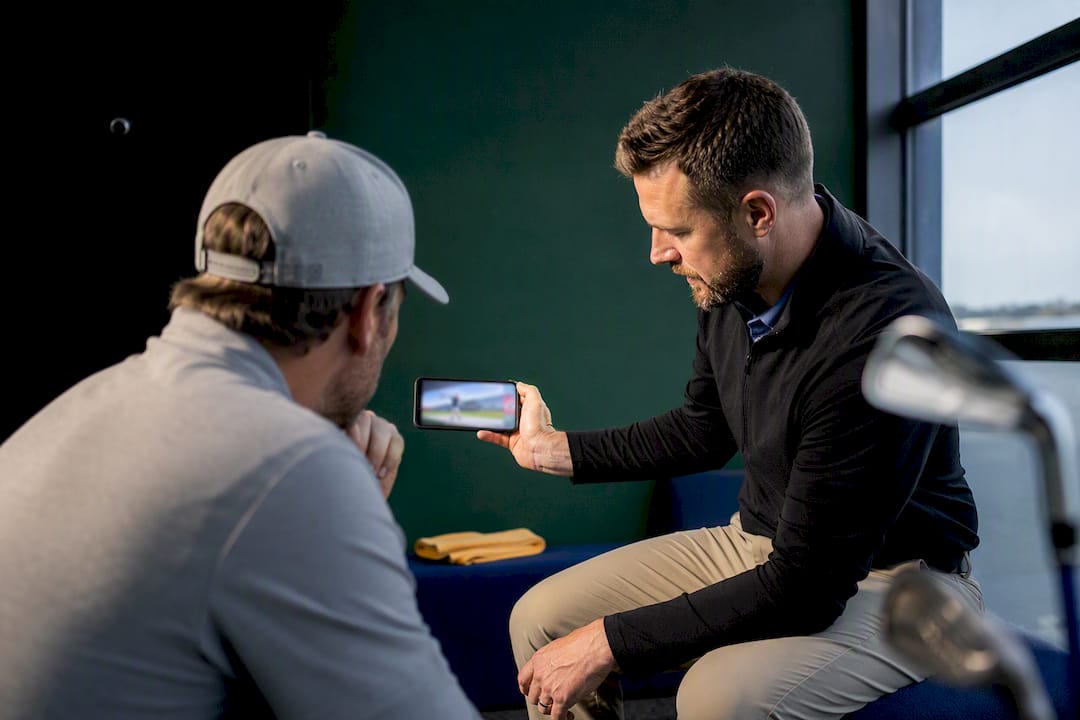
Golfer reviewing recorded swing at driving range


TL;DR:

  • Recording and reviewing your swing reveals discrepancies between how you feel and your actual mechanics.
  • Analyzing key positions like address impact and finish helps identify specific flaws for targeted improvement.
  • Consistent self-recording and applying structured feedback accelerate progress and build confidence.

Here’s something that surprises almost every golfer the first time they watch themselves on video: your swing feels nothing like it looks. You feel tall, balanced, and smooth. The video shows something else entirely. That gap between feel and real is one of the biggest obstacles standing between you and a better game, and most golfers never even know it exists. In this guide, we’ll break down why recording your swing is one of the smartest moves you can make, what to look for in your footage, how to set up your camera, and how to turn what you see into actual improvement on the course.

Table of Contents

Key Takeaways

Point Details
See the real swing Recording your swing reveals flaws and strengths you can’t detect by feel alone.
Know what to analyze Focus on key points like setup, top, impact, and finish for targeted improvement.
Simple tools work A smartphone and a tripod are enough to capture useful footage at any skill level.
Feedback drives progress Using videos with checklists or coach input helps achieve measurable results.
Make it a habit Regular recording leads to more consistent gains than occasional checks.

The power of seeing your golf swing

Let’s be honest about something. Your memory of your own swing is almost always wrong. Not slightly wrong. Significantly wrong. The human brain is wired to fill in gaps, and when you’re mid-swing, moving at a blistering rate of speed, your nervous system is focused on balance and contact, not accuracy. What you feel in your hands, hips, and shoulders rarely matches what’s actually happening.

This is where video changes everything. Visual feedback increases skill acquisition and correction effectiveness in ways that verbal instruction alone simply cannot match. When you watch yourself swing, you stop guessing. You start knowing.

Here’s what golfers routinely discover when they see their swing for the first time:

  • Their backswing is shorter than they thought, often by a significant margin
  • Their head moves laterally during the downswing, causing inconsistent contact
  • Their weight stays on the back foot through impact instead of shifting forward
  • Their club path is outside-in, producing weak pulls and frustrating slices
  • Their finish position collapses early, robbing them of power and direction

Take a typical mid-handicapper as an example. He’s been playing for years and genuinely believes his swing path is straight. He films himself for the first time and discovers his club is coming over the top on nearly every full shot. That one revelation, visible only on video, explains months of pulled iron shots and weak drives. No amount of range time without that footage would have uncovered the real issue.

Pros use video analysis for golfers constantly, reviewing slow-motion footage from multiple angles after every session. They’re not doing it because something feels wrong. They’re doing it because they know feel is unreliable. If you want to lower your golf scores, seeing the truth about your mechanics is the first real step.

“The camera never lies. Your body does. That’s why every serious golfer needs to see what they’re actually doing, not just what they think they’re doing.”

What to look for: Key elements in swing videos

Understanding what to look for makes recording your swing truly effective. Let’s break down these elements so you know exactly what to analyze.

Infographic showing golf swing analysis elements

Professional coaches follow specific checkpoints when analyzing swings, and you can use the same framework. There are four key positions every swing passes through, and each one tells a different story.

Swing checkpoint What to look for Common amateur error
Address Posture, spine angle, ball position Standing too upright or too hunched
Top of backswing Club position, shoulder turn, hip rotation Over-rotation or short backswing
Impact Hip position, head behind ball, shaft lean Flipping the hands, early extension
Finish Balance, weight transfer, follow-through Falling backward, incomplete rotation

Here’s a simple numbered checklist you can follow every time you sit down to review your footage:

  1. Check your setup first. Pause the video at address and look at your setup and stance tips before anything else. A bad setup creates bad swings.
  2. Watch the club path from the face-on angle. Is it tracking on plane or going over the top?
  3. Freeze the frame at impact. Your hands should be slightly ahead of the ball. Your hips should be open to the target.
  4. Review the finish position. Are you balanced on your front foot? Is your belt buckle facing the target?
  5. Look for patterns across multiple swings. One bad swing is noise. Three bad swings with the same flaw is a pattern worth fixing.

The difference between amateur and professional analysis comes down to specificity. Amateurs watch the ball flight and work backward. Coaches watch the checkpoints for swing analysis and work forward. That shift in perspective alone will change how you practice.

Pro Tip: Many free apps let you draw lines directly on your swing video. Use them to trace your club path and check your spine angle at address versus impact. A simple line tells you more than ten minutes of guessing.

How to record and review: Simple setups for all levels

Knowing the theory is one thing, but setting up your own recording is surprisingly simple with modern tools. You don’t need expensive equipment or a professional studio. A smartphone and a little know-how will get you most of the way there.

Smartphones with slow-motion video are widely used by top instructors, and for good reason. Modern phones shoot at 240 frames per second in slow motion, which is more than enough to see every detail of your swing. Pair that with a basic tripod or a portable phone stand, and you’re ready to go.

Backyard golfer using phone for swing review

Here are the three most useful recording angles and what each one reveals:

Camera angle Position Best for analyzing
Down-the-line Behind the golfer, aligned with the ball and target Club path, shaft plane, spine tilt
Face-on Perpendicular to the target line, level with the hands Weight shift, hip turn, head position
Rear angle Behind the golfer, facing the target Shoulder turn, follow-through, balance

Here’s a quick list of do’s and don’ts to make sure your footage is actually useful:

  • Do position the camera at hip height for face-on and down-the-line shots
  • Do film in natural light or well-lit conditions so the footage is clear
  • Do record multiple swings in a row to spot patterns
  • Don’t zoom in with your phone camera. Zoom distorts angles and makes analysis unreliable
  • Don’t film from too far away. You want the full body in frame, not just the upper half
  • Don’t rely on a single angle. Two angles give you a much fuller picture

For more structured guidance on building your skills with the right tools, the golf learning center at Golf Blab is a great place to explore additional resources.

Pro Tip: Always film in good light and avoid using your phone’s digital zoom. Natural angles give you accurate feedback. Zoom changes perspective in ways that make your swing look different than it really is.

Turning footage into feedback: Learning and improving faster

You’ve collected and reviewed your swing footage. Now let’s translate those insights into real game improvement.

Golfers who reviewed weekly swing videos reported measurable handicap improvement over time, and the process doesn’t have to be complicated. Here’s how to turn what you see into what you do on the range:

  1. Identify one flaw per session. Trying to fix everything at once is a fast path to frustration. Pick the most glaring issue and focus there.
  2. Create a specific practice drill that targets that flaw. If your weight is staying back, do slow-motion impact drills with a focus on front foot pressure.
  3. Record again after your practice session. Did the flaw improve? Stay the same? Get worse? The video tells you.
  4. Build a simple video library. Save footage from each session so you can compare month to month. Seeing your own progress is genuinely motivating.
  5. Share footage with a coach or trusted playing partner. Fresh eyes catch things you’ll miss when you’re too close to your own swing.

Side-by-side comparison is one of the most powerful tools available. Many free apps let you load two videos next to each other so you can see your swing from two weeks ago versus today. That kind of visual progress tracking keeps you honest and keeps you motivated.

“Record every session, not just the ones where something feels off. Consistency in recording is what reveals the patterns that actually matter.” — Golf instructor perspective on building a self-coaching habit

Avoid these common mistakes when self-analyzing your footage:

  • Focusing only on the bad swings. Your good swings teach you just as much.
  • Changing too many things at once based on a single video review
  • Ignoring the setup. Most swing flaws are born before the club ever moves
  • Quitting after one session. Improvement with video review is cumulative, not instant

If you want a structured path forward, the swing like a pro lessons at Golf Blab give you a framework to apply what you’re seeing in your videos. And if you want to master every type of golf shot, understanding your swing mechanics through footage is the foundation everything else builds on.

A fresh perspective: The hidden value in recording every swing

Here’s something most golfers get backwards. They pull out the camera when something feels wrong, record a few swings, find the problem, fix it, and then put the camera away. That’s treating video like a fire extinguisher instead of a smoke detector.

The golfers who improve the fastest are the ones who record consistently, even when things feel great. Why? Because your best swings reveal patterns just as clearly as your worst ones. When you watch yourself hitting it well, you start to understand what right actually looks like for your body, your tempo, and your natural tendencies.

There’s also a confidence angle that nobody talks about. Watching yourself make a clean, powerful swing is genuinely motivating. It builds a mental image of what you’re capable of, and that image matters on the course when the pressure is on.

Visit the golf learning tips section at Golf Blab to build a consistent review habit alongside structured instruction. Over time, you develop a kind of pattern recognition that makes you your own best coach. That’s a skill worth far more than any single swing fix.

Ready to take your golf improvement to the next level?

Recording your swing is the starting point. What you do with that footage determines how fast you improve.

https://golf-blab.com

At Golf Blab, we’ve built a full ecosystem to help you go from footage to real results. The Swing Like a Pro program gives you a structured challenge to apply everything you’ve learned about swing analysis in a guided, motivating format. While you’re building your game, don’t overlook the details that set serious golfers apart. Our golf shaft labels keep your equipment organized and looking sharp. And for ongoing lessons, drills, and strategy content, the golf learning resources hub has everything you need to keep moving forward.

Frequently asked questions

What are the best camera angles for recording my golf swing?

The best angles are down-the-line, face-on, and rear. Each reveals different mechanics, and camera angle is critical for getting useful feedback from your swing analysis.

How often should I record my golf swing?

Record every practice session if you can, or at minimum every few weeks. Consistent recording leads to measurable progress by helping you spot trends before they become habits.

Do professional golfers use video analysis regularly?

Absolutely. Virtually every tour-level player and top instructor relies on frequent video review. Tour pros depend on slow-motion footage for ongoing technical refinement, not just when something goes wrong.

Can I improve on my own just by recording my swing?

Yes, self-recording combined with a structured checklist can lead to real improvement. Amateurs can improve through self-review, especially when they know what checkpoints to look for and track changes over time.

Posted on

Golf clinics vs private lessons: which improves faster?

Golf instructor leads small group clinic outdoors


TL;DR:

  • Clinics are group sessions with lower cost and social learning benefits.
  • Private lessons provide personalized feedback, focusing on specific player needs.
  • Combining both formats strategically yields optimal golf game improvement.

Many golfers spend real money on instruction and still walk off the course wondering why nothing changed. You signed up, you showed up, you swung the club. So what went wrong? The honest answer is that not all lessons are built the same, and choosing the wrong format can slow your progress more than skipping lessons altogether. Whether you’re a weekend warrior trying to break 90 or a serious player chasing a single-digit handicap, the choice between a group clinic and a private lesson matters more than most people realize. This article breaks down both options clearly so you can stop guessing and start improving.

Table of Contents

Key Takeaways

Point Details
Format differences Clinics teach in groups while private lessons focus on one-on-one coaching tailored to your needs.
Cost and customization Clinics cost less per session, but private lessons provide personalized feedback and faster improvement.
Choosing what’s best Select the option that matches your learning style, goals, and motivation for better golf results.
Mixing formats Combining group clinics and private lessons can help maximize skill development.

What are golf clinics and private lessons?

Before you spend another dollar on instruction, you need to understand what you’re actually buying. These two formats look similar on the surface but deliver very different experiences.

A golf clinic is a group instructional session where one instructor teaches multiple players at the same time. Clinics typically run one to two hours and cover a specific topic like putting, chipping, or full swing basics. The instructor moves around the group, offering brief feedback to each player in turn.

A private lesson, on the other hand, is one-on-one coaching tailored entirely to your specific needs. The instructor watches only you, diagnoses your individual swing issues, and builds a plan around your goals. Sessions usually run 30 to 60 minutes and can feel intense because every minute is focused on your game.

Here’s a quick look at how each format typically operates:

  • Golf clinics: 4 to 12 players per session, shared instructor time, lower cost per person, topic-based curriculum
  • Private lessons: 1 player, full instructor attention, higher cost, personalized feedback and drills
  • Session length: Clinics often run longer but feel less focused; private lessons are shorter and more concentrated
  • Instructor focus: In clinics, feedback is brief and shared; in private lessons, the instructor is locked in on your specific patterns

If you’re curious about structured, results-driven coaching, check out these money-back guaranteed lessons that take the risk out of trying something new.

Both formats have legitimate value. The question is which one fits where you are right now in your golf journey.

Key differences between golf clinics and private lessons

Now that you know what each option is, let’s examine the practical differences that matter for your improvement.

Infographic comparing clinics and private lessons

The most obvious difference is cost. Clinics offer a lower cost per person and foster social learning, making them attractive for budget-conscious golfers. Private lessons cost more per session but deliver focused attention that clinics simply cannot match.

Here’s a side-by-side comparison:

Factor Golf clinic Private lesson
Group size 4 to 12 players 1 player
Cost per session $20 to $60 $60 to $150+
Instructor attention Shared, brief Full, continuous
Customization Low High
Social interaction High Low
Feedback speed Delayed Immediate
Best for Beginners, social learners Targeted improvement

One thing that surprises a lot of golfers is how much the feedback loop matters. In a private lesson, your instructor catches a flaw in your grip and corrects it on the spot. In a clinic, that same flaw might go unnoticed for the entire session because the instructor is managing eight other players.

That said, clinics offer something private lessons often lack: peer energy. Watching other golfers attempt the same drill, laughing through mistakes, and celebrating small wins together creates a motivating environment that some people genuinely need to stay engaged.

Key differences worth remembering:

  • Private lessons deliver faster, more precise feedback
  • Clinics build confidence through shared experience
  • Scheduling is often more flexible with clinics since they run more frequently
  • For a deeper look at structured improvement challenges, the Swing Like a Pro lesson challenge is worth exploring

For the full breakdown from a trusted source, the full comparison article on Golf Digest is a solid read.

Pros and cons of group clinics for golfers

Let’s dive into the specific advantages and limitations of joining a clinic.

Clinics get a bad reputation in some circles, and honestly, that frustration is understandable. If you’ve ever stood in a line of eight golfers waiting for 30 seconds of feedback, you know the feeling. But dismissing clinics entirely misses what they actually do well.

Pros of golf clinics:

  • Lower cost makes regular attendance realistic for most budgets
  • Social environment reduces anxiety, especially for newer players
  • Exposure to different skill levels can spark new ideas and awareness
  • Topic-based structure keeps sessions organized and easy to follow
  • Fun atmosphere encourages consistency and return attendance

Cons of golf clinics:

  • Individual needs may be overlooked when group dynamics take priority
  • Instructors cannot always address every player’s unique swing flaw
  • Progress can feel slow if your issues require personalized correction
  • Peer pressure or comparison can sometimes discourage less confident players

The USGA points out that while group dynamics can help motivation, individual needs often take a back seat in a clinic setting. That’s not a knock on clinics. It’s just the reality of the format.

The good news is that clinics work really well when your goal is building general awareness, getting comfortable on the range, or simply enjoying the social side of golf. If you’re brand new to the game and just want to understand the basics without feeling put on the spot, a clinic is a smart, low-pressure starting point.

Pro Tip: To get the most out of a clinic, arrive early and position yourself near the instructor. Ask one specific question at the start and follow up at the end. You’ll get more personalized attention without disrupting the group flow.

For more structured learning options, the golf learning center at Golf Blab has resources that complement both clinic and private lesson formats.

When private lessons are best: One-on-one instruction benefits

With clinics explained, let’s see where one-on-one coaching truly shines.

Private lessons are not just for elite players. In fact, they may matter most for golfers who are stuck. If you’ve been playing for a year and your scores haven’t moved, or if you keep repeating the same mistake despite knowing it’s wrong, one-on-one instruction is where real change happens.

Coach observes private golf lesson at range

One-on-one lessons accelerate improvement for committed golfers because the instructor can diagnose the root cause of a problem, not just the symptom. That’s a critical distinction.

Here are the scenarios where private lessons deliver the most value:

  1. You’re a true beginner who needs a foundation built correctly from day one
  2. You have a specific, persistent flaw like an over-the-top swing path or a weak grip that keeps resurfacing
  3. You’re preparing for competition and need targeted, time-sensitive improvement
  4. You’ve plateaued and group settings haven’t moved the needle
  5. You prefer direct, honest feedback without the social dynamics of a group

“The fastest way to improve is to get someone who knows what they’re looking at to watch you and tell you the truth.” That’s the core value of private instruction.

Pro Tip: Record every private lesson on your phone. Watching the footage later reinforces what the instructor said and helps you notice patterns you missed in the moment.

If you want to unlock your potential and are serious about real improvement, private lessons paired with consistent practice are the most reliable path. For a truly memorable experience, the play golf with a tour pro experience takes one-on-one learning to a completely different level.

How to choose: Which instructional method suits your golf goals?

Ready to decide? Here’s how to match your needs to the right lesson type.

The right choice depends on your learning style, goals, and budget. There is no universal answer, but there is a right answer for you specifically. Use this checklist to figure out where you stand.

Ask yourself these questions:

  • Do I learn better watching others or getting direct feedback on my own movement?
  • Is my primary goal to have fun and meet people, or to lower my scores as fast as possible?
  • Can I afford regular private lessons, or does my budget favor a group setting?
  • Am I a beginner building basics, or an experienced player fixing specific problems?
  • Do I practice consistently between lessons, or do I need the social pressure of a group to stay accountable?

Here’s a practical summary to guide your decision:

Situation Best choice Why
Brand new to golf Clinic or private Clinics for comfort, private for speed
Fixing a specific flaw Private lesson Targeted, immediate feedback
Tight budget Clinic Lower cost per session
Want social motivation Clinic Group energy and peer learning
Preparing for competition Private lesson Focused, personalized preparation
Plateaued, no progress Private lesson Root-cause diagnosis

One underrated move is trialing both formats before committing to either. Take a clinic for a month, then book two private lessons and compare how your game responds. The data from your own experience will tell you more than any article can.

For golfers also thinking about their equipment alongside their instruction, the guide to choosing golf clubs is a helpful companion resource. Good instruction paired with the right gear makes a real difference.

For an in-depth breakdown from a trusted source, Golfweek’s lesson decision guide walks through additional scenarios worth reading.

Our take: What most golfers overlook when choosing instruction

Here’s what most guides don’t tell you. The majority of golfers pick a lesson format based on price or convenience, and then wonder why their game isn’t moving. That’s the wrong starting point entirely.

The real question is how you learn. Some golfers absorb information by watching others make mistakes. Others need direct, immediate correction to internalize a change. Neither approach is wrong, but putting yourself in the wrong environment is a guaranteed way to waste time and money.

At Golf Blab, we’ve seen it repeatedly. A golfer spends months in clinics, makes minimal progress, switches to private lessons, and improves noticeably within weeks. The reverse is also true. Some players freeze under the spotlight of one-on-one instruction and flourish in a group setting.

The biggest gains often come from combining both formats strategically. Use clinics to stay sharp, stay motivated, and enjoy the game. Use private lessons to fix what’s actually broken. And above all, be honest with yourself about what you need. Pair that self-awareness with solid golf strategy tips and consistent practice, and your improvement will speak for itself.

Take the next step to improve your golf game

You now have a clear picture of what separates a clinic from a private lesson and how to choose what fits your game. Knowledge is only useful when you act on it.

https://golf-blab.com

At Golf Blab, we’ve built a platform around helping golfers like you actually improve, not just read about improvement. Explore our lesson resources, gear up with personalized golf shaft labels that keep your clubs organized, and browse our full golf gear shop for everything you need on the course. If you’re ready for a truly transformative experience, the play golf with a tour pro opportunity puts you alongside a professional who can show you what elite instruction actually feels like. The right learning environment makes all the difference.

Frequently asked questions

Is it better to start with golf clinics or private lessons as a beginner?

Beginners often benefit from clinics for the social, low-pressure environment, but private lessons deliver faster, more personalized improvement if your budget allows for it. As Golfweek notes, both options benefit beginners depending on individual needs.

Are clinics or private lessons more cost-effective for long-term improvement?

Clinics typically cost less per session, but private lessons often produce greater measurable progress over time for golfers who practice consistently. Golf Digest confirms that while clinics cost less per participant, outcomes vary significantly.

Can I combine clinics and private lessons for faster results?

Absolutely. Combining both formats lets you receive targeted, personalized feedback while using the group environment for extra repetition and motivation. The PGA recognizes that mixing lesson formats can accelerate overall improvement.

How long does it typically take to see improvement with each format?

Improvement depends heavily on practice frequency and quality, but one-on-one instruction generally delivers faster, more noticeable results than group settings. Golf Magazine’s analysis confirms that private lessons offer faster progress for many committed golfers.

Posted on

Master every type of golf shot: essential guide for 2026

Golfer preparing tee shot on fairway


TL;DR:

  • Mastering the eight core shot types improves consistency and lowers scores.
  • Effective shot selection depends on lie, distance, hazards, and wind conditions.
  • Practicing advanced shots and avoiding common mistakes can significantly enhance performance.

Choosing the right shot at the right moment is what separates a golfer who breaks 90 from one who keeps grinding at 100. It is not always about swinging harder or buying better clubs. PGA pros average around 295 yards on their drives, yet their real scoring edge comes from knowing exactly which shot to play in every situation. This guide breaks down the core types of golf shots, how to pick the right one, how they compare, and how to practice the advanced ones that most golfers ignore. If you want lower scores, this is where it starts.

Table of Contents

Key Takeaways

Point Details
Know essential shots Understanding each shot type empowers better choices on the course.
Adapt to conditions Matching your shot to the situation lowers your scores.
Use comparisons Comparing shots reveals which to use for safety, distance, or control.
Practice advanced techniques Adding specialty shots to your game gives you a competitive edge.
Avoid common mistakes Learning frequent errors helps you play with confidence and consistency.

Core types of golf shots explained

Every shot in golf has a job. The problem is that most golfers learn one or two and try to force them into every situation. That is like owning a toolbox with only a hammer. Expert consensus on shot mechanics confirms there are eight core shot types every golfer should understand.

Here is a quick breakdown:

  • Drive: Your longest shot, typically hit from the tee with a driver. It sets up the hole.
  • Approach shot: Played from the fairway or rough toward the green. Accuracy matters more than distance here.
  • Chip: A low, running shot played close to the green. Minimal air time, maximum ground roll.
  • Pitch: A higher, softer shot that lands and stops quickly. Used from 20 to 80 yards out.
  • Lob: The highest, softest shot in the game. Great for clearing obstacles near the green.
  • Bunker shot: Played from sand traps. Requires an open face and a specific swing path to get the ball out cleanly.
  • Punch shot: A low, controlled shot used to escape trouble or fight the wind.
  • Putt: The most used shot in any round. Played on the green to roll the ball into the hole.

Each of these shots demands a slightly different setup. Mastering your golf stance before you even think about swing mechanics will make learning each shot type much faster and more consistent.

Pro Tip: Adjust your grip pressure and ball position for each shot type. A chip calls for a firm, controlled grip and ball positioned back in your stance. A lob needs a loose grip and ball forward. Small tweaks make a big difference.

How to select the right shot for every situation

With the main types of shots covered, knowing when to use each becomes essential. Here is how you can select smartly on the course.

Shot selection is not guesswork. Pro shot choices are guided by lie and course management above all else. You should be doing the same thing. Before you pull a club, run through this process:

  1. Assess your lie. Is the ball sitting clean on the fairway, buried in rough, or plugged in sand? Your lie narrows your options immediately.
  2. Check the distance. How far are you from the target? This tells you which clubs are even in play.
  3. Identify hazards. Water, bunkers, trees, and out-of-bounds all affect which shot shape and trajectory you need.
  4. Read the wind. A headwind calls for a punch or a lower ball flight. A tailwind gives you extra carry, so plan accordingly.
  5. Be honest about your skill. A flop shot over a bunker is not the smart play if you have never practiced it. Take the safer route and protect your score.

“The best shot is not always the most aggressive one. It is the one that gives you the best chance of making your next shot easy.” This is the risk-reward mindset that separates smart golfers from stubborn ones.

For a deeper look at building this decision-making habit into your rounds, check out golf strategy for lower scores and pair it with a solid understanding of choosing golf clubs for each scenario.

Comparison of golf shots: risks, benefits, and best uses

Once you know how to select a shot, it is useful to compare their relative strengths and limitations.

Here is a side-by-side look at the core shots:

Shot Distance Risk level Control Best use
Drive High High Low Tee shots on par 4s and 5s
Approach Medium Medium Medium Fairway to green
Chip Low Low High Just off the green
Pitch Low-Medium Medium High 20 to 80 yards out
Lob Low High Low Over obstacles near green
Bunker Low High Medium Sand traps
Punch Low-Medium Low High Wind or trouble escape
Putt Very low Low High On the green

The biggest risks to watch for:

  • Topped drive: Happens when you try to lift the ball instead of swinging through it.
  • Duffed chip: Caused by a scooping motion instead of a downward strike.
  • Thin pitch: Result of early extension or lifting your head before contact.
  • Bladed bunker shot: Happens when the club catches the ball instead of the sand beneath it.

Here is something that surprises most golfers. PGA pros rely on finesse for scoring shots far more than raw distance. The average amateur loses more shots around the green than off the tee. Improving your chip and pitch game will drop your score faster than adding 20 yards to your drive. Understanding golf rules basics also helps you avoid penalty strokes that quietly inflate your scorecard.

Advanced shots and how to practice them

Beyond the basics, mastering advanced shots can open up new scoring opportunities. Here is how to approach them.

Woman golfer practices bunker shot in sand

Advanced shot proficiency gives you a real competitive edge at every skill level. These are the shots that make your game adaptable instead of predictable.

Shot Difficulty Practice drill
Fade Medium Aim left, open clubface slightly, swing along your feet line
Draw Medium Aim right, close stance slightly, swing from inside out
Flop Hard Practice on a mat with a lob wedge, focus on open face and soft hands
Punch Easy-Medium Ball back in stance, hands forward, abbreviated follow-through
Stinger Hard Low tee, ball back, de-loft the club, hold the finish low

Tips for adding these shots to your practice routine:

  • Start on the range, not the course. Never try a new shot for the first time under pressure.
  • Use alignment sticks to train your swing path for fades and draws.
  • Practice the flop from different lies, not just perfect grass.
  • Film your punch shot to make sure your follow-through stays low and controlled.
  • Set a goal: spend 15 minutes per session on one advanced shot before moving on.

Pro Tip: Focus on one advanced shot at a time. Trying to learn a fade, draw, and flop in the same week is a recipe for confusion. Pick one, own it, then move to the next. If you want structured guidance, golf lessons for improvement can accelerate that process significantly.

Common mistakes and how to avoid them

Knowing the pitfalls is key. Let us wrap up with the mistakes to avoid so you get the most from every shot.

Even experienced golfers slip up with rushed decisions or poor fundamentals. The good news is that most mistakes are fixable with awareness and a simple correction plan.

  1. Wrong club selection. Fix: Always check distance, lie, and wind before pulling a club. When in doubt, take one more club and swing easier.
  2. Poor alignment. Fix: Use a spot on the ground two feet in front of your ball as an intermediate target. Align to that, not the distant flag.
  3. Overcomplicating the shot. Fix: Play the shot you know, not the one you wish you could hit. Simplicity saves strokes.
  4. Mental errors under pressure. Fix: Develop a pre-shot routine and stick to it on every single shot, regardless of the situation.
  5. Skipping the post-round review. Fix: After each round, note two or three shots that cost you strokes and make them your practice focus for the week.

“Pressure does not create bad shots. It reveals the habits you have already built. Build better habits on the range, and the course takes care of itself.”

For more on building better habits and smarter decisions on the course, lower your scores fast with a strategy-first approach to every round.

A coach’s take: Why mastering shot types is the real shortcut to better scores

Having covered mistakes and how to avoid them, let us take a step back and consider a bigger-picture coaching insight.

Here is the naked truth. Most golfers spend 80 percent of their practice time on the range hitting full shots, and then wonder why their scores do not drop. Power is fun. Versatility wins.

The golfers who improve fastest are not the ones who hit it farthest. They are the ones who know exactly what shot to play from any situation and have practiced enough to execute it under pressure. That is a skill set, not a gift.

Course management is the other half of this equation. You can master the basics and still leave shots on the table if you are not thinking two shots ahead. The best rounds we have seen come from golfers who treat every hole like a puzzle, not a power contest.

Challenge yourself after your next round. Pick two shots that did not go as planned and ask why. Was it the wrong shot type? Poor execution? A mental lapse? That kind of honest reflection is worth more than a bucket of range balls.

Take your golf game further with Golf Blab

Inspired by the perspective above, turn your insights into action with the right guidance and tools.

Understanding shot types is a strong foundation. But knowing and doing are two very different things. At Golf Blab, we bridge that gap with real coaching, practical tools, and a community that takes improvement seriously.

https://golf-blab.com

Whether you are ready to invest in personalized golf lessons with a money-back guarantee or you want to gear up with the right equipment from our golf equipment shop, we have what you need to put today’s knowledge into practice. Stop guessing on the course. Start playing with a plan.

Frequently asked questions

What are the main types of golf shots every golfer should know?

Every golfer should master the drive, approach, chip, pitch, bunker, and putt for a well-rounded game. Core shot types are widely agreed upon by instructors and coaches across all skill levels.

How do I decide which golf shot to use during a round?

Choose your shot by assessing distance, lie, obstacles, wind, and your own skill level for each situation. Pro shot selection is always guided by lie and conditions first, not ego.

What is the difference between a chip and a pitch shot?

A chip stays low and runs out toward the hole, while a pitch flies higher and lands softer with much less roll. The choice depends on how much green you have to work with between your ball and the pin.

Which golf shot is hardest for amateurs to master?

Many amateurs struggle most with bunker shots and the flop shot due to their specific mechanics and the feel required. Advanced specialty shots take deliberate, focused practice to develop real consistency.