Posted on

Why Take Putting Lessons to Lower Your Score

Golf coach demonstrating putting lesson outside


TL;DR:

  • Putting accounts for nearly half of golf strokes and is often the most neglected skill to improve.
  • Structured lessons enhance mechanics, consistency, mental focus, and green reading, leading to faster score reductions.

Most golfers spend a fortune on new drivers and spend hours at the driving range beating balls. Then they wonder why their scores barely move. Here’s the naked truth: if you want to drop strokes fast, you need to look at your putting. Putting accounts for roughly 50% of strokes in a standard round, and yet it is the most neglected part of most golfers’ practice routines. Why take putting lessons? Because that is where your scorecard lives.

Table of Contents

Key takeaways

Point Details
Putting is half your game Nearly 50% of your strokes per round happen on the green, making it the highest-leverage skill to improve.
Lessons produce measurable results Dropping from 40 to 32 putts per round can shave 8 strokes off your score without changing your full swing at all.
Mechanics and mindset both matter Good putting lessons address stroke mechanics, alignment, and the mental approach to committing under pressure.
Beginners and intermediates both benefit Structured lessons shorten the learning curve whether you are brand new or stuck at the same handicap for years.
Focused practice beats random repetition Short, targeted sessions built around one or two skills at a time produce faster, longer-lasting improvement.

Why putting matters more than you think

Let’s talk numbers for a second. Most recreational golfers carry somewhere between 34 and 40 putts per round. Tour professionals average closer to 28. That gap tells you almost everything you need to know about where amateur scores bleed away.

Consider this: improving from 40 to 32 putts per round translates directly to 8 fewer strokes on your scorecard. No swing overhaul. No new irons. Just better putting. That is not a small gain. For most amateur golfers, that kind of improvement could take them from a 90-shooter to an 82-shooter with nothing else changing.

Infographic highlighting putting stats and benefits

Putts per round Approximate score impact What that looks like
40 putts Baseline (typical amateur) 3-putts on at least 4 holes per round
36 putts 4-stroke reduction Occasional 3-putts, fewer short misses
32 putts 8-stroke reduction Consistent 2-putt habit, more single putts
28 putts Tour-level putting Most greens in two putts or fewer

The short game, including putting, is the fastest path to lower scores. The short game strategies that the best players rely on all start with confidence on the green. When you cannot trust your putter, that anxiety bleeds into every other part of your round.

Core benefits of putting lessons

Here is where a lot of golfers miss the point. They assume putting lessons are only for beginners or for Tour pros who need technical fine-tuning. Wrong on both counts. The benefits of putting lessons apply across every skill level, and they go deeper than just fixing your stroke.

Let’s break down what you actually get:

  • Better stroke mechanics. A qualified instructor spots the subtle flaws you cannot see yourself. Whether it is your setup, your eye position over the ball, or how your hands release through impact, small corrections in mechanics produce huge shifts in results.
  • Consistency you can count on. Muscle memory built through repetition during structured lessons becomes automatic. You stop thinking on the green and start trusting your stroke.
  • Real confidence under pressure. Golfers who take putting lessons report better course confidence and far less frustration. That confidence does not just help your putting. It calms your entire game.
  • A pre-putt routine you actually own. Most amateur golfers have no routine. They walk up, eyeball it, and pull the trigger. Lessons teach you to develop a repeatable, personal routine that removes hesitation from the equation.
  • Green reading skills. Reading slope, grain, and speed is a learnable skill, not a gift. Lessons teach you how to look at a putt and make a genuine, informed read rather than a guess.

For putting lessons for beginners, the gains are even more dramatic. Without ingrained bad habits, new golfers can build correct mechanics from the ground up. And for intermediate players who have plateaued? A fresh set of eyes from a qualified coach can unlock what has been holding them back for years.

Pro Tip: Ask your instructor to video your stroke from behind and directly above. Seeing your own stroke from two angles in the same session reveals alignment and path issues that feel completely invisible from your normal perspective.

Beginner golfer practicing putting drill outdoors

Common putting mistakes that lessons fix

The putting mistakes most golfers make are not complicated. They are predictable, they are correctable, and they keep showing up because nobody ever took the time to address them properly. That is exactly what makes lessons worth every dollar.

Here are the biggest culprits:

  • Misalignment. Most golfers think they are aimed at the hole. Most are not. Misalignment and inconsistent strokes cause the majority of missed putts, and an instructor can diagnose this within minutes using alignment rods or video feedback.
  • No pace control. You can read a putt perfectly and still three-putt if your pace is off. Pace control is a trained skill, and lessons give you specific drills to develop a feel for distance that transfers to any green you play.
  • Too much grip pressure. Tight hands kill the feel in your stroke. Many golfers grip the putter like they are trying to strangle it. Lessons teach you to build reliable grip habits with the right pressure and stroke cadence that replicate consistently every time.
  • No pre-putt routine. Without a consistent routine, every putt becomes its own experiment. That unpredictability adds up fast over 18 holes.
  • Poor green reading habits. Most golfers read greens too quickly, from one angle only, and without accounting for the last few feet of the putt where slope matters most.

What makes lessons genuinely effective is not just identifying these problems. It is the combination of targeted drills, real-time feedback, and guided repetition that actually rewires your habits. You can read about misalignment all day and still go out and do it wrong. An instructor watching you putt for 30 minutes gets to the root of it in ways a video or article simply cannot.

Pro Tip: Between lessons, practice the gate drill: place two tees just wider than your putter head about six inches in front of the ball. Roll ten putts through without touching either tee. This single drill exposes path problems faster than almost anything else.

The mental side of putting lessons

Here is something the average instruction article glosses over: putting is as much a mental skill as a physical one. Maybe more so. And the mental approach to putting is something lessons actively train, not just an afterthought.

Most golfers think about results when they stand over a putt. Did it go in? That result focus is exactly what causes tension, hesitation, and inconsistency. Good instructors teach you a different framework entirely.

  1. Commit to your read. Lessons train you to make a clear decision about line and pace before you step into your stance. Second-guessing at address is a habit you can break with the right mental drills.
  2. Focus on process, not outcome. Mental skills training during lessons teaches you to reduce anxiety and stay focused on what you can control. Your stroke. Your routine. Your commitment. Not whether the ball drops.
  3. Use visualization before you putt. Instructors often teach golfers to see the ball rolling along their intended line before they even set up. This is not abstract thinking. It is a repeatable technique that activates the right brain patterns for executing a committed stroke.
  4. Develop composure under pressure. Playing a casual round is one thing. Standing over a six-footer when the match is on the line is another. Lessons create practice pressure so that you have already experienced that discomfort in a controlled environment.
  5. Build a mental reset routine. When you miss a putt, what you do in the next 30 seconds matters. A good instructor teaches you how to process a miss and move on without carrying it into the next hole.

The mental game benefits of putting lessons transfer well beyond the green. When you know your routine is solid and your mechanics are sound, the mental noise quiets down across your entire round.

What to actually expect from a putting lesson

A lot of golfers avoid taking lessons because they do not know what to expect, and the unknown is uncomfortable. So let us clear that up directly.

A typical putting lesson runs between 30 and 60 minutes. Good instructors do not try to fix everything at once. Focused instruction on one key skill per session improves retention dramatically compared to trying to overhaul everything in a single hour. Think of it as a mini lesson concept where each session builds on the last.

Lesson element What happens Why it matters
Stroke assessment Instructor watches you putt and identifies key patterns Creates a personalized starting point, not a cookie-cutter fix
Mechanical drills Targeted exercises for your specific flaws Builds correct habits faster than generic practice
Video feedback Reviewing footage of your stroke in real time Closes the gap between what you feel and what you actually do
Green reading practice Guided practice reading slopes and pace Turns a guessing game into a trainable skill
Practice plan A specific at-home routine to reinforce the lesson Prevents skills from evaporating between sessions

After your lesson, your job is to practice the specific drills your instructor gave you. Not random putting on the practice green. Not just hitting 50 balls and calling it done. The key questions every golfer should ask before and after a putting lesson help you stay on track and make each session count.

My take on why putting lessons changed everything

I have watched so many golfers dump money into new equipment, new swing coaches, and new gadgets looking for the magic fix. And I get it. The full swing is exciting. The driver is glamorous. Putting feels unglamorous by comparison.

But here is what I have learned. The two or three feet between a ball and the hole is where confidence either lives or dies. When I finally committed to proper putting instruction, something shifted fast. Not just in my stroke, but in how I approached every hole. Knowing I had a dependable stroke took a specific kind of pressure off my approach shots, my chips, everything.

The misconception I hear most is that putting is just feel and that you either have it or you do not. That is not true. Feel is trainable. The advantages of golf lessons extend beyond mechanics into building the kind of automatic, repeatable process that holds up when the round matters.

My honest advice: pick one instructor, commit to three sessions, and do the drills between each one. Do not judge the results after one lesson. Give it time to stick. And do not wait until you are “good enough” to take lessons. Lessons are precisely what gets you there.

— Michael

Take your putting game further with Golf-blab

Putting lessons put you on the right track. Gear that matches your seriousness keeps you there.

https://golf-blab.com

At Golf-blab, we have built a resource hub for golfers who are done accepting mediocre rounds. Whether you are just starting to work on your green game or you are an intermediate player breaking down your stroke piece by piece, we have the content and tools to support your progress. Explore our golf lesson preparation guide to walk into your next putting session ready to get the most out of every minute. And if you want your equipment to reflect the level you are playing at, check out our club personalization options to make your gear feel as sharp as your short game. Everything you need to get serious is right here at Golf-blab.

FAQ

Why take putting lessons instead of just practicing alone?

Practicing alone reinforces your existing habits, including the bad ones. Putting lessons give you real-time feedback from a qualified instructor who can see what you cannot feel, correcting flaws before they become permanent.

How many strokes can putting lessons save?

Improving from 40 putts per round to 32 can save 8 strokes per round without any changes to the rest of your game. That is one of the fastest score reductions available to any amateur golfer.

Are putting lessons worth it for beginners?

Putting lessons for beginners are especially effective because new golfers can learn correct mechanics from the start. Early structured instruction shortens the learning curve and builds a foundation that pays off across an entire golf career.

What do putting lessons typically focus on?

Most lessons address alignment, stroke mechanics, grip pressure, pace control, green reading, and pre-putt routine. Instructors typically focus on one or two elements per session to improve retention and make skills stick faster.

How do putting lessons help with confidence on the course?

Golfers who complete putting lessons report greater confidence and less frustration on the green. A trusted stroke and a solid pre-putt routine remove hesitation, which is what turns pressure situations into makeable putts instead of missed opportunities.

Posted on

Rol de los embajadores de golf: guía 2026

Un golfista y un ejecutivo analizan juntos los resultados de patrocinio.

Mucha gente cree que un embajador de golf es simplemente un ex jugador famoso que aparece en fotos de cortesía. Eso está muy lejos de la realidad. El rol de los embajadores de golf es uno de los motores más poderosos, y menos comprendidos, del crecimiento del deporte a nivel global. Estos profesionales conectan marcas, destinos turísticos, comunidades de jugadores y patrocinadores de una forma que ninguna campaña publicitaria convencional puede replicar. En este artículo vas a entender exactamente qué hacen, por qué importan y cómo su trabajo transforma el golf desde adentro.

Tabla de contenidos

Puntos clave

Punto Detalles
Más que imagen pública Los embajadores cumplen funciones comerciales, sociales y diplomáticas que el público general rara vez ve.
Historia con raíces profundas Arnold Palmer definió el modelo moderno y su legado sigue marcando cómo se seleccionan los embajadores hoy.
Impacto directo en turismo Figuras como Greg Norman y Miguel Ángel Jiménez generan flujos reales de viajeros premium hacia destinos específicos.
Alineación de valores es clave El éxito de un embajador depende de que su personalidad encaje con los valores de la marca o destino, no solo con su palmarés.
Contratos con cláusulas éticas Los acuerdos incluyen obligaciones de integridad que protegen tanto al jugador como a la marca de controversias reputacionales.

De Palmer a hoy: evolución del rol

El concepto de embajador en golf no nació en una sala de marketing. Nació en el campo, con jugadores que tenían algo más que buen swing: tenían carisma, convicción y ganas de dejar huella.

Arnold Palmer es el ejemplo fundacional. No se limitó a ganar majors. Con sus 7 majors y 62 victorias PGA, Palmer construyó un puente entre el golf de élite y el público masivo. Participó en exhibiciones, obras benéficas y campañas que acercaron el deporte a personas que nunca habían pisado un campo. Eso es exactamente lo que define al embajador moderno.

“Palmer no vendía golf. Vendía la idea de que el golf era para todos. Y esa idea cambió el deporte para siempre.”

Lo que Palmer hizo instintivamente, hoy se articula en contratos detallados con métricas de rendimiento. El rol evolucionó de la informalidad del carisma personal hacia una función estructurada con objetivos comerciales, compromisos sociales y presencia digital. La autenticidad sigue siendo el núcleo, pero ahora se gestiona de manera profesional.

Y eso es lo que muchos aficionados no ven: la conexión emocional con la comunidad sigue siendo más determinante para el éxito del embajador que cualquier estadística deportiva.

Organigrama de funciones del embajador de golf

Funciones actuales del embajador de golf

Aquí es donde muchos se sorprenden. Las funciones de embajadores de golf en 2026 son amplias, concretas y exigentes. No se trata de aparecer en un torneo y sonreír para las cámaras.

Las responsabilidades de embajadores en golf incluyen:

  • Promoción de destinos turísticos: Greg Norman lleva años como embajador de Vietnam hasta 2030, atrayendo viajeros de alto poder adquisitivo y posicionando el país como destino golfístico premium internacional.
  • Participación en clínicas y eventos: Los embajadores conducen sesiones educativas para jugadores de todos los niveles, transmitiendo los valores del deporte desde el conocimiento directo.
  • Estrategia con patrocinadores: Actúan como cara visible de marcas de equipamiento, ropa, automóviles y turismo, y participan en eventos B2B que el público general nunca presencia.
  • Responsabilidad social: Figuras como José María Olazábal dedican parte de su rol al fomento del acceso inclusivo al golf para nuevas generaciones.
  • Presencia en redes sociales: Contenido auténtico que conecta con comunidades golfísticas segmentadas, desde aficionados hasta operadores profesionales.

Miguel Ángel Jiménez, por ejemplo, no solo aparece en eventos de la Costa del Sol. Participa en reuniones con inversores, clínicas exclusivas y campañas digitales que apuntan a mercados internacionales muy específicos. Ese trabajo invisible es donde se genera el valor real.

Consejo profesional: Si te interesa entender cómo los patrocinadores y embajadores trabajan juntos, lee sobre cómo los patrocinadores transforman el golf para ver el cuadro completo.

Importancia estratégica para el turismo premium

¿Cuánto vale que una leyenda del golf diga públicamente “este destino es excepcional”? Mucho más de lo que imaginas. La importancia del embajador en golf para el turismo de alta gama es directa y cuantificable.

Presencia de un embajador de golf junto a autoridades de turismo en el lugar

Según Turismo Costa del Sol, los embajadores transmiten confianza a inversores y consumidores de alto nivel de forma que ningún anuncio convencional puede replicar. Miguel Ángel Jiménez como embajador de la Costa del Sol no vende habitaciones de hotel. Vende la idea de que ese territorio merece ser visitado por alguien que valora la excelencia. Esa distinción es todo.

Destino Embajador Objetivo principal Duración estimada
Vietnam Greg Norman Posicionamiento global premium Hasta 2030
Costa del Sol Miguel Ángel Jiménez Atracción de turismo de alto nivel Campaña activa 2025/2026
Open de Italia Antoine Rozner (DS Automobiles) Visibilidad de marca en golf europeo Temporada 2026

Los embajadores también combaten uno de los mayores problemas del turismo golfístico: la estacionalidad. Un embajador con presencia activa en ferias internacionales, eventos MICE y medios especializados mantiene vivo el destino durante todo el año, no solo en temporada alta.

Consejo profesional: Las campañas de mayor impacto duran entre 5 y 8 años. La consolidación de una marca destino requiere consistencia y presencia sostenida, no apariciones puntuales.

Tipos de embajadores y perfiles que funcionan

No todos los embajadores son iguales, y aquí está uno de los errores más comunes que cometen las marcas y destinos: asumir que cualquier jugador conocido sirve para cualquier objetivo.

Hay que distinguir entre el embajador deportivo y el embajador de marca. El primero representa los valores del deporte en sí: juego limpio, acceso, excelencia técnica. El segundo representa una empresa, producto o destino específico. Muchos profesionales combinan ambos roles, pero los contratos y expectativas son distintos.

La alineación entre perfil y valores de marca es lo que determina si la relación funciona. El estilo “rockero” y carismático de Miguel Ángel Jiménez encaja perfectamente con ciertos mercados mediterráneos y audiencias que valoran la personalidad auténtica. Ese mismo perfil no funcionaría igual para una marca minimalista japonesa que busca transmitir precisión y sobriedad.

Antoine Rozner, como embajador y socio de DS Automobiles en el Open de Italia 2026, es otro ejemplo diferente: un jugador activo y joven que conecta con una audiencia más moderna y con presencia digital fuerte. La marca combina su figura con patrocinio del torneo para maximizar impacto tanto online como en el campo.

Los errores más frecuentes en selección de embajadores son:

  • Elegir por popularidad mediática general en lugar de relevancia dentro de la comunidad golfística.
  • Ignorar la coherencia entre el estilo de vida del jugador y los valores de la marca.
  • No verificar compromisos previos que generen conflictos de interés.
  • Subvalorar la capacidad de comunicación digital del candidato.

Beneficios y desafíos del rol en 2026

Ser embajador de golf trae ventajas reales. Y también complicaciones que no se ven desde afuera.

Entre los beneficios de ser embajador de golf destacan la visibilidad internacional, el acceso a redes comerciales de alto nivel, la generación de ingresos paralelos a la carrera deportiva y la oportunidad de dejar un legado más allá del campo. Para muchos jugadores veteranos, el rol de embajador es la forma en que siguen conectados al deporte después de retirarse de la competición activa.

Pero los desafíos son igual de reales. Los contratos incluyen cláusulas éticas estrictas que permiten rescindir la relación si el jugador se ve envuelto en controversias políticas o reputacionales. Ese equilibrio entre la vida pública del deportista y sus obligaciones comerciales requiere gestión cuidadosa y, frecuentemente, asesoría legal especializada.

También existe la tensión entre el tiempo dedicado al rol comercial y el tiempo necesario para mantener el rendimiento deportivo. Para jugadores aún en activo, esto puede afectar su preparación si no se gestiona con disciplina. Y hay una dimensión educativa exigente: los embajadores actúan como referentes sociales ante nuevas generaciones, con la responsabilidad implícita de representar los valores del golf con coherencia.

Mi opinión sobre el futuro de los embajadores

He seguido de cerca cómo evolucionan estos roles en los últimos años y puedo decirte algo con certeza: el modelo superficial ya no funciona. Lo he visto fallar repetidamente cuando una marca elige a alguien por su nombre sin comprobar que esa persona realmente vive y respira el deporte.

Lo que FUNCIONA es la autenticidad. Cuando un embajador habla de un destino porque lo conoce, porque lo ha recorrido, porque tiene una opinión genuina sobre él, eso se nota. Y cuando es una pose, eso también se nota. Los aficionados de hoy son más inteligentes que los de hace veinte años.

En mi opinión, el futuro de los embajadores de golf pasa por figuras que combinen presencia digital real, compromiso social genuino y capacidad de conectar con comunidades específicas, no con audiencias masivas genéricas. Plataformas como la comunidad golfística de Golf-blab muestran exactamente hacia dónde va esa tendencia: conexiones más profundas, más segmentadas y más auténticas.

El riesgo más grande no es que un embajador cometa un error. Es que el rol se vacíe de significado y se convierta en otro nombre en una lista de patrocinios. Cuando eso pasa, todos pierden: la marca, el deporte y el jugador.

— Michael

Golf-blab y la nueva era del golf personalizado

Los embajadores de golf no solo mueven touristas y audiencias. También aceleran la adopción de productos y tendencias dentro de la comunidad de jugadores. Cuando una figura como Mariel Galdiano lleva algo en el campo, los aficionados lo notan, lo buscan y lo quieren para su propio juego. Así funciona la influencia real.

https://golf-blab.com

En Golf-blab entendemos esa conexión. Por eso trabajamos con jugadores y embajadores que representan lo que tú buscas: un golf más personal, más tuyo. Si quieres llevar esa personalización al siguiente nivel, descubre la tendencia de personalización de palos que está transformando cómo los golfistas se identifican con su equipamiento. Y si estás listo para explorar todo lo que tenemos, la tienda de Golf-blab tiene exactamente lo que necesitas para que tu juego refleje quién eres dentro y fuera del campo.

FAQ

¿Qué hace exactamente un embajador de golf?

Un embajador de golf promociona destinos, marcas y valores del deporte a través de eventos, redes sociales, clínicas y actividades B2B, más allá de simplemente aparecer en torneos.

¿Cómo se elige a un buen embajador en golf?

El perfil debe alinearse con los valores y mercado objetivo de la marca o destino. El estilo personal, la autenticidad y la comunidad del jugador son más determinantes que su palmarés.

¿Cuánto tiempo duran los contratos de embajadores de golf?

Las campañas más efectivas para consolidar una marca destino duran entre 5 y 8 años, como el caso de Greg Norman como embajador de Vietnam hasta 2030.

¿Tienen responsabilidades sociales los embajadores de golf?

Sí. Figuras como Olazábal dedican parte de su rol al fomento del acceso inclusivo al golf y a la educación deportiva de nuevas generaciones, lo que forma parte de sus compromisos como embajadores.

¿Qué riesgos tiene ser embajador de golf?

Los contratos incluyen cláusulas éticas estrictas que pueden llevar a la rescisión del acuerdo por controversias reputacionales o conflictos de interés, exigiendo una gestión cuidadosa de la imagen pública.

Recomendación

Posted on

What Is Golf Shot Tracking and How It Works

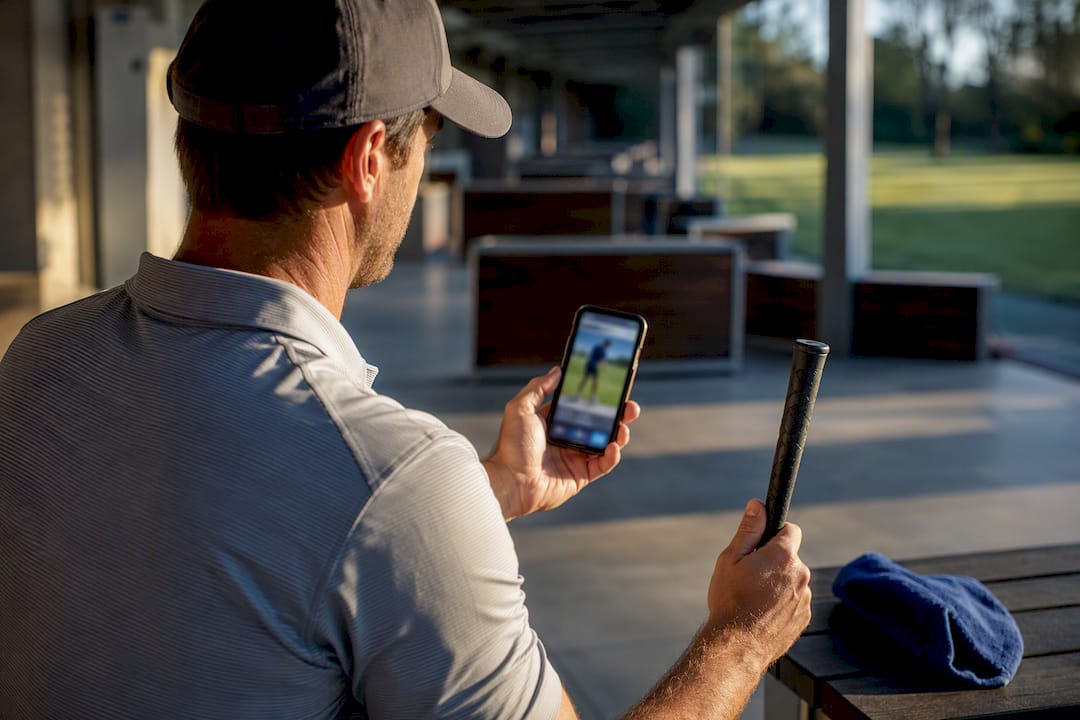
Golfer on clubhouse patio reviewing shot tracker


TL;DR:

  • Golf shot tracking records every shot to identify performance patterns and reduce strokes.
  • It utilizes club sensors, GPS devices, or AI apps, costing from free to over $250.
  • Consistent use and data review improve focus on key metrics like greens in regulation and driving distance.

Most golfers have a vague sense that they’re losing strokes somewhere, but they can’t name where. That’s exactly the problem that golf shot tracking solves. At its core, what is golf shot tracking? It’s the process of recording every shot you hit during a round, then turning that raw data into patterns you can actually act on. Technology has made this accessible to every level of player, not just tour professionals with a team of analysts. And the results speak for themselves: golfers using performance tracking save an average of 4.1 strokes per round by identifying specific weaknesses.

Table of Contents

Key takeaways

Point Details
Tracking reveals real weaknesses Data exposes exactly where you lose strokes so you can fix the right things.
Multiple technologies available Club sensors, GPS watches, and AI apps suit different budgets and play styles.
Six metrics drive improvement Tee shots, driving distance, greens in regulation, chips, three-putts, and short putts matter most.
Accuracy requires your input Even automatic systems need you to confirm pins and shots for reliable putting data.
Data is only useful when applied Review stats regularly and set specific goals, or the numbers just collect dust.

What golf shot tracking actually is

Golf shot tracking is the systematic recording and analysis of every shot taken during a round, capturing data points like distance, location, club used, and outcome. That’s the clean definition. The more useful way to think about it: it turns your guesswork into evidence.

Most golfers think they know their game. They believe they hit their 7-iron 165 yards, that their short game is solid, and that putting is where rounds fall apart. Tracking reveals actual performance over multiple rounds, and those beliefs are often wrong by a significant margin.

There are three primary methods used in modern golf shot tracking technology today:

  • Club sensor systems: Small tags or sensors screw into the grip end of each club. When you hit a shot, the sensor communicates with a GPS watch or smartphone app. The watch knows your location, the sensor tells it which club you used, and the software plots the shot on a course map.
  • GPS watches and handhelds: These devices track your position on the course using GPS coordinates. More advanced models use accelerometers to detect swings and log shots automatically, without any club tags required.
  • AI-powered mobile apps: The newest generation uses artificial intelligence to detect shots through your phone’s motion sensors or a dedicated wearable. Arccos Air automatically detects every shot through motion capture trained on over 1.5 billion shots, removing the need for club sensors entirely.

Costs range widely. Technology and price points span from free smartphone apps to systems costing $250 or more, making golf tracking technology genuinely accessible regardless of your budget.

Pro Tip: If you’re just starting out with shot tracking, use a free app for two or three rounds before committing to hardware. You’ll quickly learn which metrics you actually care about, and that tells you which device is worth buying.

The metrics that reveal where you’re really losing strokes

Once you understand what golf shot tracking captures, the next question is: which numbers actually matter? There’s no shortage of data points, but not all of them point toward lower scores.

Infographic ranking main golf shot analysis metrics

Six key metrics benchmark score improvements most effectively for amateur golfers: troublesome tee shots, driving distance, greens in regulation (GIR), multiple chip shots, three-putts, and missed putts inside five feet. These aren’t arbitrary choices. They represent the clearest connections between shot patterns and scorecard outcomes.

Here’s why this matters in practice. A golfer who averages 14 GIR per round has an entirely different problem set than one averaging 7. Tracking gives you that number honestly, across 10 rounds, not just on days when everything clicked. The golfer hitting 7 GIR needs to work on approach shots. The one at 14 GIR is throwing shots away on the green.

“Lower scores come from incremental, data-driven decisions targeting specific weak points rather than seeking a single magic fix.” — Shot Scope analysis

That quote cuts to the heart of what golf shot analysis is for. Most amateur golfers chase swing tips from YouTube or spend hours on the range without a clear target. Tracking gives you the target.

The area where golfers most frequently get a reality check is driving distance. Most golfers overestimate their driving distance. They remember the one time they flushed a drive 265 yards downhill with the wind. Tracking records every drive, including the ones that came up short and found trouble, and gives you a true average plus your typical miss pattern. That information alone changes club selection off the tee in ways that save real strokes.

Golfer with GPS watch checking driving distance

One caution worth flagging: over-analyzing irrelevant data metrics can cause analysis paralysis. PGA professionals recommend keeping your focus on factors directly connected to shot shape and scoring outcomes. More data is not always better. Knowing your dispersion pattern on approach shots is actionable. Knowing your exact swing tempo in milliseconds is probably not, unless you’re working with a coach who specifically needs it. For how these golf strategy tips connect to the numbers you’re tracking, that’s worth reading alongside your data review.

Comparing the best golf shot tracking options

The market has matured enough that golfers at every level have genuinely strong options. The right choice depends on how you play and how much friction you’re willing to accept during a round.

Device Type Cost Range Subscription Ease of Use Best For
GPS watch with club tags $150 to $250 Some fee-free options Moderate Data-focused golfers who want full stats
AI-powered wearable $100 to $200+ Often included High Players who want automatic, hands-free tracking
Smartphone app only Free to $30/year Low or none High Casual players testing tracking for the first time
Handheld GPS device $100 to $200 Usually none High Golfers who prefer not to wear a watch

Subscription fees vary significantly across platforms. Some systems charge annual fees that add up fast for regular players, while others like Shot Scope build analytics into the device with no ongoing cost. Over three years of regular play, that difference can run into hundreds of dollars.

The AI category deserves special attention because it represents a real shift in how shot tracking works. Previous systems required you to install small tags into every club grip, which took time and occasionally caused issues with older grips. AI-powered options eliminate that entirely. The tradeoff is that AI detection, while impressive, can occasionally misread a practice swing or a bump-and-run as a full shot, so you still need to review data after rounds.

Battery life is one specification that many golfers overlook when choosing a GPS watch. GPS watch devices often last only 4 to 5 hours with full tracking enabled. A slow round at a busy course can run five hours easily, which means some golfers are losing data on the back nine. Check the battery spec before you buy, and factor in whether the device offers a power-saving mode that preserves tracking at reduced GPS accuracy.

Choosing between watches, handhelds, and club tag systems really comes down to play style and how much you want the technology to blend into your routine. A golfer who already wears a watch daily will adapt to a GPS watch faster than someone who finds wearing anything on the wrist distracting.

Pro Tip: Before purchasing any tracking device, spend one round manually logging your shots in a notes app. You’ll immediately understand which data points you genuinely want to track and which ones you’d never use. That 20-minute experiment can save you $200.

How to use shot tracking effectively

Having a tracker and using it well are two different things. Here are the practices that separate golfers who actually improve from those who just collect data:

  1. Confirm your shots and pin positions every hole. Even the best automatic systems misidentify shots occasionally. Spending 30 seconds per hole reviewing what the app recorded keeps your putting statistics clean. Accurate pin location recording is particularly important because inaccurate pin data distorts putting stats, making your short game look better or worse than it actually is.

  2. Charge your device the night before every round. This sounds obvious, but battery management for GPS tracking devices is critical. Some golfers carry a small portable charger in their bag as insurance for longer rounds. Losing tracking data on holes 15 through 18 because your watch died leaves a gap in your stats.

  3. Schedule a 15-minute data review after each round, not just occasionally. The insight from one round is interesting. The pattern across eight rounds is where you actually learn something. Use your post-round coffee to check which metrics moved and which stayed stuck.

  4. Set one specific improvement goal per month based on your data. If your tracking shows you’re three-putting on 4 out of 18 holes on average, make that your singular focus for the next four weeks. Setting improvement goals tied directly to tracked metrics gives your practice sessions a clear purpose instead of general hitting.

  5. Keep the technology in its place. Tracking is a tool, not a game. If obsessing over statistics is making you tense on the course, dial it back. Review data at home, not between shots. Golf is still meant to be enjoyable, and no amount of data is worth ruining the round itself.

My honest take on golf shot tracking

I’ve watched golfers spend significant money on tracking devices and get almost no benefit from them, not because the technology failed, but because they never changed their behavior based on the data. They looked at the stats, nodded, and went right back to the same practice habits.

Here’s what I’ve learned: tracking works when it makes you uncomfortable. Not annoyed, but genuinely confronted with something you couldn’t explain away before. For me, that was seeing my GIR numbers across a full season and realizing my approach play was mediocre from 150 yards and in. I had convinced myself I was losing rounds on the greens. The data disagreed.

What I’ve found actually works is treating your worst metric as your only metric for a defined period. Pick the number that stings the most, work on that one thing for a month, and track whether it moves. This is simpler than building a spreadsheet dashboard of 20 stats. It’s also more effective.

I’d also say this: technology transforms golf instruction when it removes the guesswork from coaching conversations. Walking into a lesson with six rounds of tracked data and saying “my GIR from 125 to 150 yards is 22%” is far more productive than saying “I think my irons are a little off.” Your instructor can actually work with that.

The golfers who get the most out of tracking aren’t the ones with the fanciest devices. They’re the ones who look at their numbers honestly and let that honesty guide where they spend their practice time.

— Michael

Take your game further with Golf-blab

https://golf-blab.com

At Golf-blab, we’re all about giving you tools that make a real difference on the course. If tracking data has told you it’s time to get more intentional about your equipment setup, our custom golf club labels make it easy to organize your bag exactly the way your tracking system needs. Clear club identification means fewer mis-logged shots and a cleaner data set round after round. Browse the full Golf-blab shop for gear that supports how you play, or head to our Learning Center for strategy content that turns your tracking data into a real game plan. And if you know a golfer who’s serious about improving, a Golf-blab e-gift card gives them the freedom to grab exactly what their game needs next.

FAQ

What is golf shot tracking in simple terms?

Golf shot tracking is the process of recording every shot you hit during a round and analyzing that data to identify patterns in your game. It reveals where you are actually losing strokes compared to where you think you are.

How do golf shot trackers work?

Most systems use GPS to record your position on the course, combined with club sensors or AI motion detection to identify which club you used and where each shot landed. The data syncs to an app that maps your shots and builds performance statistics over time.

What metrics matter most in golf shot analysis?

The six most impactful metrics are tee shot accuracy, driving distance, greens in regulation, chip shot proximity, three-putts, and missed putts inside five feet. These metrics connect most directly to your score.

Do I need expensive equipment to track my golf shots?

No. Free and low-cost smartphone apps can get you started with basic shot logging. Hardware options like GPS watches or AI wearables range from around $100 to $250, with some platforms offering no ongoing subscription fees.

How accurate is automatic golf shot tracking?

Automatic systems are generally reliable but accurate pin recording still benefits from manual confirmation after each hole. Putting statistics in particular can be skewed if pin positions aren’t logged correctly, so a quick review after each green keeps your data trustworthy.