Posted on

Your Golf Shot Shaping Guide for Better Scores

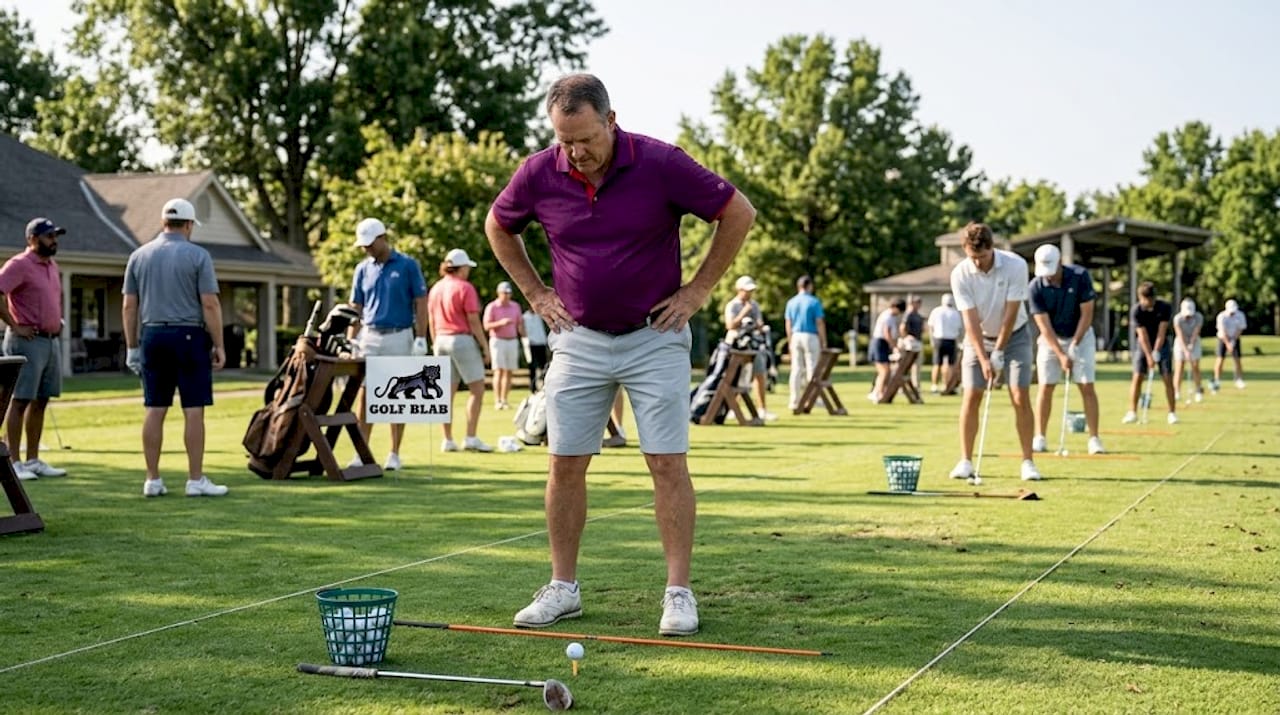
Golfer adjusting stance with alignment stick


TL;DR:

  • Most golfers can shape shots reliably through setup adjustments without overhauling their swing, leading to better course management. Correct clubface and swing path relationships at impact determine ball curvature, not body aiming or dramatic wrist action. Practice focusing on one shot shape at a time using proper alignment, setup, and commitment to improve consistency and lower scores.

Most golfers spend years hitting the same shot shape on every hole, then wonder why their scores plateau. A good golf shot shaping guide does not ask you to rebuild your swing from scratch. It shows you that most of the work happens before you ever start your backswing. Get your setup right, understand what controls ball flight, and you will have more options on any hole, under any conditions. That is what this guide covers: the mechanics, the setup changes, the situational decisions, and the mistakes you need to stop making today.

Table of Contents

Key takeaways

Point Details
Clubface controls ball start Where your clubface points at impact determines where the ball starts, not swing path.
Setup shapes shots, not hands Aligning your body and clubface correctly creates the path you need without manipulating the club.
Learn one shape first Master either a draw or a fade completely before attempting to add the other to your game.
Situation dictates shape Doglegs, hazards, and wind should drive your shot shape decisions, not habit or ego.
Deceleration kills curve Committed, smooth swings through impact are what actually make the ball curve as intended.

Your golf shot shaping guide starts with ball flight

Before you try to shape a single shot, you need to understand the two things that control ball flight. That is all there is. Two things. The clubface angle controls ball direction at the start of the flight, and the swing path relative to the clubface creates the curve.

Here is where most golfers get it wrong from day one. They assume the direction their body is aimed is what determines ball direction. It is not. If your clubface is open to your swing path at impact, the ball curves to the right (for a right-handed golfer). If it is closed to that path, the ball curves left. That relationship is everything.

Let’s put it simply:

  • Draw: An inside-out swing path with a slightly closed clubface relative to that path sends the ball right of target before curving back left.
  • Fade: An outside-in path with a slightly open clubface sends the ball left of target before curving back right.

The ball does not know what your body is doing. It only responds to the clubface and the path at the moment of impact.

A common beginner misconception is that shaping shots requires some kind of magic hand flip or dramatic swing change. That thinking gets people into trouble fast. You do not need to roll your wrists over to hit a draw, and you do not need to cut across the ball to hit a fade. Understanding ball flight mechanics in this way changes how you approach every setup.

Infographic sequence for golf shot shaping process

Pro Tip: Before your next range session, take one alignment stick and lay it on the ground pointing at your target. Then place a second stick representing your swing path. Seeing the two angles visually teaches you more in five minutes than reading about it for an hour.

Setup adjustments that produce draws and fades

Here is the real secret the traditional teaching world often overcomplicates: you can shape shots reliably by changing your setup, not your swing. The swing stays the same. The setup does the steering.

Follow these steps to set up for a draw:

  1. Aim your clubface at your actual target first. This is the anchor point.
  2. Align your feet, hips, and shoulders to the right of your target (for a right-handed player), creating an inside-out swing path by default.
  3. Move the ball slightly back in your stance. A ball position slightly back promotes a draw by encouraging contact when the club is still moving from inside to out.
  4. Strengthen your grip slightly by rotating both hands a fraction to the right. This closes the face at impact without any conscious hand action.
  5. Trust the setup and swing normally. Do not try to help the ball curve with your hands.

For a fade, reverse the logic:

  1. Aim your clubface at your target.
  2. Align your body to the left of your target to promote an outside-in path.
  3. Move the ball slightly forward in your stance to produce a fade.
  4. Weaken your grip slightly by rotating both hands a fraction left.
  5. Swing along your body line and let the open face do the work.

Here is a quick comparison so you can see both approaches side by side:

Setup element Draw setup Fade setup
Clubface aim At target At target
Body alignment Right of target Left of target
Ball position Slightly back Slightly forward
Grip Strengthened (rotated right) Weakened (rotated left)
Swing thought Inside-out along body line Outside-in along body line

The single biggest mistake golfers make with these adjustments is second-guessing the setup mid-swing and trying to manipulate the club with hands. If you set up correctly and trust your body’s rotation, the shot shape happens naturally.

Pro Tip: Practice one shape at a time for at least two full range sessions before attempting the other. Trying to hit draws and fades in the same session confuses your muscle memory and slows progress significantly.

Situation-based shaping: reading the course

Knowing how to shape shots is one thing. Knowing when to use them is what separates a smart golfer from a skilled one. Course management is where shaped shots improve scoring opportunities more than almost any other skill.

Here are the situations where shot shaping gives you a real strategic advantage:

  • Doglegs: A right-to-left dogleg calls for a draw. A left-to-right dogleg calls for a fade. Using shaped shots on doglegs cuts the angle and leaves you a shorter approach instead of playing to the safe side and adding distance.
  • Hazards on one side: If there is water running down the right side of a hole, a fade is the riskiest shot you can hit. A draw that starts over the hazard and curves away from trouble is far smarter.
  • Wind management: Into a headwind, a low draw stays under the wind and runs out. A high fade is almost impossible to control in a strong headwind because backspin and wind fight each other.
  • Clearing obstacles: Needing to carry a tree on the right? A high fade that starts left and curves right gets there. A draw going the other direction runs into trouble.

Trajectory control is its own tool within shot shaping. Adjusting ball position and weight distribution gives you both: ball forward and weight slightly back for a high shot, ball back and weight forward for a low stinger. Picture a low draw under tree branches rolling out to the front of a par-5 green. That shot does not require Tour-level talent. It requires knowing your setup options.

Pro Tip: Walk your planned shot shape in your mind before you address the ball. Picture the full flight from club to landing spot. Golfers who visualize the shape first commit to it better and execute it more consistently.

Golfer visualizing approach shot on fairway

Common mistakes when learning to shape shots

Most golfers run into the same wall when they start working on shot shaping. The good news is that these mistakes are predictable, which means they are fixable.

  • Steering with the hands: This is the number-one shot-shaping killer. The moment you try to flip your wrists to create a draw or hold the face open for a fade, you lose timing and contact. Trust your setup. Hands stay passive.
  • Misaligned body and clubface: Misaligning body and clubface is one of the fastest ways to send the ball in the opposite direction of what you intended. Your face and body need to work in deliberate relationship, not as two separate systems.
  • Decelerating through impact: This one stings because it feels like you are being careful. But decelerating through impact kills the spin needed to make the ball curve. A smooth, committed swing through the ball is non-negotiable.
  • Overcomplicating swing changes: Most golfers do not need a swing overhaul to shape shots. They need better setup habits. If your first instinct is to change your takeaway or hip rotation, pull back and revisit your alignment first.
  • Skipping the fundamentals: Trying to shape shots before you can hit a reasonably straight ball consistently is like trying to parallel park before you have learned to drive. Solid contact comes first.
  • Ignoring video and alignment aids: Alignment sticks cost almost nothing. A phone on a tripod costs you thirty seconds of setup time. Use them. Golfers who use video analysis spot their own misalignment in one session that they never would have caught by feel alone.

“The biggest psychological challenge in shot shaping is committing fully to the shot during the swing. Hesitation causes poor results every single time, regardless of how good your setup is.”

Do not let that quote slide past you. Setup gets you most of the way there. Commitment gets you the rest.

Practice strategies for consistent shot shaping

Building reliable shot shaping skills is a process, not a light switch moment. Structure your practice and the progress comes faster than you expect.

  1. Start with mid-irons. A 7-iron gives you enough loft to see the curve and enough control to feel the feedback. Driver and long irons are much harder to shape when you are learning the feel.
  2. Use alignment sticks every session. Place one on the ground along your body line and one showing your target line. Seeing the gap between them makes the setup concept concrete.
  3. Commit to one shape for two weeks. Mastering one shape first and building it into instinct is faster than switching back and forth. Pick your draw or your fade and own it before adding the other.
  4. Record your sessions. Even a short clip from behind shows you whether your alignment actually matches your intention or whether you are still aiming differently than you think.
  5. Transfer to the course gradually. Start using your go-to shape in low-pressure situations: practice rounds, early holes, easy par-5s where you have room to miss. Build the mental trust before you need the shot in a tight spot.

When it comes to short game, keep your shot shaping ambitions proportional to the situation. Research on short game shot selection shows that simple, low-percentage-risk shots around the green consistently outperform complex ones. Save the creativity for approach shots and tee shots. Around the green, the more boring the shot, the better.

Pro Tip: When you take the shape to the course, pick a specific landing zone before you pick a shot shape. The target comes first. The tool you use to reach it comes second.

My honest take on shot shaping

I have watched golfers spend years convinced that shot shaping was something reserved for Tour players or single-digit handicappers. That belief cost them strokes they did not have to give away. Here is what I have actually seen over a long time watching golfers improve or stall out.

Shot shaping is about options, not perfection. The golfer who can work the ball in two directions does not hit perfect shots. They just have fewer dead ends on the course. That is an enormous advantage when a pin is tucked behind a bunker or a tee shot demands you start the ball at the left edge of the fairway.

The psychological side is underrated. I have seen technically sound setups fall apart because the golfer did not commit to the shape at address. They second-guessed it mid-swing and produced something neither draw nor fade. Full commitment, even on a shape you are still learning, almost always beats a half-committed perfect setup.

My experience has shown me that simpler setups beat forced swing changes every single time. The golfers who improved fastest were the ones who stopped trying to manufacture shots with their hands and started trusting what a good address position can do for them. If you are working on your short game alongside shot shaping, those two things feed each other in ways most golfers do not expect.

Be patient with yourself. Two weeks of focused work on one shape will do more for your game than two years of dabbling in both.

— Michael

Take your shot shaping further with Golf-blab

Golf-blab exists to give you real, practical tools to get better on the course. If this guide got you thinking about how your equipment fits your shot shaping goals, that is the right instinct. The way your clubs are set up and organized matters more than most golfers realize.

https://golf-blab.com

Start by checking out Golf-blab’s take on golf club personalization to see how tailored equipment setups support more consistent ball shaping during practice and play. If you want to organize your bag by shot type or distance, custom club labels from the Golf-blab shop make that easier than you think. And if you are still figuring out whether to pursue instruction or self-teach your shot shaping skills, the Golf-blab learning center has the resources to help you choose the right path and stay on it.

FAQ

What controls ball curvature when shaping shots?

The relationship between clubface angle and swing path controls curvature. A clubface closed to the swing path creates a draw; a clubface open to it creates a fade.

Do I need to change my swing to shape shots?

No. Setup adjustments including body alignment, ball position, and grip changes create the swing path and face angle you need without overhauling your swing mechanics.

What is the best shot shape to learn first?

Learn your natural shot shape first and make it reliable, then develop the opposite shape. Consistency with one shape always beats inconsistency with two.

How does shot shaping help with course management?

Shaped shots let you work with doglegs, avoid hazards, and control the ball in wind instead of fighting the hole’s layout. Strategic shot shaping leads directly to lower scores.

Why does my shaped shot not curve as intended?

The most common causes are decelerating through impact, misaligned body and clubface, or trying to steer the ball with your hands during the swing instead of trusting your setup.
Posted on

What Is Lag in Golf Swing: Power Explained

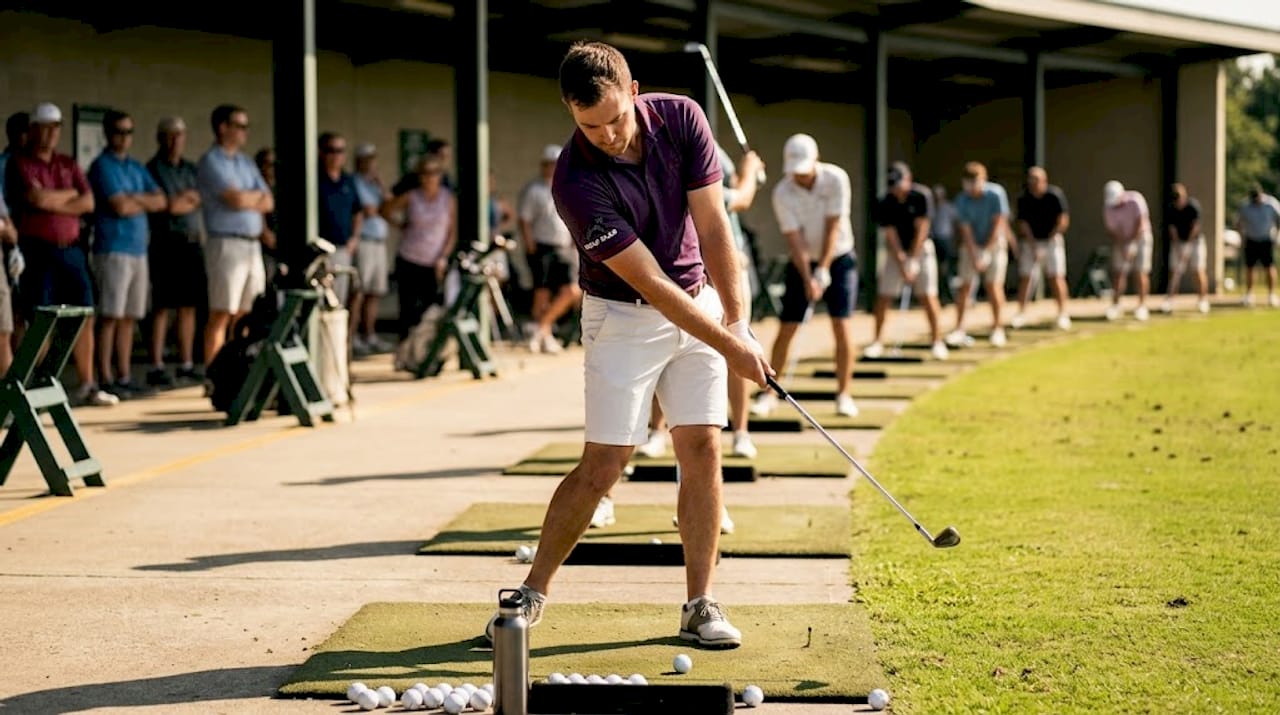
Golfer demonstrating lag during downswing


TL;DR:

  • Lag is the angle between your lead forearm and the club shaft that forms naturally through proper sequencing during the downswing. It results from the lower body’s initiation, allowing your arms and club to trail passively, creating a whip-like power and consistency in your swing. Most golfers lose lag prematurely by casting early, but focusing on relaxed arms and hip-first movement helps develop automatic lag over time.

Most golfers hear the word “lag” and picture a Tour pro with a deeply hinged wrist and a club practically parallel to the ground. That image is accurate, but it tells you almost nothing about what is lag in golf swing mechanics or how to actually create it. Lag is one of the most misunderstood and undertaught concepts in the game, and the gap between knowing the word and applying the feeling is exactly where most amateurs lose distance and consistency. This guide closes that gap.

Table of Contents

Key takeaways

Point Details
Lag is an angle, not a wrist trick It is the angle between your lead forearm and the club shaft held during the downswing.
Sequencing creates lag naturally Lag comes from lower body leading first, not from manually holding your wrists.
Early release destroys power Casting the club too soon breaks the lag angle and kills clubhead speed before impact.
Wrist flexion matters A flat or bowed lead wrist during the downswing holds lag and keeps the clubface square.
Practice builds feel Drills like the “pulling a chain” feeling build the muscle memory that produces automatic lag.

What is lag in golf swing mechanics

At its core, lag is the angle formed between your lead forearm and the club shaft during the downswing. Your hands lead. The clubhead trails. That trailing is lag.

Think of it like cracking a whip. The handle moves first, the tip follows last. That delay is what creates the explosive snap at the end. Your golf swing works the same way. The energy stores in that angle as you transition from backswing to downswing, and it releases at impact when your hands are ahead of the clubhead and the angle finally unloads.

Here is what lag looks like and feels like:

  • Your wrists stay hinged well past the halfway point of your downswing
  • Your hands are noticeably ahead of the clubhead as you approach the ball
  • Your lead arm and the club shaft form a clear angle, not a straight line, from hip height down to impact
  • The release happens at or just after the ball, not before it

“Sergio Garcia’s lag comes from proper sequencing, not from manually holding his wrists. His lower body fires first, his arms and club trail naturally, and the lag angle builds automatically.”

That last point is where most golfers go wrong. They think lag is something you hold. It is not. It is something that happens when your swing is sequenced correctly. You can learn more about this idea at the Golf-blab article on swing automation basics.

The physics behind lag comes down to inertia. When your lower body accelerates toward the target, your arms and club have mass and they resist that acceleration for a moment. That resistance is the lag. It stores potential energy like a coiled spring, ready to release at impact.

Why lag matters for your game

Here is the naked truth: lag separates great ball strikers from average ones. It is not talent. It is physics applied correctly.

Woman practicing powerful golf swing

When lag is working, you get a whip-like release at the bottom of the swing that delivers the clubhead at maximum speed exactly when and where it needs to be. The result is more distance, better compression, and a noticeably more solid feel at impact. Maintaining this angle can increase clubhead speed by 5 to 8 mph, which translates directly to yards off the tee and more control with your irons.

The benefits stack up fast:

  • More distance without swinging harder. The whip effect does the work for you.
  • Better ball compression. Lag keeps your hands ahead at impact, which traps the ball against the face and produces that satisfying, penetrating ball flight.
  • Consistent contact. Lag keeps the swing arc in sync, so you are hitting the ball at the right point in the arc every time.
  • Shot control. A square clubface at impact is far easier to produce when your hands lead the way.

The opposite of lag is casting, and it is a plague. Casting breaks the lag angle early in the downswing, meaning the clubhead passes your hands before impact. The energy releases into the air instead of into the ball. You lose compression, lose control, and often hit weak fades or outright slices. The ball just feels dead. That hollow, thin contact you hate? Casting is usually the culprit.

Common misconceptions about golf swing lag

This is where the traditional instruction industry has failed a lot of golfers. The advice “hold your lag” or “keep that angle” sounds simple but creates more problems than it solves.

Manufactured lag versus natural lag

Type How it’s created What goes wrong
Manufactured lag Manually holding wrist hinge with muscle tension Stiff arms, blocked release, loss of speed
Natural lag Lower body leads, arms relax and trail behind Club whips through naturally, full power released

Forcing lag with your hands is like squeezing a water balloon. The harder you grip, the less it flows. Proper lag comes from relaxed arms and correct body sequencing, not from tightening your grip on the angle.

Another big misconception is that lag is all about wrist hinge. Wrist hinge contributes, but it is only one piece. If your body sequence is off, no amount of wrist hinge will save you. The real driver of lag is your lower body firing first on the downswing while your arms and club trail passively.

Infographic comparing manufactured and natural golf lag

Then there is the wrist position issue. A bowed or flat lead wrist during the downswing is what actually holds the lag and squares the clubface. When the lead wrist cups or extends (bends backward), you lose the lag angle and open the clubface at the same time. That combination produces early release plus a slice. Two problems for the price of one bad habit.

Pro Tip: Do not focus on your wrists at all when working on lag. Focus on your lower body. When your hips initiate the downswing and your arms stay passive, the wrists take care of themselves.

How to achieve lag in your swing

Here is where it gets practical. These steps and drills work because they address the root causes of lost lag instead of patching the symptoms.

  1. Start your downswing with your lower body. Your hips turn toward the target before your arms do anything. This gap between lower and upper body is what starts the lag chain reaction. If your arms drop first, the lag never forms.

  2. Keep your grip pressure light. Tension in your arms and hands is the enemy of lag. Think 4 out of 10 on a tension scale. Wide takeaways with relaxed arms at address make this transition much easier to execute.

  3. Practice the pulling a chain drill. Imagine you are pulling a handle downward with both hands and letting the clubhead trail far behind. You are not throwing the clubhead. You are pulling the grip end down. The clubhead follows last. This is the feel you are after.

  4. Shallow the club on the way down. If your club comes over the top, you are almost guaranteed to cast early. As your hips fire, feel your right elbow (for right-handed players) drop toward your hip. This shallowing move keeps the club on plane and preserves the lag angle naturally.

  5. Flex your lead wrist slightly. At the top of your backswing, try to feel a slight bowing of your lead wrist as you begin the downswing. Even a small amount of flexion here makes a dramatic difference in how long you hold the angle before release.

  6. Use tempo to your advantage. Rushing the transition from backswing to downswing destroys lag before it forms. A deliberate pause at the top, even a half-second mental beat, gives your lower body a head start on your arms. That timing gap is where lag is born.

  7. Check your impact position with video. Record your swing from a face-on view and freeze frame at impact. Your hands should be ahead of the clubhead. If the clubhead is even with or ahead of your hands, you are casting and losing lag.

Pro Tip: Swing with your feet together and hit balls at 60% effort. This drill forces you to sequence your body properly because you cannot muscle the ball. When you feel the club snap through contact, that is lag working.

You can explore more drills and full practice routines for consistency at Golf-blab to build these habits into your game week by week.

Putting lag to work in your overall game

Understanding lag is one thing. Making it automatic is another. Here is how you move from concept to course performance.

  • Start every practice session with slow-motion swings focusing on lower body initiation. Feel is built at slow speed, not full speed.
  • Do not mix lag drills with score-focused range sessions. Dedicate blocks of practice specifically to sequencing and lag, separate from hitting targets.
  • Watch for signs of improvement: a sharper, more compressed ball sound at impact, divots that point slightly left of the target (for right-handed players), and a more penetrating ball flight.
  • Avoid the trap of checking your wrists mid-round. Once lag work is done in practice, trust it on the course. Mechanical thoughts during play undo the muscle memory you built.
  • Know that equipment plays a role too. Shafts that are too stiff or too flexible for your swing speed can fight the lag timing you are trying to build. Updating or customizing your golf equipment to match your actual swing characteristics is a legitimate part of improving lag performance.

The golfers who make the fastest progress with lag are the ones who commit to the process without obsessing over immediate results. Muscle memory takes repetition. Give it the time it deserves.

My honest take on lag and why most golfers miss it

I have seen golfers spend years chasing lag by trying to hold it, and they almost never get there. The traditional instruction mindset of “maintain the angle” turns a natural athletic motion into a mechanical puzzle. It is exhausting and it does not work for most people.

What I have learned, and what I believe deeply, is that lag is a byproduct. You cannot chase it directly. When you obsess over your wrist angle during the swing, you create tension. Tension kills speed. Tension kills the natural whip-through that lag is supposed to create. It is completely counterproductive.

In my experience, the golfers who develop the best lag are the ones who stop thinking about it and start feeling their lower body lead. When the hips go first and the arms hang loose, the lag just shows up. Early casting disappears naturally because the sequence is right.

My honest advice: spend two weeks doing nothing but slow swings with a focus on hip initiation. No wrist thoughts. No angle thoughts. Just hips first, arms passive. You will be shocked at how much better the ball sounds.

— Michael

Take your swing further with Golf-blab

https://golf-blab.com

If this article lit something up for you, Golf-blab has the tools to take it further. The Golf-blab Learning Center covers swing mechanics, sequencing principles, and real drills you can use immediately, taught in the same candid, no-fluff style you just read. For golfers who want hands-on acceleration, the Swing Like a Pro program gives you structured instruction to build lag and the full swing sequence from the ground up. And if you want your clubs to feel like yours, check out Golf-blab’s custom club labels and golf club personalization options. Gear that feels personal plays better. That is not marketing. That is just how confidence works.

FAQ

What exactly is lag in a golf swing?

Lag is the angle between your lead forearm and the club shaft maintained during the downswing. It stores energy that releases at impact as clubhead speed.

How do I know if I am losing lag early?

If your clubhead passes your hands before impact, you are casting. Video your swing from face-on and freeze at impact to check hand position relative to the clubhead.

Can beginners develop lag in their swing?

Yes. Beginners actually have an advantage because they have fewer bad habits to unlearn. Focus on lower body initiation and relaxed arms from the start, and lag will develop naturally.

Is lag the same as wrist hinge?

No. Wrist hinge contributes to lag, but lag is a product of sequencing, not wrist position alone. You can have a big wrist hinge and still cast if your body sequence is wrong.

How long does it take to improve lag?

Most golfers notice a real difference in ball sound and compression within four to six weeks of consistent sequencing drills, though building automatic lag under course pressure takes longer.

Posted on

Top 6 alternativas a magicgolftee.com 2026

Un hombre está customizando su equipo de golf mientras trabaja en su escritorio de oficina.

Encontrar accesorios y ropa de golf que permitan personalización rápida y pedidos pequeños para eventos o regalos sin perder calidad es complicado en la mayoría de tiendas. Muchas solo aceptan pedidos grandes, excluyen opciones urgentes o enfocan su catálogo en equipamiento masivo sin servicios a medida. Este análisis te permite comparar precios, plazos y variedad de personalización entre seis alternativas para elegir la que mejor se ajusta a tu tipo de compra y evento.

Tabla de contenidos

Golf Blab

https://golf-blab.com

Resumen rápido

Combina etiquetas personalizadas para palos con programas de instrucción online que usan análisis biomecánico para afinar el swing.

La propuesta mezcla venta de equipo personalizado, ropa de rendimiento y lecciones con metodología basada en datos, todo gestionado principalmente desde su tienda en línea.

Características principales

  • Etiquetas personalizadas para palos: opciones de diseño y nombres que ayudan a diferenciar y motivar al jugador en el campo.

  • Lecciones online con automatización del swing: paquetes de entrenamiento que incluyen secuencias automatizadas y guías técnicas.

  • Análisis biomecánico y feedback con datos: sesiones que usan métricas para corregir mecánica y seguimiento de progreso.

  • Ropa y accesorios de rendimiento para uso en torneo o práctica diaria.

  • Comunidad y patrocinio de jugadores profesionales que alimentan eventos y contenido educativo.

Diferenciador clave

Especializa su oferta en la combinación de personalización del equipamiento y coaching online respaldado por datos, buscando resultados prácticos y rápidos en la mecánica del swing.

Ese enfoque integra identidad del jugador con mejoras técnicas, algo poco común entre minoristas que venden solo equipo o solo lecciones.

Ventajas

  • Personalización que influye en la motivación. Las etiquetas para palos funcionan como un recordatorio tangible y mejoran la conexión del jugador con su equipo.

  • Lecciones diseñadas para ver progresos concretos. El material pedagógico se apoya en automatización y métricas para reducir repeticiones inútiles en el entrenamiento.

  • Equipo y ropa con orientación performance. Los artículos cubren desde bolas hasta prendas pensadas para competiciones y práctica intensa.

  • Relación con profesionales. Patrocinar a jugadores como Mariel Galdiano aporta credibilidad a las recomendaciones y a eventos comunitarios.

  • Garantía en lecciones premium. La oferta incluye devolución de dinero en ciertos paquetes, lo que reduce el riesgo de probar el método.

Contras

  • Presencia física limitada; la experiencia es principalmente online, por lo que la prueba presencial de tallas o configuraciones de equipo es reducida.

Para quién es

Golf Blab encaja con golfistas que valoran la personalización y el entrenamiento basado en datos, desde amateurs comprometidos hasta jugadores sociales que quieren mejorar consistencia.

Si te interesa marcar tu equipo, recibir feedback técnico y comprar ropa orientada al rendimiento, este servicio tiene sentido.

Propuesta de valor única

Michael Marini aporta la fórmula pedagógica y Golf Blab ofrece paquetes de lecciones con garantía de devolución, lo que transforma el riesgo de probar clases online en una decisión más directa.

Esa combinación de un creador reconocido y la promesa de reembolso cambia la experiencia: si la metodología no aporta mejoras, puedes recuperar la inversión en el paquete.

Caso de uso real

Un jugador recreativo encarga etiquetas personalizadas, sigue el programa de automatización del swing y usa el análisis biomecánico para corregir la postura. Compra ropa de rendimiento antes de un torneo local y participa en un evento patrocinado por la comunidad.

El resultado es una mejora en la confianza y cambios técnicos medibles en sesiones posteriores.

Precios

Productos y servicios suelen moverse en rangos claros: artículos personalizados y herramientas entre $50 y $200, ropa y accesorios entre $40 y $150. Las lecciones se venden en paquetes y algunas incluyen garantía de devolución.

El envío suele estar incluido a partir de ciertos umbrales de compra, según la política del sitio.

Sitio web: https://golf-blab.com

Goldhill Golf

https://goldhillgolf.com

De un vistazo

Goldhill Golf nace como una marca artesanal del Reino Unido que combina tees de bambú biodegradables con accesorios diseñados para durar y usarse en campo. Sus piezas incluyen herramientas impresas en 3D con funciones integradas y una comunidad activa que participa en el desarrollo de productos.

Características principales

  • Diseño ecológico: tees de bambú biodegradables y embalaje sostenible.
  • Accesorios con propósito: herramientas impresas en 3D que integran múltiples funciones, como reparadores con afilador incorporado.
  • Fabricación artesanal en el Reino Unido: foco en calidad y acabados duraderos.
  • Participación comunitaria: feedback directo de clientes para iterar nuevos productos.

Diferenciador clave

La propuesta de Goldhill Golf apela a golfistas que prefieren objetos con historia y materiales responsables. En lugar de competir por volumen, la marca apuesta por artesanía y por involucrar a su comunidad en cada iteración, una mezcla que la hace más especializada y menos orientada al comprador que busca surtido masivo.

Ventajas

  • Diseño consciente. Los materiales sostenibles reducen el impacto después de su uso y conectan con jugadores preocupados por el medio ambiente.

  • Calidad tangible. Los acabados y la sensación en mano reflejan la fabricación artesanal, lo que se nota al usar los accesorios en rondas repetidas.

  • Funcionalidad pensada para el campo. La herramienta reparadora con afilador integrado es un ejemplo claro de diseño útil que ahorra llevar piezas extra.

  • Comunidad activa. Comprar aquí suele significar poder dar feedback y ver futuras ediciones influenciadas por clientes reales.

  • Narrativa de marca. La historia familiar padre-hijo añade autenticidad y hace que regalar sus productos sea más personal.

Inconvenientes

  • Gama estrecha. La oferta se concentra en accesorios y artículos ecológicos; no es un lugar para comprar hierros o bolsas.

  • Precio superior. Los costes reflejan materiales y trabajo artesanal, lo que puede alejar a compradores con presupuesto ajustado.

  • Alcance principalmente local. El enfoque en el Reino Unido limita opciones para compradores internacionales.

  • Falta de reseñas externas. No hay abundante evidencia de pruebas o reseñas independientes en el mercado.

Cuando no encaja

Si necesitas un surtido amplio de equipamiento, envíos rápidos y económicos fuera del Reino Unido, Goldhill Golf no es la mejor opción. Tampoco es la opción más práctica para equipos que compran al por mayor buscando descuentos por volumen.

Para quién es

Golfistas en el Reino Unido que valoran sostenibilidad y acabado artesanal. Ideal para jugadores que compran accesorios con intención y prefieren piezas con historia, y para quienes buscan regalos con impacto ambiental reducido.

Caso de uso real

Un jugador compra tees de bambú y una herramienta reparadora antes de una temporada de club. Tras varias rondas aprecia la durabilidad y deja comentarios a la marca proponiendo pequeñas mejoras, que luego aparecen en una edición limitada.

Precios

Los precios son directos: tees de bambú desde £7.00 por 50 unidades; herramientas reparadoras alrededor de £18; ropa desde £25. La marca anuncia envío gratuito en 48 horas para pedidos en el Reino Unido.

Sitio web: https://goldhillgolf.com

Golfballs.com

https://golfballs.com

A primera vista

La empresa se anuncia como “World Leader in Golf Customization” y opera desde 1995, según su material promocional. Su oferta más notable es la impresión personalizada sin pedido mínimo y con opciones de producción urgente.

El dato práctico: pedidos pequeños y urgentes son posibles. Pruébalo con un lote de muestra.

Características principales

  • Personalización completa: impresión de logo, foto, monograma, icono y mensajes con herramientas de carga online.
  • Sin cantidad mínima: permite encargar desde una docena sin cargos de configuración y con opciones de impresión urgente.
  • Selección amplia: bolas de Titleist, Callaway, TaylorMade, Bridgestone y diseños exclusivos.
  • Producción propia: impresión y manufactura in-house para mayor control de calidad y durabilidad.
  • Soporte al cliente: chat en vivo, teléfono y correo con garantía de satisfacción.

Prueba la herramienta de subida para verificar la colocación del logo antes de comprar.

Factor distintivo

Golfballs.com basa su propuesta en tecnología de impresión propia y un abanico de opciones de personalización. Esa capacidad in-house permite tiempos de respuesta cortos y niveles de detalle que muchos revendedores externos no manejan.

Si necesitas logos complejos o entregas rápidas, esa capacidad marca la diferencia.

Ventajas

  • Amplia experiencia: la compañía destaca más de 25 años en el mercado, lo que aporta procesos refinados y recursos dedicados a la personalización.

  • Atención orientada al cliente: su servicio ha recibido varios reconocimientos, según su material, y suele resolver ajustes de pedido con rapidez.

  • Flexibilidad de volumen: sin mínimos y sin cargos de setup, útil para regalos, torneos pequeños o pruebas de producto.

  • Variedad de marcas: permite elegir modelos de bola por rendimiento y añadir el branding deseado, todo en la misma compra.

  • Opciones urgentes: la impresión rush reduce el riesgo de recibir pedidos fuera de fecha para eventos.

Considera pedir una muestra antes de un pedido masivo.

Desventajas

  • Errores puntuales en pedidos: se han reportado equivocaciones en direcciones o en el tamaño de los logos en algunos casos.

  • Atención inconsistente: algunos clientes mencionan interacciones menos satisfactorias con el soporte, incluyendo tono o demora.

  • Envío internacional limitado: la tienda atiende principalmente al mercado de Estados Unidos, según su información.

  • Calidad variable según diseño: la fidelidad del logo depende de la resolución y complejidad del archivo enviado.

Guarda versiones vectoriales para logos complejos y verifica pruebas digitales.

Cuándo no encaja

Si tu evento requiere entrega fuera de Estados Unidos, esta opción puede resultar inadecuada por las limitadas alternativas de envío internacional.

Tampoco es la mejor elección si necesitas control total sobre la cadena logística internacional o certificaciones locales de importación para productos corporativos.

Para quién es

Golfballs.com encaja con golfistas, organizadores de torneos y empresas que quieren bolas personalizadas sin pedir grandes cantidades. Es ideal para quienes valoran tiempos de entrega cortos y la facilidad de diseño online.

No es la opción principal para compradores globales que requieren redes de distribución internacionales robustas.

Caso de uso real

Un club corporativo sube su logo en la herramienta de personalización, elige bolas Titleist y solicita impresión rush para un torneo en 10 días. El equipo de soporte confirma la colocación del logo y ajusta la escala. Pedido entregado a tiempo para el evento.

Prueba este flujo con un pedido de prueba antes de comprometer un lote mayor.

Precios

Las bolas de marcas líderes suelen costar entre $20 y $60 por docena, según el modelo, con la personalización incluida en la mayoría de los casos. No hay cargos de setup y hay descuentos por volumen; los gastos de envío varían según destino y rapidez.

Consulta la página de producto para tarifas específicas y tiempos de entrega.

Sitio web: https://golfballs.com

Personalizedgolftees.com

https://personalizedgolftees.com

De un vistazo

La empresa anuncia sin cargos de configuración y un pedido mínimo de 100 unidades, una combinación pensada para eventos y promociones. También publicitan un plazo de producción de alrededor de 5 días hábiles, útil para pedidos con calendario apretado.

Características principales

  • Personalización de tees y marcadores con impresión de logo y texto en varias posiciones y tamaños.
  • Opciones de material en madera y plástico y una amplia paleta de colores para coordinar con identidad de equipo.
  • Plataforma en línea fácil de usar para diseño y pedido con descuentos por volumen.
  • Producción rápida y envío estándar por $9.99 por pedido, según la empresa.

Diferenciador clave

El punto más distintivo es la combinación de personalización sin cargos y producción rápida centrada exclusivamente en tees y marcadores. Esa especialización simplifica decisiones de imprint y control de color cuando necesitas piezas para torneos o regalos corporativos.

Ventajas

  • Amplia variedad de opciones de personalización que permiten imprimir logos tanto en la cabeza del tee como en el shank. Ideal para visibilidad de marca.

  • La ausencia de cargos de configuración reduce el coste por unidad en tiradas medianas y grandes, lo que favorece campañas promocionales.

  • La plataforma facilita pedidos rápidos y, según la compañía, suele entregar en torno a cinco días hábiles, adecuado para necesidades de última hora.

  • Descuentos por volumen y soporte de diseño hacen que organizadores de torneos y equipos pequeños obtengan resultados profesionales sin contratar agencia.

Desventajas

  • Enfoque muy estrecho en accesorios de golf significa que no encontrarás pelotas, bolsos o ropa; tendrás que buscar proveedores adicionales.

  • El sitio no muestra reseñas de usuarios ni calificaciones de terceros, lo que complica evaluar la experiencia de compra real.

  • Pedido mínimo de 100 unidades excluye compras pequeñas para regalos personales o pruebas de prototipos.

Cuándo no encaja

Si necesitas un surtido completo de merch para un evento, esta tienda se queda corta porque su catálogo se limita a tees y marcadores. También es menos útil si tu público está fuera de Estados Unidos, ya que la logística internacional puede ser limitada.

Para quién es

Encaja con golfistas, organizadores de torneos, equipos escolares y departamentos de marketing corporativo que buscan piezas promocionales claramente marcadas. Es mejor cuando necesitas cantidades desde cien unidades en adelante y valoras rapidez y control de impresión.

Caso real de uso

Un equipo de marketing organizó un torneo benéfico y subió su logo al diseñador en línea. Eligieron colores del club, aprovecharon el descuento por volumen y, según el proveedor, recibieron los tees dentro de cinco días hábiles listos para entrega a los participantes.

Precios

La compañía indica precios iniciales de aproximadamente $29.50 para paquetes al por mayor de tees de madera de 2 3/4 pulgadas. El coste final varía según tamaño, cantidad y opciones de impresión. El envío estándar figura en $9.99 por pedido.

Sitio web: https://personalizedgolftees.com

Golftees.com

https://golfteesplus.com

A primera vista

La empresa anuncia un tiempo de producción de 5 días hábiles para artículos personalizados, lo que es notable si necesitas material para torneos o eventos con calendario ajustado. Golftees.com combina esa velocidad con personalización y marcas reconocidas.

Su oferta se centra en accesorios personalizados más que en palos o ropa, y apunta a grupos, clubes y clientes corporativos.

Características principales

  • Amplio catálogo de accesorios personalizados: pelotas, tees, tacos de goma y trofeos.

  • Proveedores de primera línea: Titleist, Callaway y TaylorMade están entre las marcas ofrecidas, según su catálogo.

  • Opciones de personalización con imágenes, texto y varias tipografías para pedidos individuales o por volumen.

  • Producción rápida y logística: 5 días hábiles para artículos personalizados y envío estándar gratis en pedidos superiores a $75.

Diferenciador clave

Golftees.com se distingue por centrar su propuesta en la personalización de accesorios de alta calidad y por trabajar con marcas conocidas. Ese enfoque lo hace ideal para quienes buscan artículos con identidad propia en lugar de una tienda general de equipamiento o un recurso educativo.

Ventajas

  • Amplias opciones de personalización que permiten logos, textos y combinaciones de color para eventos o regalos.

  • Relación con marcas premium, lo que ayuda a mantener performance y apariencia profesional en productos como pelotas y accesorios.

  • Catálogo completo de accesorios; es fácil juntar kits para premios o paquetes promocionales.

  • Plataforma de compra clara con guías de personalización que simplifican la carga de archivos e instrucciones.

  • Producción relativamente rápida para trabajos a medida, útil cuando el tiempo apremia.

Inconvenientes

  • No hay precios fijos para la personalización; el coste varía según complejidad y requiere cotización o cálculo en el carrito.

  • Información sobre envíos internacionales es escasa, lo que complica pedidos desde fuera de su región principal.

  • Ausencia de reseñas de terceros visibles en la tienda impide verificar calidad y servicio al cliente desde fuentes independientes.

  • El catálogo se orienta a accesorios; si buscas palos o indumentaria técnica, esta no es la opción adecuada.

Cuándo no encaja

Si necesitas palos, ropa técnica o un distribuidor con garantías y reseñas internacionales claras, Golftees.com quedará corto. Tampoco es la elección correcta para compradores que exigen precios cerrados por personalización sin solicitar una cotización.

Para quién es

Golftees.com encaja con organizadores de torneos, empresas que encargan merchandising para eventos y clubes que desean regalos o material de marca. Es ideal para quien prioriza personalización visible y trabaja con plazos de producción cortos.

Caso práctico

Una empresa organiza un torneo benéfico y carga su logo en la plataforma. Pide pelotas y tees personalizados, elige colores y tipografías, y recibe el pedido dentro del plazo citado para repartirlo en el evento y aumentar visibilidad de marca.

Precios

Los precios dependen del artículo y del nivel de personalización. Ejemplos orientativos en su catálogo: tees personalizados desde aproximadamente $45, pelotas personalizadas desde $29 y trofeos grandes desde $60. Ofrecen descuentos por volumen y envío gratuito en pedidos superiores a $75.

Sitio web: https://golfteesplus.com

ParGolf Supply, Inc.

https://pargolf.com/Golf-Tees.htm

De un vistazo

ParGolf Supply anuncia un tiempo de producción rápido, típicamente de cinco días hábiles para pedidos personalizados, lo cual es útil cuando un torneo aparece en el calendario con poco aviso.

La oferta se orienta claramente a pedidos por volumen y artículos promocionales, con énfasis en impresión de alta calidad y opciones de marcaje para eventos corporativos y torneos.

Características principales

  • Personalización de logotipos en tees y pelotas, con varias técnicas de estampado según el material.
  • Tiempo de producción rápido para pedidos personalizados, pensado para fechas límite ajustadas.
  • Descuentos por volumen y precios mayoristas en packs y material para torneos.
  • Amplia variedad de materiales, colores y tamaños de tees, además de paquetes para torneos y sets de regalo.

Diferenciador clave

El punto que más destaca es el enfoque en entrega rápida y marcaje de calidad para productos promocionales. Ese énfasis convierte pedidos urgentes de eventos en una opción viable frente a proveedores genéricos que tardan semanas.

Ventajas

  • Gran capacidad para pedidos corporativos y de torneo, incluida la gestión de packs y sets. Esto reduce la logística cuando organizas un evento.
  • Producción rápida que funciona bien para plazos cortos y para recambios de última hora.
  • Amplia selección de materiales y colores, útil si buscas coherencia de marca en varios artículos.
  • Descuentos por volumen que bajan el coste unitario en pedidos grandes, atractivo para patrocinadores y clubs.
  • Reputación por impresión resistente, lo que minimiza devoluciones por estampados que se desgastan con uso.

Inconvenientes

  • Opciones de envío internacional limitadas, lo que complica pedidos fuera de Estados Unidos.
  • Precios más altos que proveedores no personalizados; la marca y la impresión añaden coste.
  • Orientación hacia pedidos al por mayor deja escasa oferta para compradores individuales que solo quieran unas pocas piezas.
  • Selección reducida de equipo básico sin impresión, si solo buscas tees simples sin marca.

Cuándo no encaja

Si eres un jugador que solo necesita uno o dos tees sueltos, este proveedor no es ideal. Tampoco encaja si tu evento exige entrega fuera de Estados Unidos y la logística internacional es crítica. Evítalo para compras de retail individual sin personalización.

Para quién es

Organizadores de torneos, departamentos de marketing que quieren obsequios de marca y clubs que solicitan material promocional encontrarán valor aquí. También sirve a empresas que buscan regalos corporativos con identidad visual y entrega en plazos cortos.

Caso práctico

Una empresa planifica un torneo corporativo y pide 500 tees y 300 pelotas con logo. Hacen la selección, pagan la configuración y reciben todo listo en el plazo acordado. Los artículos se usan como elementos de marca durante el evento y se reparten en el hoyo de salida.

Precios

La compañía anuncia precios de $0.49 a $8.99 por packs de 100 tees, con costes adicionales por impresión personalizada.

Las pelotas con logo varían según la marca y la personalización; los costes de envío y configuración son variables y dependen del volumen y la urgencia.

Sitio web: https://pargolf.com/Golf-Tees.htm

Análisis Comparativo

Cotejar las alternativas disponibles en el mercado ofrece un panorama claro sobre los puntos fuertes y débiles según las necesidades de cada usuario.

Personalización de Equipos e Indumentaria

Entre las opciones disponibles, Golf Blab destaca por ofrecer una personalización integral que incluye etiquetas para palos junto con ropa y accesorios diseñados para mejorar el rendimiento. En contraste, Goldhill Golf se enfoca en diseños ecológicos y accesorios artesanales con características funcionales, como herramientas integradas. Por otro lado, Golfballs.com brinda personalización directa en bolas de diferentes marcas, destacándose por recalcar tiempos de entrega rápidos y un enfoque de bajo volumen. Estas diferencias reflejan los distintos enfoques en personalización que cada empresa prioriza.

Accesibilidad Geográfica y Logística

Si bien Golf Blab opera principalmente como una tienda en línea con envío gratuito en determinados umbrales, otras alternativas presentan restricciones regionales. Por ejemplo, Goldhill Golf atiende mayormente al Reino Unido, limitando sus operaciones internacionales; igualmente, empresas como ParGolf Supply priorizan el mercado estadounidense, evidenciando cierto grado de exclusividad regional. Es un factor clave para usuarios que valoren disponibilidad en un entorno más amplio.

Mejor Ajuste Según Escenarios

  • Golf Blab: para jugadores comprometidos que desean combinar personalización del equipo con entrenamiento técnico basado en datos.
  • Goldhill Golf: para compradores conscientes del impacto ambiental que buscan accesorios sostenibles y artesanales.
  • Golfballs.com: para organizadores de torneos locales que necesitan personalización urgente en volúmenes moderados.
  • Personalizedgolftees.com: para quienes requieran grandes lotes de tees personalizados para eventos corporativos.

Nuestra Elección

Golf Blab resalta en su equilibrio entre personalización del equipo y análisis técnico para mejorar el rendimiento. Aun así, para usuarios enfocados exclusivamente en opciones sostenibles o personalización de accesorios, alternativas como Goldhill Golf pueden ser más apropiadas.

Comparación de accesorios y servicios para golf

Al elegir servicios de personalización y equipamiento para golf, considera los beneficios únicos que cada oferta proporciona según tus necesidades más importantes.

Producto Características principales Diferenciador clave Para quién es Precios Limitaciones destacadas
Golf Blab Etiquetas personalizadas biomecánica coaching online Combinación de personalización y datos Golfistas prioritariamente en mejora técnica $50-$200 productos personalizados Presencia física limitada
Goldhill Golf Tees de bambú biodegradables diseño funcional Accesorios sostenibles y duraderos Golfistas quienes valoran materiales eco £7-£18 accesorios individuales Enfoque limitado a compradores en el Reino Unido
Golfballs.com Personalización urgente y sin mínimo Amplias opciones de marcas y personalización Organizadores de torneos y eventos $20-$60 por docena bolas Envíos internacionales limitados
Personalizedgolftees.com Tees y marcadores personalizados sin cargos de configuración Personalización enfocada en volumen Marketing corporativo promoción eventos Desde $29.50 pedidos al por mayor Pedido mínimo de 100 unidades
Golftees.com Accesorios de marcas reconocidas con personalización Producción rápida afiliada a marcas premium Empresas y torneos con diseño personalizado Desde $29 accesorios personalizados No ofrece precios cerrados

Descubre alternativas concretas para mejorar tu juego con Golf Blab

¿Buscas opciones más allá de magicgolftee.com que realmente te ayuden a personalizar tu equipo y perfeccionar tu swing? Golf Blab combina la venta de accesorios personalizados con lecciones online basadas en análisis biomecánico para ofrecer resultados tangibles. Aquí encuentras etiquetas para palos, ropa de rendimiento y entrenamientos con seguimiento de datos que impulsan tu progreso.

https://golf-blab.com

No dejes que la falta de personalización o el entrenamiento genérico frenen tu avance. Visita nuestra sección de lecciones para mejorar la técnica, y conoce todo lo que Golf Blab ofrece en https://golf-blab.com para elevar tu nivel con productos diseñados para ti. Empieza ahora a marcar la diferencia en tu juego con equipo único y entrenamiento efectivo.

Preguntas Frecuentes

¿Qué características hacen de Golf Blab una buena alternativa a Magicgolftee.com?

Golf Blab ofrece etiquetas personalizadas para palos, lo que ayuda a los jugadores a identificarlos y motivarse. Estas etiquetas, combinadas con análisis biomecánico en lecciones online, mejoran la técnica del swing, una propuesta que Magicgolftee.com no ofrece. Es recomendable probar sus servicios si buscas personalización y mejora técnica en el golf.

¿Cómo se comparan las lecciones online de Golf Blab con las de Goldhill Golf?

Goldhill Golf destaca por su enfoque artesanal con productos ecológicos, como tees de bambú, que son ideales para golfistas conscientes del medio ambiente. En contraste, Golf Blab utiliza análisis biomecánico y feedback basado en datos para lecciones más estructuradas. Si estás interesado en tecnología para mejorar tu técnica, Golf Blab es una mejor opción.

¿Cuál es la principal ventaja de usar Golf Blab frente a Golfballs.com?

Golf Blab se centra en la personalización del equipamiento y en el coaching respaldado por datos, mientras que Golfballs.com se especializa en la personalización de bolas de golf. La oferta de Golf Blab es más adecuada si buscas una mejora integral en tu juego, no solo en aspectos de personalización de pelotas.

¿Qué beneficios tienen las etiquetas personalizadas de Golf Blab en comparación con los tees de Personalizedgolftees.com?

Las etiquetas personalizadas de Golf Blab no solo identifican los palos, sino que también sirven como motivación, mientras que Personalizedgolftees.com se concentra únicamente en tees personalizados. Si buscas motivación adicional y no solo un accesorio, Golf Blab es una mejor elección.

¿Golf Blab ofrece productos que se centran en la ropa y el equipo de rendimiento al igual que Goldtees.com?

Golf Blab tiene una gama de ropa y accesorios diseñados específicamente para el rendimiento en el campo, mientras que Goldtees.com se enfoca únicamente en tees y accesorios menores. Para un enfoque más completo en la ropa y el equipo de golf, Golf Blab es la opción indicada.

Recomendación