
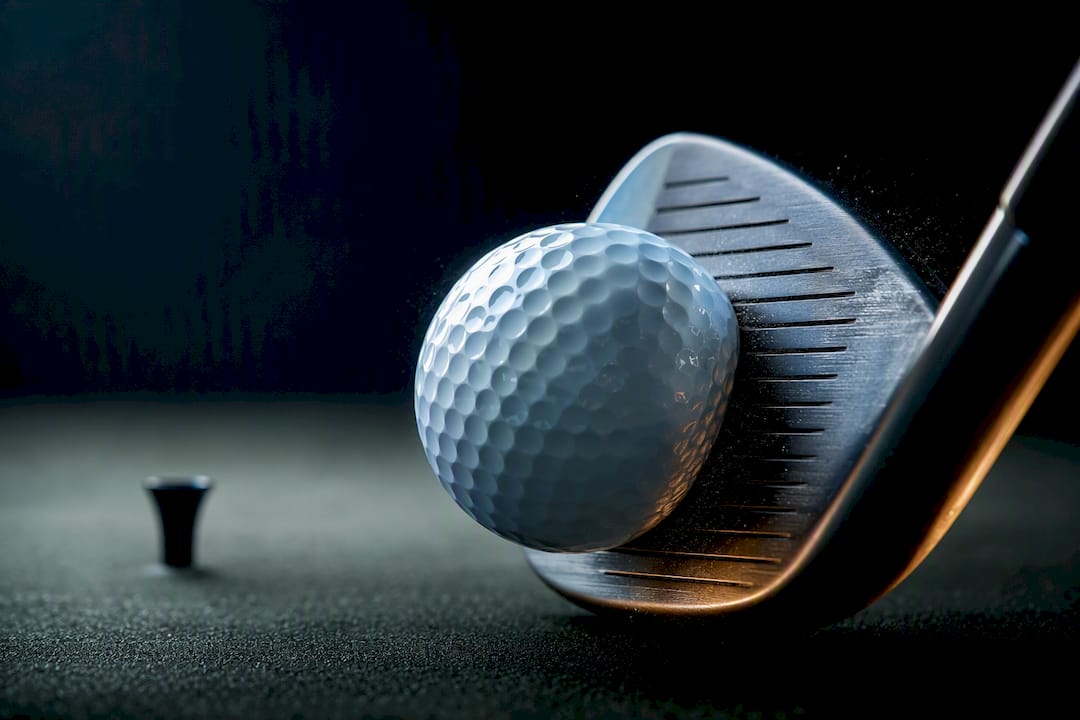
If your driver swing speed sits under 85 mph, start with a low-compression ball rated roughly 40 to 70. Between 85 and 105 mph, look toward mid-compression models in the 70 to 90 range. Above 105 mph, high-compression balls at 90 or higher will hold up best. Cover material and construction still shape the final pick, and some golf balls are built with the mid-to-high swing-speed golfer in mind.
TL;DR:
- Balls with compression ratings need to be matched carefully to swing speeds, with under 85 mph fitting low compression and over 105 mph suited for high compression.
- Manufacturer testing methods vary, so treating compression numbers as approximate guides and testing with sleeves before buying a dozen is essential.
- Correctly matching compression can recover up to 15 yards of carry if there is a mismatch, especially for swing speeds outside typical ranges.
- Feel and spin around the greens often matter more than compression for mid-swing-speed players, making cover material a priority in ball choice.
- Cold weather requires dropping compression levels by one band below normal to maintain distance and performance.
Table of Contents
- Golf Ball Compression Guide: Chart and Quick Reference
- What the Compression Number Actually Measures
- Compression vs. Swing Speed: Where the Ranges Overlap
- How Much Compression Really Matters When You Choose a Ball
- Testing Your Fit: From Launch Monitor to the Driving Range
- Weather and Altitude Change Your Effective Compression
- The Reasoning Behind This Compression Advice
- Try the Innovate Tour Performance Golf Balls
- Try Two Balls, Trust the Numbers
- Sources
- FAQ
Golf Ball Compression Guide: Chart and Quick Reference
Golf ball compression measures how much a ball’s core squeezes at impact, and every serious ball-fitting conversation starts with a chart like the one below. Think of it as a starting map, not a rulebook. The numbers tell you where to begin testing, and your own hands and a launch monitor tell you where to finish.
| Compression Band | Typical Range | Recommended Swing Speed | Feel and Effect |
|---|---|---|---|
| Low | 40–70 | Under 85 mph | Soft feel, higher launch, preserves ball speed on off-center hits |
| Mid | 70–90 | 85–100 mph | Balanced feel, moderate spin, works for a wide range of swings |
| High | 90+ | 100–105+ mph | Firmer feel, requires faster clubhead speed to compress fully |
A few habits make this chart genuinely useful instead of just decorative:
- Pick a neighborhood on the chart first, not a single number. Two balls both labeled “mid compression” can still feel noticeably different off the face.
- Buy a sleeve of two or three candidates before committing to a dozen. A $12 to $15 trial run beats a $50 mistake.
- Hit each candidate on the same day, same tee, same conditions. Weather shifts the numbers more than most golfers expect, a point worth remembering before you draw conclusions from one rainy Tuesday session.
One caveat matters more than any single row in that table: manufacturer compression numbers are not standardized, and one brand’s “70” can play like another’s “80.” The chart tells you where to start looking. It does not replace hitting the ball.
What the Compression Number Actually Measures
Compression describes how much a golf ball’s core deforms under load, expressed as a number that reflects energy transfer rather than hardness you can feel by squeezing the ball in your hand. A higher number means the core resists deformation more, which means it takes a faster, harder strike to compress the ball fully and release that stored energy as ball speed.
Here is the detail most golfers never hear: there is no single industry-wide standard for how manufacturers test and report compression ratings. One company’s testing rig and methodology can produce a different number than another’s for a ball that performs almost identically on the course. That is precisely why serious fitters talk in ranges and swing-speed bands instead of chasing an exact digit on the box.
A few practical takeaways follow from that reality:
- Treat any printed compression number as an approximation, not a lab-certified constant.
- Consumer compression testers, small handheld devices that measure core deflection, can help you compare balls you already own, but they will not perfectly match a manufacturer’s internal rating.
- Use these testers for relative comparison between two balls in your bag, not as a substitute for an on-course impression.
The number on the sleeve gets you in the right zip code. Your swing decides the exact address.
Compression vs. Swing Speed: Where the Ranges Overlap
The physics behind this pairing is unforgiving in one direction and forgiving in the other. If a ball’s compression is too high for your swing speed, the core never fully deforms at impact, and you lose energy transfer along with distance. If compression runs too low for a fast swing, the ball can over-compress and balloon into excess spin and an erratic launch, according to Golf Monthly’s breakdown of compression physics.
The practical bands look like this:
- Under 85 mph: Stick with low compression, roughly 40 to 70. Slower swings can’t generate enough force to compress a firmer core, so a softer ball preserves ball speed even on mishits.
- 85 to 100 mph: Mid compression, roughly 70 to 90, is the widest and most forgiving zone. Most recreational and mid-handicap golfers land here.
- 100 to 105+ mph: High compression, 90 and above, starts to make sense. Faster swings compress the core fully and unlock the distance the design promises.
Correcting a severe mismatch, such as a slow swinger playing a high-compression ball, can recover 5 to 15 yards of carry, based on fitting data from GolfLaunchLab’s ball-fitting research. That is a real number worth chasing if you know your swing speed is well outside the average range.
The overlap between bands exists on purpose. A 92-mph swinger sitting between mid and high compression should let short-game feel and spin preference break the tie, not the chart alone. Someone who spins the ball aggressively around the green might lean lower in the range for extra launch help; someone who wants a firmer, more penetrating flight might lean higher. Get the compression band wrong entirely, though, and you will notice it in three ways: shorter carry, a spin number that balloons on full shots, or a “dead” feel at impact that no amount of good contact fixes.

How Much Compression Really Matters When You Choose a Ball
Compression governs how efficiently your driver energy converts into ball speed. Cover material governs something almost entirely separate: how much the ball grips and spins on wedge and short-iron shots around the green. A urethane cover generates noticeably more greenside bite than an ionomer cover, largely independent of what the core compression rating says, a distinction detailed in Golf Blab’s urethane vs. ionomer breakdown.
That separation changes how much weight compression should carry in your decision:
- At the extremes, under 80 mph or over 105 mph, compression becomes the decisive factor. A serious mismatch there costs real yards.
- In the middle, roughly 85 to 100 mph, most balls perform within a yard or two of each other on full shots, according to DrCaddie’s analysis of energy transfer. Spin profile, short-game feel, and price end up deciding the winner more often than compression does.
So set your buying priorities accordingly. If you struggle with spin control and stopping power on approach shots, favor a urethane cover first and treat compression as a secondary filter. If distance and forgiveness on off-center drives matter more to your scores, prioritize matching compression to your swing speed and pick a durable, consistent construction underneath it.
Pro Tip: If you’re stuck between two compression bands, buy a sleeve of each and play nine holes with one, nine with the other. Your short game will tell you more in two hours than any spec sheet will.
Testing Your Fit: From Launch Monitor to the Driving Range
A proper launch-monitor session remains the most reliable way to confirm a compression match, but a simple range test gets you most of the way there for free.
- Book or borrow launch-monitor time and track clubhead speed, ball speed, smash factor, launch angle, and spin rate across five to ten drives per ball.
- Watch smash factor closely. A number noticeably below 1.48 with a driver often signals a compression mismatch rather than a swing flaw.
- Run the five-drive test if you don’t have monitor access. Hit five drives with each candidate ball, using an affordable radar unit if you have one, then throw out your best and worst swing and average the remaining three, a method BallCaddie recommends for at-home testing.
- Compare two balls head-to-head on the same day, same tee box, same wind direction.
- Choose feel over a marginal yardage gap. If the difference is a yard or two, but one ball feels dramatically better off the putter and wedges, take the feel.
Weather and Altitude Change Your Effective Compression
Cold air makes a golf ball’s core stiffer, which means it plays firmer than its printed rating suggests and often costs you carry distance on chilly mornings. Golf Monthly’s testing on temperature effects on compression backs a simple fix: drop one compression band when the temperature drops below 50°F, or keep your sleeve in a jacket pocket until you tee off.
A few other quick adjustments worth building into your routine:
- Altitude thins the air and reduces spin drag, so a ball already prone to ballooning can get away with a firmer core at elevation.
- Firm, dry turf rewards a ball built for lower spin off the tee; soft, wet turf can tolerate more spin without ballooning as much.
- Before a cold-weather round, squeeze the ball or hit a few practice putts to gauge whether it feels noticeably harder than usual.
The Reasoning Behind This Compression Advice
This guide leans on swing-speed banding because that is where the fitting evidence, from Golf Monthly’s physics breakdowns to GolfLaunchLab’s fitting data, consistently points. Compression ratings vary by manufacturer testing method, so ranges matter more than exact digits.
This framework aligns with instructional content and partnerships in golf, using swing-speed logic that shapes equipment recommendations. None of that replaces your own verification. Take any compression recommendation, including this one, and test it against a launch monitor or a simple range session before you commit to a dozen.
Try the Innovate Tour Performance Golf Balls
If your driver swing speed sits in the mid-to-high range, roughly 90 mph and up, the Innovate Tour Performance Golf Balls are built to match that compression zone directly. They’re constructed to reward a swing fast enough to compress a firmer core fully, translating that speed into carry distance rather than losing it to incomplete energy transfer.
The honest move is to test them the same way this guide recommends testing anything else: side by side against whatever you currently play, on the same day, tracking your own numbers and your own feel around the green. Grab a sleeve from the Innovate product page and run your own five-drive comparison before your next round. If the fit feels right off the tee and off the wedge, you’ll know within nine holes.

Try Two Balls, Trust the Numbers
Compression is one lever in a much bigger equipment-matching machine, not a magic answer by itself. My honest advice: buy a sleeve of a low-mid and a mid-high option, play them back to back over a few rounds, and let your smash factor and your short game settle the argument. The chart gets you started. Your own results finish the job.
— Michael Marini
Sources
- Golf Ball Compression Explained: What Should You Be Using? | Golf Monthly
- Golf Ball Fitting Guide 2026: How to Match the Right Ball to Your Game | GolfLaunchLab
- Golf Ball Compression Guide | MyGolfSpy
- Golf Ball Compression Explained: Optimizing Energy Transfer | DrCaddie
FAQ
What compression is best for a 100 mph swing speed?
A 100 mph driver swing speed sits right at the boundary between mid and high compression, so balls in the 70 to 90 range are usually the best starting point, adjusted based on whether you want more spin control or more firmness.
What happens if golf ball compression is too high for my swing?
The core won’t fully deform at impact, which means incomplete energy transfer, less ball speed, and lost distance, even though contact might feel solid.
What compression should I use for golf balls this year?
The swing-speed bands haven’t shifted: under 85 mph favors low compression, 85 to 100 mph favors mid compression, and 100 mph and above favors high compression, since these ranges are based on physics rather than model-year changes.
Is a 70 compression golf ball good for my game?
A 70-compression ball suits swing speeds in the 85 to 100 mph range well, offering a forgiving, soft feel for most recreational golfers, though the exact fit still depends on manufacturer variation and your own testing.