Posted on

Descubre cómo la LPGA impulsa el golf profesional femenino

Jugador de golf practicando su putt al caer la tarde en el campo

Más de 100,000 niñas participan cada año en programas juveniles de la LPGA. Eso no es un rumor ni una promesa vacía. Es la realidad de una organización que lleva décadas transformando el golf desde adentro. Si todavía piensas que el golf profesional femenino es un espacio exclusivo para unas pocas privilegiadas, te voy a demostrar que estás completamente equivocado. La LPGA no solo organiza torneos de alto nivel, sino que construye rutas de acceso hacia el profesionalismo para miles de jugadoras en todo el mundo, desde niñas que apenas sostienen un palo hasta competidoras de élite.

Tabla de contenidos

Puntos Clave

Punto Detalles
LPGA impulsa el golf femenino La organización implementa programas, torneos y vías profesionales que transforman el panorama del golf para mujeres y niñas.
Más de 100,000 niñas beneficiadas Los programas juveniles LPGA*USGA Girls Golf llegan a miles de nuevas golfistas cada año, fomentando el crecimiento deportivo.
Formación y comunidad LPGA Professionals fortalecen la educación de instructores y el sentido de comunidad entre golfistas de todos los niveles.
Acceso profesional claro Gracias a vías como el Epson Tour, el tránsito hacia el golf profesional femenino está bien estructurado y accesible.

El origen y misión de la LPGA

Tras la introducción del impacto de la LPGA, exploramos su origen y objetivo fundamental.

La LPGA, Ladies Professional Golf Association, fue fundada en 1950 por un grupo de trece mujeres que creían que el golf femenino merecía un espacio profesional propio. No tenían millones de dólares ni contratos de televisión. Tenían determinación, talento y una visión clara. Desde ese primer momento, la organización nació con una misión doble: crear oportunidades competitivas para las mejores jugadoras del mundo y, al mismo tiempo, hacer que el golf fuera accesible para todas las mujeres y niñas sin importar su origen.

Esa misión no ha cambiado. Lo que sí ha evolucionado es la escala y el impacto. Hoy, la LPGA opera en varios frentes simultáneamente, desde el circuito profesional de alto rendimiento hasta programas formativos que llegan a comunidades enteras. Esto es lo que hace que la organización sea tan relevante para cualquier persona que ama el golf.

Los pilares principales que sostienen la misión actual de la LPGA son:

  • LPGA Foundation: El brazo filantrópico que financia programas educativos y de desarrollo para mujeres y niñas.
  • Epson Tour: El circuito de desarrollo profesional que sirve como paso previo al tour principal.
  • LPGA*USGA Girls Golf: El programa juvenil más grande del golf femenino en Estados Unidos.
  • LPGA Professionals: La red de instructores certificados que llevan el juego a comunidades de todo el país.

“La LPGA Foundation, el Epson Tour y los programas juveniles LPGA*USGA Girls Golf están enfocados en desarrollar el talento y promover el juego entre mujeres.”

Lo que más me impresiona de esta estructura es que no trata el golf como un deporte de élite aislado. Hay una conexión real entre la niña que aprende a golpear una pelota en un programa comunitario y la jugadora profesional que compite por millones en un Major. Esa cadena de desarrollo es deliberada y funciona.

Si quieres entender mejor cómo estos programas se convierten en experiencias competitivas reales, nuestra guía de torneos LPGA te da una visión clara del circuito y sus formatos principales.

Desarrollo de talento: programas juveniles y vía profesional

Una vez entendido el propósito de la LPGA, veamos cómo materializa su misión en programas de formación concretos.

El dato es contundente: el programa Girls Golf impacta a más de 100,000 niñas cada año, abriendo caminos hacia el profesionalismo que antes simplemente no existían. Pero ¿cómo funciona exactamente esa ruta desde el programa juvenil hasta el tour profesional?

El camino suele verse así: una niña entra al programa LPGA*USGA Girls Golf, donde aprende las bases del juego en un ambiente seguro, divertido y sin presión. Con el tiempo, si desarrolla su talento y su pasión, puede avanzar hacia torneos amateur, luego al nivel universitario, y eventualmente acceder al Epson Tour, que es la antesala del tour principal.

Nivel Programa Objetivo principal
Juvenil LPGA*USGA Girls Golf Introducción al golf y valores deportivos
Amateur avanzado Torneos regionales y universitarios Desarrollo competitivo y técnico
Semiprofesional Epson Tour Clasificación al tour principal LPGA
Élite profesional LPGA Tour Competencia internacional de alto nivel

El Epson Tour merece especial atención. No es simplemente una liga menor. Es un sistema de desarrollo riguroso que prepara a las jugadoras para la presión y las exigencias del tour principal. Las jugadoras compiten por puntos que determinan su acceso a la LPGA Tour cada temporada. Esto crea una motivación constante y un nivel de competencia sorprendentemente alto.

Lo que pocas personas fuera del mundo del golf profesional entienden es que el Epson Tour también funciona como un filtro de madurez. No solo se trata de técnica. Las jugadoras aprenden a manejar el viaje constante, la presión financiera inicial, y la gestión mental que el golf de élite exige. Las que superan esos desafíos llegan al tour principal listas para competir de verdad.

Consejo profesional: Si tienes una hija o conoces a una niña interesada en el golf, involucrarla en un programa estructurado antes de los 12 años multiplica sus posibilidades de desarrollo. El acompañamiento temprano no solo mejora la técnica sino también la confianza y el amor por el juego. Nuestra guía de lecciones junior te explica exactamente cómo funciona ese proceso y qué buscar en un programa de calidad.

La conexión entre el desarrollo juvenil y el profesional no es accidental. La LPGA la diseñó así deliberadamente, y los resultados son evidentes en la calidad y diversidad de las jugadoras que hoy compiten en el tour principal.

La LPGA en el golf profesional: torneos, visibilidad y estándares

Ya conocemos el desarrollo del talento, ahora profundizamos en la presencia profesional de la LPGA.

La LPGA no solo organiza torneos. Establece estándares. Y eso marca una diferencia enorme. Cuando la LPGA estructura el circuito profesional, define expectativas que otras organizaciones de golf femenino en todo el mundo intentan replicar.

La directora del torneo LPGA está revisando las fechas del calendario para organizar el evento.

Los principales torneos del circuito incluyen los cinco Major del año: el ANA Inspiration, el KPMG Women’s PGA Championship, el U.S. Women’s Open, el AIG Women’s British Open y el Amundi Evian Championship. Cada uno tiene su propia historia, su campo icónico y su nivel de exigencia particular. Ganar un Major en la LPGA equivale a alcanzar la cima del golf mundial, sin excepción.

Más allá de los Majors, el circuito regular incluye más de 30 torneos anuales en diferentes países. Eso significa que las jugadoras compiten en Estados Unidos, Corea del Sur, Japón, Australia y Europa dentro de la misma temporada. La dimensión internacional de la LPGA es uno de sus atributos más poderosos.

Estos son algunos de los factores que han elevado los estándares del circuito en los últimos años:

  1. Aumento sostenido de los premios en dinero: Los bolsas totales del circuito LPGA han crecido significativamente, lo que atrae a las mejores jugadoras del mundo.
  2. Expansión de la cobertura televisiva y digital: Más torneos se transmiten en vivo, llegando a audiencias globales que antes no tenían acceso al golf femenino de élite.
  3. Incorporación de tecnología en la transmisión: Datos en tiempo real, análisis de swing y seguimiento GPS hacen que la experiencia del espectador sea más rica e informativa.
  4. Colaboraciones con marcas globales: Los patrocinadores de alto perfil validan el nivel competitivo y aumentan la visibilidad del deporte.

Comparar la LPGA con otras ligas internacionales también es revelador. El Ladies European Tour, la Japan LPGA y el Korea LPGA son circuitos respetables, pero ninguno tiene el alcance global ni la infraestructura de desarrollo que la LPGA ha construido durante más de 70 años.

Infografía sobre las principales ligas femeninas de golf y los programas más destacados

Circuito Alcance geográfico Torneos por temporada Programas juveniles
LPGA Tour Global 30 o más Sí, a gran escala
Ladies European Tour Europa y algunos internacionales 25 aproximadamente Limitados
Japan LPGA Japón principalmente 38 aproximadamente Moderados
Korea LPGA Corea del Sur principalmente 27 aproximadamente Moderados

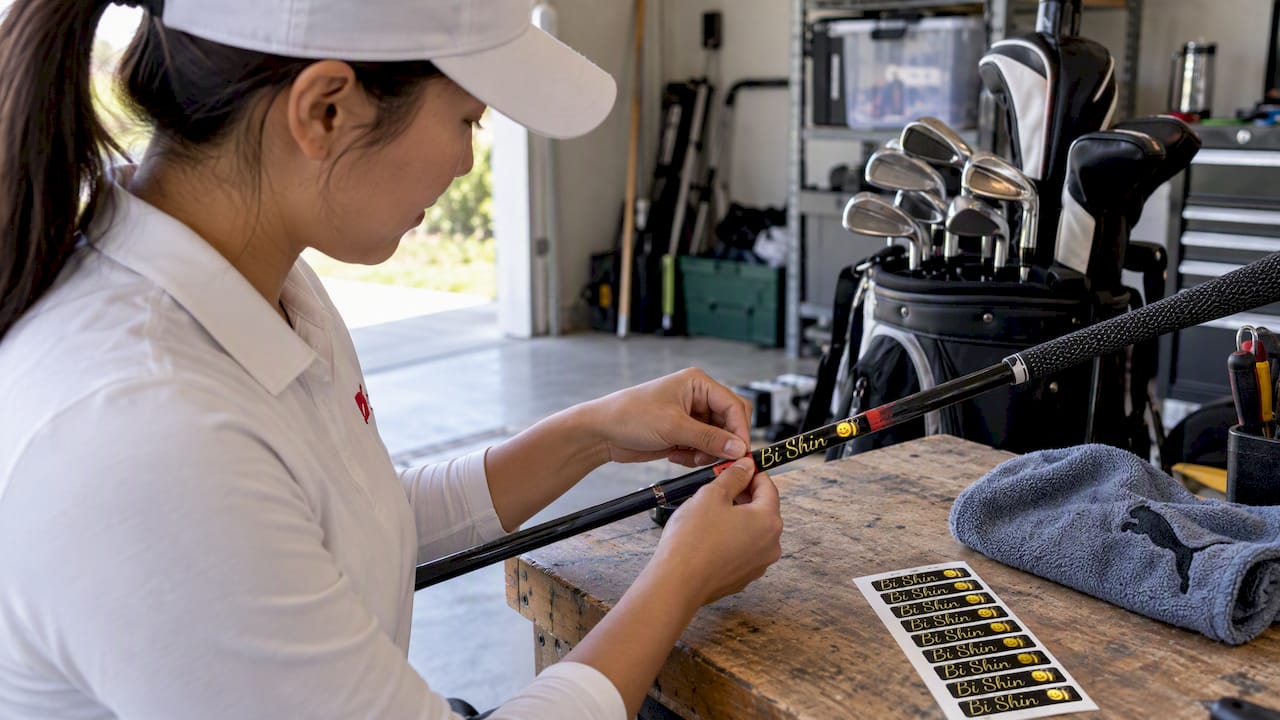
La personalización y la identidad personal también juegan un papel creciente en el golf profesional moderno. Las jugadoras de la LPGA se preocupan cada vez más por su presencia en cancha, y el equipamiento refleja esa evolución. Si te interesa ese aspecto, lee sobre la personalización en golf profesional y cómo está cambiando la experiencia del juego.

Por supuesto, todo este nivel competitivo se rige por reglas básicas del golf que todo aficionado serio debe conocer, desde el amateur que entrena hasta quien sigue el circuito profesional.

Educación y comunidad: el papel de LPGA Professionals

Después de los torneos profesionales, exploremos la labor educativa continua de la LPGA.

Hay un aspecto de la LPGA que muchos aficionados desconocen por completo: su red de instructores certificados. LPGA Professionals impulsan la educación y el crecimiento del juego mediante formación especializada que va mucho más allá de simplemente enseñar a golpear una pelota.

Un instructor certificado por LPGA Professionals no es cualquier persona con experiencia jugando. Para obtener esa certificación, los instructores pasan por un proceso riguroso que incluye evaluaciones técnicas, formación pedagógica y desarrollo de habilidades para enseñar a jugadoras de todos los niveles: desde principiantes absolutas hasta competidoras avanzadas.

Lo que distingue a esta red de instructores es su enfoque integral. No solo enseñan mecánica de swing, aunque eso es parte esencial. También forman a sus alumnas en estrategia de campo, manejo mental, y la cultura y etiqueta del golf. Eso crea jugadoras más completas y, honestamente, más agradables de compartir en la cancha.

Las ventajas de trabajar con un instructor certificado LPGA incluyen:

  • Metodología probada: Los instructores aplican técnicas validadas por la organización más importante del golf femenino mundial.
  • Adaptabilidad a todos los niveles: Saben exactamente cómo ajustar la enseñanza para principiantes, intermedias y jugadoras avanzadas.
  • Valores comunitarios: El programa promueve activamente la inclusión, el respeto y la participación diversa en el golf.
  • Red de recursos: Los instructores tienen acceso a materiales, actualizaciones y soporte continuo de la organización central.
  • Conexión con programas mayores: Muchos instructores certificados tienen vínculos directos con programas Girls Golf y eventos del circuito.

Consejo profesional: Cuando busques un instructor de golf, verifica si tiene certificación de LPGA Professionals. Esa credencial garantiza que esa persona ha pasado por un proceso serio de formación y no solo tiene “experiencia empírica.” La diferencia en la calidad de la enseñanza es notable y real.

La comunidad que crean estos instructores también tiene un valor incalculable. El golf puede ser un deporte solitario e intimidante para quienes se inician. Un instructor certificado LPGA no solo enseña técnica sino que te integra a una comunidad de apoyo que hace el proceso mucho más sostenible.

Si quieres mejorar tu mecánica desde la base, empieza por dominar tu postura efectiva en golf, que es el fundamento sobre el que se construye todo lo demás. Y si estás buscando un camino estructurado con garantía de resultados, nuestras lecciones de golf garantizadas son exactamente lo que necesitas para avanzar sin perder tiempo ni dinero en métodos que no funcionan.

La visión única: cómo la LPGA está redefiniendo el futuro del golf

Tras analizar la educación LPGA, ahora compartimos una visión que va más allá de la práctica común.

Aquí te digo algo que los medios tradicionales de golf raramente admiten: el modelo de la LPGA está haciendo al golf más relevante que cualquier otra liga o circuito en este momento. Y lo está logrando precisamente porque invierte en la base, no solo en la cima.

El enfoque tradicional del golf profesional asume que el talento se descubre solo. La LPGA rechaza esa idea completamente. Su apuesta por programas juveniles masivos, instructores certificados y un circuito de desarrollo estructurado demuestra que el talento no basta si no hay infraestructura que lo acompañe.

Personalmente, creo que la lección más importante que la LPGA ofrece al mundo del golf no es deportiva sino filosófica. Diversidad e inclusión no son solo palabras bonitas en un comunicado de prensa. Son estrategias de crecimiento reales. Un deporte que solo atrae a ciertos perfiles de jugadoras se estanca. Uno que abre sus puertas genuinamente, crece.

Cualquier jugador, hombre o mujer, que quiera mejorar su juego puede aprender algo del enfoque LPGA: el desarrollo sostenible requiere paciencia, estructura y comunidad. Si aplicas eso a tu guía práctica para mejorar el swing, verás resultados que los métodos improvisados nunca te darán.

Conecta con el golf profesional: recursos y productos para potenciar tu juego

Después de examinar la visión editorial, te damos opciones para avanzar en tu desarrollo golfista.

¿Listo para llevar tu juego al siguiente nivel? En Golf Blab tenemos exactamente lo que necesitas, sin importar si eres principiante o llevas años en la cancha. Desde etiquetas personalizadas de palos que reflejan tu estilo personal hasta recursos educativos diseñados para jugadoras junior y adultas.

https://golf-blab.com

Si tienes niños interesados en iniciar su camino, nuestra guía para lecciones junior te explica paso a paso cómo estructurar ese proceso. Y si tú quieres mejorar tu propio juego con un método que realmente funcione, te prometemos resultados con nuestras lecciones fáciles con garantía. No hay excusas para quedarte estancado cuando tienes recursos reales al alcance de la mano.

Preguntas frecuentes

¿Cómo puede una jugadora acceder al circuito profesional de la LPGA?

La vía principal es el Epson Tour, que funciona como sistema de clasificación y acceso directo a la liga profesional, con puntos que determinan el ascenso cada temporada.

¿Qué programas juveniles ofrece la LPGA y cuántas niñas impacta?

El programa LPGA*USGA Girls Golf impacta a más de 100,000 niñas al año, promoviendo el desarrollo deportivo desde la infancia con un enfoque accesible e inclusivo.

¿Cómo ayuda la LPGA en la formación y educación de instructores?

LPGA Professionals ofrece capacitación especializada para instructores, fortaleciendo el aprendizaje técnico, pedagógico y los valores comunitarios del golf femenino.

¿En qué se diferencia la LPGA de otras ligas de golf profesional?

La LPGA organiza un circuito exclusivo para mujeres con programas de formación únicos que ningún otro circuito profesional femenino replica a la misma escala global.

¿Dónde puedo encontrar recursos o productos para mejorar mi juego?

Puedes encontrar etiquetas personalizadas, lecciones estructuradas y guías completas en Golf Blab, con opciones diseñadas tanto para jugadoras junior como para adultos que quieren avanzar con método.

Recomendación

Posted on

What a golf coach really does for your game

Golf coach teaching swing at driving range


TL;DR:

  • Qualified coaches build structured, goal-oriented plans to fix bad habits and develop fundamentals.
  • Coaching enhances mental toughness, course strategy, and decision-making for competitive success.
  • Technology supports coaching with detailed feedback, but human judgment remains essential for strategy and mental resilience.

Most golfers believe they can figure it out on their own. Hit enough balls, watch enough YouTube videos, and eventually the game clicks. That’s a comforting idea, but it’s mostly wrong. The naked truth is that unguided repetition often just bakes bad habits deeper into your swing. A qualified golf coach doesn’t just fix your grip or your stance. They build a structured path from wherever you are right now to wherever you want to go, whether that means breaking 90 for the first time, earning a college scholarship, or competing at a high level. Here’s what that journey actually looks like.

Table of Contents

Key Takeaways

Point Details
Coaching accelerates growth A golf coach provides structured guidance proven to raise skills and confidence faster than self-led practice.
Mental game is essential Coaches help players develop the resilience and focus required for success in competition and beyond.
Technology complements coaching AI and digital tools offer valuable feedback but are most effective alongside expert human coaching.
Preparation matters for all levels From juniors to competitors, tailored coaching improves fundamentals, mental toughness, and game strategy.

Foundations of coaching: Building skills and fundamentals

After years of watching golfers spin their wheels on the range, one thing becomes clear: the players who improve fastest are not the ones who practice the most. They’re the ones who practice with a plan. That’s exactly what a coach provides from day one.

For juniors and beginners, the structure matters even more. Coaches use proven frameworks to teach golf in a logical sequence rather than overwhelming new players with too much information at once. One well-respected model is the Operation 36 system, which breaks scoring milestones into achievable stages. Instead of throwing a 9-year-old onto a 500-yard par 5 and hoping for the best, the model starts players at 25 yards from the hole and builds outward as skills develop. It’s the kind of methodical thinking that self-teaching rarely produces.

Programs built around this kind of framework, like the Seahawk Juniors camp for ages 7 to 12, have demonstrated real results. Some structured coaching programs report 95% college placement success for their participants. That’s not a coincidence. It reflects what happens when young athletes develop coachability, mental toughness, and consistent fundamentals early on.

Group lessons and camps also do something individual practice cannot: they put players in a social learning environment. Kids watch each other, compete in friendly challenges, and learn how to handle small failures in front of others. That kind of resilience is something you simply cannot develop alone on a driving range. Our junior golf lessons guide covers how to find programs structured this way, with workflows parents and players can actually use.

There’s also the question of what gets built when no coach is involved. Self-taught golfers often develop compensations. A slightly off grip leads to an adjusted swing path, which leads to a rerouted downswing, and before long the whole motion is a patchwork of workarounds. A coach sees the root cause and addresses it before those workarounds become permanent. If you want to understand more about why early coaching matters so deeply, take a look at why juniors take golf lessons and what it does for their confidence long-term.

Here’s a quick comparison of what self-taught progress looks like versus coach-guided development:

Factor Self-taught Coach-guided
Skill sequence Random, gap-heavy Structured, logical progression
Feedback Delayed or absent Immediate and targeted
Mental toughness Inconsistent Intentionally developed
College recruitment readiness Unpredictable Strategically prepared
Long-term bad habits Common Caught and corrected early

Key benefits coaches provide at the foundational stage:

  • Identifying the root cause of swing problems rather than surface symptoms
  • Building physical fundamentals before adding complexity
  • Developing a growth mindset through structured challenge
  • Teaching course etiquette, rules, and tournament-ready behavior
  • Creating realistic, measurable benchmarks for progress

If you want access to structured content that supports your development at any level, the Golf Blab learning center is a great place to start exploring.

Preparing for competition: Tournament strategies and mental edge

Once a player has solid fundamentals, the coach’s job shifts. Now it’s about preparing them to perform under pressure, in real tournaments, where the stakes are real and the nerves are very real too.

Tournament preparation is not just about shooting low numbers in practice. Coaches teach course management and strategy, which means helping players understand when to attack a pin and when to play to the fat part of the green. That decision-making instinct doesn’t come naturally. It’s taught through repetition, scenario planning, and honest conversations after bad rounds.

For college-level athletes, the coaching role expands even further. College coaches are responsible for NCAA compliance and eligibility monitoring, scheduling tournaments, and identifying prospects who have the right combination of academics and character. What recruiters often say is that they’re not just looking for the best ball-strikers. They’re looking for players who handle pressure well, who communicate with teammates, and who show up prepared. A good coach builds all of those qualities intentionally.

Here’s a look at what effective pre-tournament preparation includes:

Element What it involves
Course strategy Mapping out attack zones, avoiding trouble
Mental routine Pre-shot routine, breathing, focus cues
Physical preparation Warm-up protocols, flexibility, energy management
Rules knowledge Understanding penalties, local rules, pace of play
Emotional regulation Managing frustration, staying in the present

A practical pre-tournament checklist a coach might walk players through:

  1. Review the course layout and identify high-risk holes
  2. Establish a consistent pre-shot routine and commit to it
  3. Set a game plan for scoring, not perfection
  4. Sleep, nutrition, and hydration protocols for the day before
  5. Warm-up session covering short game, irons, and driver in sequence
  6. Identify one or two swing thoughts only, not a full technical checklist
  7. Post-round debrief to evaluate decisions, not just scores

Pro Tip: Your coach should help you create a personal pre-shot routine that you practice off the course, not just on it. The routine should be simple enough to execute when you’re nervous on the first tee with people watching.

“A great competitor is not someone who never feels pressure. They’re someone who has been prepared to perform inside it.” This is exactly what consistent coaching builds over time.

For tactical approaches to lowering your score before you even step onto the course, our golf strategy tips break down the decision-making frameworks that better players use every round.

Deliberate practice: Feedback, targets, and progressive difficulty

Here’s something most golfers get completely wrong. They think practice means hitting balls until their hands hurt. Real practice is something very different, and a coach is the person who makes the difference between the two.

Deliberate practice requires specific targets, immediate feedback, and progressive difficulty. Without all three, you’re just rehearsing what you already know. Banging 200 drivers with no specific intention doesn’t build skill. It reinforces whatever you’re already doing, good or bad.

This is where a coach’s real value shows up on a daily basis. They watch your misses with a trained eye and give you a correction you can apply on the very next rep. Not tomorrow. Right now. That immediacy is what accelerates learning. Research on error encouragement in coaching shows that structured errors, meaning mistakes made on purpose within a drill, lead to faster long-term improvement than overly cautious practice that avoids failure.

Golfer and coach review swing feedback outdoors

Progressive difficulty is the other piece most players miss. A coach doesn’t let you get comfortable. Once you’re hitting a drill at 80% success rate, they make it harder. A smaller target, a tighter time window, a different lie. This keeps your nervous system engaged and forces real adaptation, not just mechanical repetition.

Here’s what deliberate practice looks like in practice:

  • Chip to a specific target circle, not just “near the hole”
  • Practice putting with one eye closed to sharpen feel
  • Hit approach shots to a specific yardage window, not just the green
  • Use a limited number of balls per drill to increase focus per shot
  • Work on the shots you struggle with most, not the ones that feel good

Pro Tip: Ask your coach to design your range sessions with a specific number of intentional “misses” built in. Practicing how to handle and correct errors in a safe setting makes you far more resilient when they happen on the course.

Good golf practice routines look nothing like what most recreational players do. If you want to build golf consistency that holds up under pressure, the structure a coach provides is what gets you there. And if you can’t always make it to the course, you can still work intentionally with the right golf practice at home strategies your coach recommends.

Modern tools: AI, technology, and evolving coaching methods

Golf coaching in 2026 looks different than it did even five years ago. Technology has entered the picture in a big way, and the best coaches know how to use it without losing the human element that makes coaching irreplaceable.

Infographic of golf coaching main benefits

Motion capture systems can now analyze your swing frame by frame, tracking every angle, speed, and position in real time. AI-powered apps like GOATY and others provide rep-by-rep feedback density that no human coach can physically match during a long practice session. If you hit 150 balls in an hour, a coach cannot verbally comment on every single one. An AI tool can. That volume of feedback is genuinely useful for reinforcing specific positions and movements.

But here’s what AI cannot do. It cannot read your body language when you’re mentally checked out. It cannot adjust your training plan based on a conversation about what’s happening in your personal life. It cannot make the strategic call that a certain shot shape suits your tendencies better than the technically “correct” one. Those things require human judgment and real relationship.

The smartest players use technology as a support layer, not a replacement. A few tools worth knowing about:

  • Video analysis apps: Let you compare your swing to a reference model frame by frame
  • AI swing feedback platforms: Give real-time data on swing path, face angle, and tempo
  • Digital score tracking: Identifies patterns in where you lose strokes over time
  • Launch monitors: Measure ball speed, spin rate, and carry distance for precise feedback
  • Wearable sensors: Track tempo, grip pressure, and rotation for data-driven adjustments

Pro Tip: When your coach uses a launch monitor or video analysis tool in a session, ask them to explain what the data means for your specific game, not just what the numbers say in isolation. Context is everything.

One often overlooked way technology enhances the coaching experience is through equipment personalization. When a coach helps you understand your numbers, it becomes easier to make smart decisions about club selection and setup. Exploring options for golf club personalization is a natural next step when you know what your data actually shows.

The combination of an experienced coach and the right technology creates a feedback loop that neither can produce alone. AI provides the volume. The coach provides the wisdom.

Why effective golf coaching is more than technique

Here at Golf Blab, we’ve seen a lot of players cycle through coaches, chase the latest swing theory, and still plateau after years of effort. The ones who make a genuine breakthrough almost always credit something beyond mechanics. They talk about a coach who believed in them before they believed in themselves. A mentor who reframed a bad tournament round as data rather than failure.

That’s the part of coaching that rarely gets discussed. A great coach builds resilience. They teach you to make decisions under pressure and trust your instincts when it counts. That adaptability doesn’t disappear when a lesson ends. It becomes part of how you approach the game forever.

Even experienced, low-handicap players benefit from outside guidance. When you’re inside your own head, patterns become invisible. A coach sees what you can’t. We believe this so strongly that we think every golfer, at every level, deserves access to structured, honest coaching that prioritizes long-term development over quick fixes. Take a look at how coaching builds confidence in juniors to see just how deep that impact runs from an early age.

The decision-making habits, the mental toughness, the ability to bounce back from a double bogey without spiraling: these are not accident. They are taught.

Connect with the right coach and next-level resources

You’ve seen what a qualified coach actually does, and it’s a lot more than fixing your backswing. The next step is finding the right structure to support your improvement consistently.

https://golf-blab.com

At Golf Blab, we’ve built resources specifically for players who are serious about getting better without wasting years spinning in circles. Whether you’re looking for foundational lessons, competitive prep tools, or a way to sharpen your game from home, we have you covered. Our easy golf lessons come with a money-back guarantee, because we’re confident in the method. For broader resources, guides, and tools to support your development, explore the full Golf Blab learning center and take the next step on your terms.

Frequently asked questions

What exactly does a golf coach do?

A golf coach develops your skills, creates personalized training plans, and prepares you mentally and strategically for play and competition. Programs using models like Operation 36 have demonstrated 95% college placement success for junior participants who receive structured coaching from an early age.

Why do competitive golfers need a coach?

Coaches provide structure, feedback, and tournament strategies that individual practice often cannot match, leading to better outcomes in high-pressure competition. This includes course management and fitness guidance alongside academic and character development for collegiate prospects.

Can technology or AI replace a human golf coach?

AI tools give detailed feedback, but only a coach can guide your mental game, adapt strategy, and respond to your unique needs in real time. Research confirms that AI supplements human coaching for rep-by-rep density, while humans remain essential for strategy and mental preparation.

How does a coach help junior golfers succeed in college placements?

Coaches build core skills, emphasize mental readiness, and provide guidance on navigating recruiting and eligibility for collegiate golf. Structured junior programs using Operation 36 fundamentals and PGA Junior League frameworks report exceptional placement rates for their graduates.

Posted on

Golf Pro Tips: Practical Advice to Elevate Your Game

Golf pro teaching stance on practice range


TL;DR:

  • Professional golf advice is based on evidence, tailored to your level, and focused on fundamentals.
  • Mastering basics like grip, stance, and swing mechanics leads to measurable game improvement.
  • Consistent, purposeful practice and the right gear, combined with mental strategies, are key to progress.

Most golfers assume pro advice is reserved for tournament players or scratch handicappers with years of experience under their belt. That’s a misconception worth challenging. The truth is, the tips that pros teach are built on simple, repeatable principles that work for anyone willing to apply them. Whether you’re a weekend warrior struggling with your swing or an aspiring amateur trying to break 90, real pro guidance can change the way you think about the game. This guide breaks down what makes professional instruction so effective, which fundamentals matter most, and how to practice smarter starting today.

Table of Contents

Key Takeaways

Point Details
Pro advice drives faster improvement Golf pro tips produce measurable results by focusing on fundamentals and structured routines.
Fundamentals are non-negotiable Mastering grip, stance, and swing mechanics sets the stage for real progress.
Consistency trumps intensity Regular practice routines, even short ones, are far more effective than sporadic effort.
Personalized gear offers a performance edge The right clubs and equipment can boost your confidence and help you play your best.
Mindset matters Adopting a pro-level mindset helps you make the most of technical and practical advice.

What makes a golf pro’s advice so effective

Here’s something most amateur golfers don’t realize: a tip from your playing partner and a tip from a trained golf professional are not the same thing. Not even close. Your buddy might mean well, but they’re guessing. A pro has spent thousands of hours on the range, on the course, and in structured instruction learning what actually works across different skill levels, body types, and playing styles.

Experience-based instruction produces measurable results precisely because it’s grounded in observation, repetition, and feedback. Pros don’t just tell you what to fix. They explain why it’s happening and how to address it in a way your body can actually absorb. That’s the difference.

Infographic showing pro golf advice benefits

Let’s put it side by side:

Factor Amateur advice Pro advice
Source of knowledge Personal experience Formal training + real-world coaching
Accuracy Hit or miss Evidence-based and tested
Personalization Generic Tailored to your swing and goals
Improvement timeline Unpredictable Structured and measurable
Long-term value Often creates bad habits Builds lasting fundamentals

Common misconceptions about pro tips include the idea that they’re too technical, too expensive, or only relevant once you’ve already reached a certain level. None of that is true. The best pro advice simplifies things rather than complicating them.

Here’s what genuinely separates real pro guidance from the noise:

  • It addresses the root cause, not just the symptom
  • It’s repeatable across different conditions and courses
  • It gives you a mental framework, not just a mechanical fix
  • It’s honest about what takes time versus what can be fixed quickly
  • It doesn’t overwhelm you with a dozen things to think about during your swing

For consistent golf play, you need advice that holds up under pressure, not just on the practice green.

Pro Tip: When evaluating any golf tip, ask yourself, is this coming from someone who has coached multiple skill levels with documented results? If not, take it with a grain of salt.

Core fundamentals every golf pro teaches

If you’ve ever taken a lesson from a real pro, you’ll notice they rarely jump straight to advanced topics. They almost always circle back to the basics. Why? Because fundamentals are the foundation everything else is built on.

Golf pros consistently emphasize fundamentals like stance, grip, and swing mechanics because those elements directly determine ball flight, accuracy, and consistency. Fix the grip and you fix the slice. Fix the stance and you fix the inconsistency. It really is that connected.

Here are the core fundamentals every serious pro will walk you through:

  1. Grip: Your hands are the only contact point with the club. A neutral grip allows the face to square naturally at impact without you having to manipulate the club.
  2. Stance and alignment: Your feet, hips, and shoulders should align parallel to your target line. Even a small misalignment causes big misses.
  3. Posture: Athletic posture, with a slight bend from the hips and soft knees, lets your body rotate freely through the swing.
  4. Ball position: Different clubs require different ball positions. Getting this wrong affects trajectory and contact every single time.
  5. Swing plane: The club should travel on a consistent arc relative to your body angle. Deviations cause thin shots, fat shots, and everything in between.
  6. Tempo: You don’t have to swing hard to hit far. Smooth tempo creates better contact and more distance than brute force.

Let’s look at what mastering these fundamentals can realistically do for your game:

Skill area Average amateur result After pro instruction
Driving accuracy 40-50% fairways hit Up to 65-70% fairways hit
Greens in regulation 20-30% 40-55% with consistent fundamentals
Average putts per round 36+ Can drop to 30-32 with alignment work
Handicap index 18-24 10-15 after 3-6 months of structured work

Those numbers represent real progress. Not overnight, but steady and sustainable. Take the Swing Like a Pro challenge if you want to see how your swing stacks up right now. And if you’re wondering how to build on those skills without leaving home, there are solid ways to practice golf at home that reinforce everything a pro teaches.

Knowing the fundamentals is one thing. Building them into your muscle memory is another. This is where structured practice comes in. Most golfers spend their range time just hitting ball after ball with no real plan. Pros practice differently. They practice with purpose.

Golfer writing practice log outdoors

Structured practice routines help maximize improvement and maintain consistency because they force you to focus on specific outcomes rather than just going through the motions.

Here are the top drills pros consistently recommend:

  • Mirror drill for posture: Stand in front of a mirror and rehearse your setup. Check your spine angle, knee flex, and shoulder alignment. Do this before every session.
  • Alignment stick drill: Place two sticks on the ground, one for your feet and one for the target line. Hit shots while checking your alignment. Simple and brutally effective.
  • Chipping gate drill: Set up two tees just wider than your clubhead and practice chipping through the gate. This trains precise, clean contact.
  • One-handed putting: Putt with only your lead hand for 10 minutes. It teaches feel, control, and eliminates tension in your stroke.
  • Pause-at-the-top drill: Swing to the top, pause for one second, then complete the downswing. This eliminates rushing and builds sequencing.
  • Short game scoring practice: Chip and putt from five different spots around the green. Keep score. Create pressure in practice so real pressure feels familiar.

“The golfers who improve fastest are never the ones who hit the most balls. They’re the ones who practice with a clear intention every single session.” — Golf Blab instructor

Pro Tip: Keep a simple practice log. After each session, write down what you worked on, what felt better, and one thing to focus on next time. You’ll be amazed how much faster you improve when you review your own progress.

For a deeper look at how to structure your sessions week to week, explore home golf practice strategies that pros actually recommend. Consistency in practice, not just volume, is what separates players who plateau from those who keep getting better.

Gear, club selection, and the latest pro recommendations

Here’s a truth most golfers don’t hear often enough: the wrong equipment can undermine even the best swing. Pros know this. That’s why they pay careful attention to how clubs are fitted, weighted, and customized for each player’s unique mechanics.

Golf pros emphasize customizing clubs for your playing style and skill level because a club that doesn’t match your swing creates compensations that are nearly impossible to coach out.

Factors pros consider when recommending gear:

  • Shaft flex: Too stiff and you lose distance. Too flexible and you lose control. Your swing speed determines the right flex.
  • Club length: Even a half-inch difference can affect your posture and contact consistency.
  • Grip size: Oversized grips reduce wrist action. Undersized grips increase it. Both affect ball flight.
  • Loft and lie angle: These two variables affect launch angle and direction. Off-the-shelf clubs are built for an average golfer. You may not be average.
  • Club labeling and personalization: Knowing exactly which club you’re grabbing in high-pressure moments reduces hesitation and builds confidence.

Let’s compare what you get off the rack versus what a personalized setup offers:

Feature Off-the-rack clubs Personalized clubs
Fit to your swing No Yes
Shaft flex matched Rarely Always
Lie angle adjusted Rarely Standard
Grip size suited to hands No Yes
Confidence factor Low to moderate High

Beyond fit, golf club personalization has become one of the most exciting trends in the game. Custom labels, engraving, and color-coded identification make your bag feel like yours, and that psychological ownership matters more than people admit. When you know your gear, you trust your gear. For help navigating your options from scratch, this choosing golf clubs guide walks you through the decisions without overcomplicating things.

The real power of golf pro tips: what most amateurs miss

After decades of watching golfers of all levels struggle and improve, here’s what we’ve come to believe at Golf Blab: technique is only half the battle. The other half is mindset and course management, and most amateurs completely ignore it.

You can have a textbook swing and still shoot an 85 because of poor decision-making on the course. Pros don’t just teach mechanics. They teach you how to think under pressure, how to manage a bad hole without letting it ruin three more, and how to trust your practice when it counts.

Golf pros often combine technical instruction with mental and motivational coaching because they know the brain gives up before the body does. Achieving consistent results requires both.

“The golfer who manages their emotions manages their scorecard.”

Pro Tip: Before every round, set one mental intention, not a score goal, but a process goal. Something like: stay calm after bogeys, or commit to every club selection. That single shift changes how you play.

Stop chasing tips that only fix your swing. Start paying attention to what’s happening between your ears. That’s where lasting improvement lives.

Ready to learn from golf pros? Take your next step

Golf Blab exists for exactly this reason: to connect everyday golfers with pro-level knowledge, tools, and personalized solutions that actually move the needle. You don’t have to guess your way to a better game.

https://golf-blab.com

Start with our easy golf lessons that come backed by a money-back guarantee, because we believe that strongly in what proper instruction can do for your game. Want something more exclusive? You can play golf with a tour pro and get course-side insight that no YouTube video can replicate. And when you’re ready to make your bag truly yours, explore our custom golf club labels to add that personalized confidence to every shot you take.

Frequently asked questions

What is the best golf pro tip for beginners?

Focus on mastering your grip and stance before worrying about advanced techniques. These two elements form the basis for consistent swings and every other skill you build from there.

Aim for at least three short practice sessions per week to see steady improvement. Regular practice is the single most reliable driver of skill retention and progress.

Do I need personalized clubs to benefit from pro tips?

Personalized clubs can sharpen your performance, but technique always comes first for beginners. Custom clubs are beneficial but are not a prerequisite for learning the game.

How can I access professional golf lessons online?

Golf Blab offers online lessons and challenges led by professionals that are accessible from anywhere, without needing to book time at a private club.