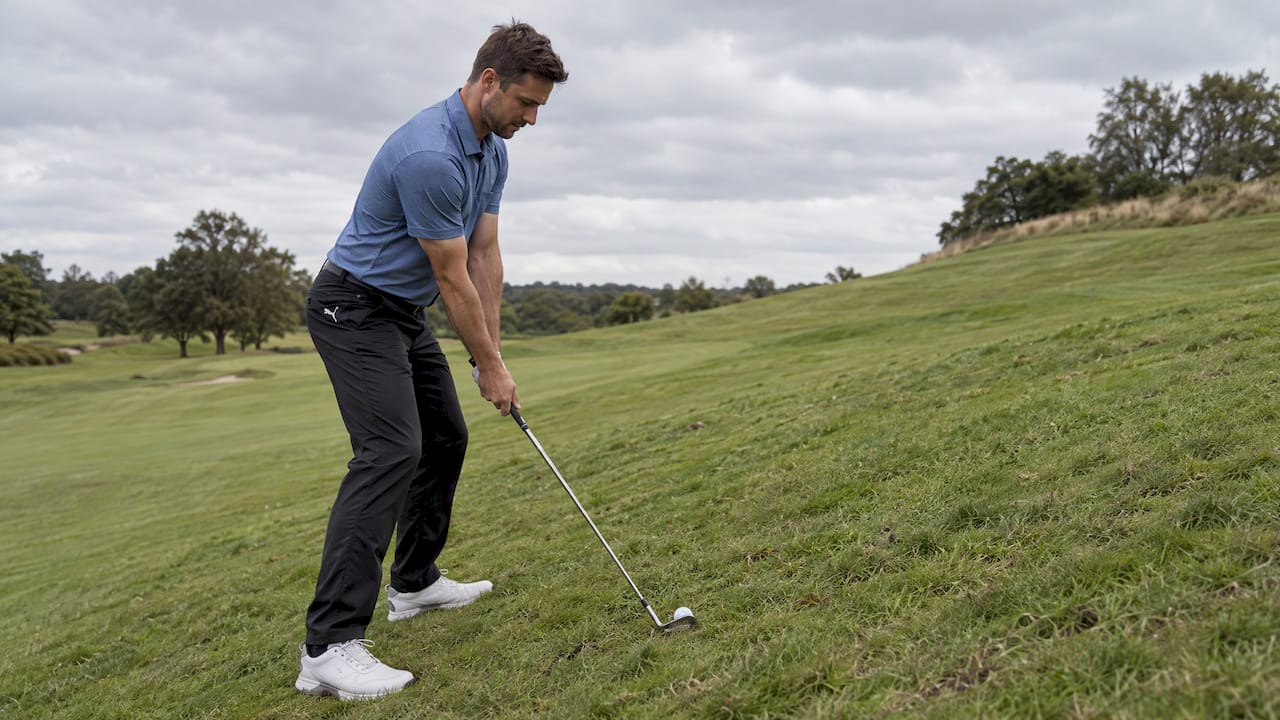
Posted on

Golf Etiquette: Your Step-by-Step Guide to Playing Right

Golfers getting ready outside clubhouse


TL;DR:

  • Golf etiquette is vital for respect, pace, safety, and course preservation.
  • Proper preparation and observing seasoned players help build good habits and confidence.
  • Displaying good etiquette enhances reputation, invites better play experiences, and fosters trust.

You walk up to the first tee, excited, ready to play. Then you accidentally talk during someone’s backswing. The whole group goes quiet. The looks you get say everything. That moment of awkwardness is something every golfer has experienced at least once, and it stings. The good news? It’s completely avoidable. Golf etiquette isn’t some stuffy rulebook invented to make the game feel exclusive. It’s the backbone of every great round, and once you understand it, you’ll feel at home on any course in the world.

Table of Contents

Key Takeaways

Point Details
Respect sets the tone Practicing etiquette shows respect for others, the course, and yourself.
Preparation is key Arriving ready and informed leads to a smoother, more enjoyable round.
Follow step-by-step Adhering to core etiquette steps makes the game better for all players.
Habits build reputation Consistent etiquette habits earn trust and enhance your experience.

Why etiquette matters in golf

Let’s be honest about something. Golf is one of the few sports where players are expected to police themselves. There’s no referee standing over your shoulder. No instant replay. Just you, your playing partners, and an unspoken agreement to treat the game and each other with respect. That’s why etiquette carries so much weight here.

“Golf is unique in that it relies on the integrity of the individual to show consideration for other players and to abide by the rules.” This isn’t just a nice sentiment. It’s the foundation the game is built on.

When etiquette breaks down, everyone feels it. Slow play backs up the entire course. Loud conversations ruin concentration. Unrepaired divots and ball marks make the course worse for every player who comes after you. These aren’t small inconveniences. They chip away at the experience for everyone.

The golf rules basics that most players learn early on go hand in hand with etiquette. You can’t really separate the two. The USGA and R&A, the governing bodies of golf worldwide, are clear that pace, care, and safety are the top priorities every golfer should embrace.

Here’s what that looks like in practice:

  • Pace of play: Keep up with the group ahead of you, not just the group behind you.
  • Course care: Fix your divots, repair your ball marks, and rake bunkers after you use them.
  • Safety: Never hit until you’re certain no one is within range of your shot.
  • Respect for others: Stay quiet and still when someone is addressing the ball or swinging.
  • Honesty: Call penalties on yourself, even when no one is watching.

These aren’t complicated. But they require awareness and intention, especially when you’re newer to the game or caught up in your own score.

Having established why etiquette is crucial, let’s look at what you need to know before heading out for a round.

Getting ready: Preparation and essentials

Here’s something a lot of golfers overlook. Etiquette starts before you ever set foot on the first tee. How you prepare says a lot about how you’ll play. Showing up unprepared, scrambling for gear, or arriving just in time for your tee time puts you behind before the round even begins.

Preparation and readiness are key to good etiquette and smooth play. Think of it this way: if you’re flustered and rushed, you’re already in a mindset that leads to mistakes, both in your game and in your conduct.

Here’s a simple checklist to run through before every round:

  • Clubs (check your bag the night before, not in the parking lot)
  • Balls (bring more than you think you’ll need)
  • Tees, ball markers, and a divot repair tool
  • Glove, sunscreen, and water
  • Course-appropriate attire (collared shirt, proper golf shorts or pants)
  • A printed or digital copy of the local rules

Speaking of attire, most courses have dress codes, and ignoring them is one of the fastest ways to start a round on the wrong foot. Some clubs require collared shirts. Others prohibit denim. A quick call to the pro shop or a visit to the course website before you go will save you from an embarrassing conversation at the entrance.

Preparation step Why it matters When to do it
Pack your bag Avoid delays at the course The night before
Arrive 30 minutes early Time to warm up and check in Day of play
Review local rules Know course-specific expectations Before teeing off
Check dress code Avoid being turned away Before leaving home
Warm up on the range Ready to play from hole one 15 to 20 minutes before

When you’re thinking about choosing golf clubs for your bag, factor in the type of course you’re playing. A well-organized bag also speeds up play because you’re not digging around for the right club while your group waits.

Pro Tip: Arrive at least 30 minutes before your tee time. Use that time to warm up, hit a few putts, and get your head in the game. Players who rush to the first tee cold are more likely to play slowly and make avoidable mistakes.

Mental preparation matters too. If you’re playing a new course, look it up ahead of time. Know the expected pace of play. Understand whether carts are required or optional. Check if there are any unique local rules. The golf learning center at Golf Blab is a great place to build that kind of foundational knowledge before you play.

Preparation ensures you’re ready to respect both the course and fellow players. Now, let’s walk through the key etiquette rules for each stage of play.

On the course: Etiquette in action step-by-step

This is where it all comes together. You can know every rule in the book, but etiquette only counts when you actually apply it in the moment. Here’s a step-by-step breakdown of what proper conduct looks like from the first tee to the final putt.

  1. On the tee box: Stand still and stay quiet when someone is teeing off. Don’t stand directly behind the player or in their line of sight. The player with the lowest score on the previous hole hits first (this is called “honor”). If you’re playing casually, just agree on an order and stick to it.

  2. In the fairway: Be ready to play when it’s your turn. Don’t spend five minutes deciding on a club while everyone waits. Walk briskly between shots. Leave your bag or cart on the side of the green closest to the next tee so you can move quickly after putting out.

  3. In the rough or hazards: If your ball is lost or you’re not sure where it landed, play a provisional ball immediately rather than walking all the way to the area and then walking back. This saves enormous amounts of time.

  4. On the green: Mark your ball when it’s in another player’s line. Repair your ball mark and any others you see nearby. Don’t walk across another player’s putting line. Stand out of the player’s peripheral vision when they’re putting.

  5. After each hole: Record your score while walking to the next tee, not while standing on the green. Clear the green quickly so the group behind you can play.

The golf strategy tips that help you score better often overlap with good etiquette. Playing smart, decisive golf is faster golf. And faster golf is more respectful golf.

Golfers practicing etiquette on fairway

Common mistake Correct action
Talking during someone’s swing Stay silent until the ball is struck
Leaving divots unrepaired Carry a divot tool and fix marks immediately
Standing on the green after putting out Walk to the next tee promptly
Searching for a lost ball for more than 3 minutes Play a provisional and move on
Dragging feet across the green Lift your feet to avoid spike marks

Pace, care, and safety are universally agreed-upon etiquette priorities. And when you look at that comparison table, you can see how each mistake directly violates at least one of those three pillars.

Infographic summarizes golf etiquette steps

Pro Tip: If your group is falling behind the group ahead of you, pick up the pace immediately. You don’t need to rush your swing, just move faster between shots. That’s where most of the time is lost.

Mastering these steps helps you play confidently, but mistakes can happen. Here’s how to handle missteps appropriately.

Handling mistakes and building good habits

Nobody gets etiquette perfect every time. Not even experienced players. The difference between a golfer who earns respect and one who doesn’t often comes down to how they handle their mistakes, not whether they make them.

Acknowledging mistakes and showing respect are central to golf’s values. So if you accidentally talk during someone’s backswing, apologize quickly and sincerely. Don’t over-explain or make it a big production. A simple “Sorry about that” and moving on is exactly the right response. Dwelling on it makes things more awkward, not less.

Here’s how to recover gracefully from common etiquette slips:

  • Talking during a swing: Apologize once, then let it go.
  • Forgetting to repair a ball mark: Go back and fix it as soon as you realize.
  • Accidentally stepping in someone’s putting line: Acknowledge it and offer to let them re-putt if needed.
  • Hitting into the group ahead: Wave to signal your apology, and wait longer before hitting next time.
  • Slow play: Acknowledge it, offer to pick up your ball and take a bogey if needed to keep pace.

Building consistent golf habits is how etiquette becomes second nature. The first few rounds where you’re actively thinking about all of this will feel like a lot. But after a while, repairing your ball mark becomes as automatic as replacing your divot. You won’t even think about it.

“The most respected golfers aren’t always the ones with the lowest handicaps. They’re the ones who make every round better for the people they play with.”

One of the best ways to accelerate your etiquette education is to play with more experienced golfers and pay attention. Watch how they handle slow play. Notice how they position themselves on the green. Observe how they interact with the group behind them. You’ll pick up more in one round with a seasoned player than you will from reading any guide, including this one.

Working on proper golf posture and your physical game naturally leads to faster, more confident play, which is itself a form of good etiquette. When you’re not struggling with your swing, you spend less time over the ball and more time enjoying the round.

With etiquette skills and the right habits, you become more respected and enjoy the game more.

Our take: Why etiquette is the golfer’s greatest tool

Here’s something we believe deeply at Golf Blab, and it’s not something you’ll hear from every corner of the golf world. Your etiquette on the course will outlast your score. People forget what you shot. They never forget how you made them feel during a round.

We’ve seen talented players get quietly disinvited from groups because they were slow, rude, or careless on the course. And we’ve seen high-handicappers become the most sought-after playing partners simply because they were a joy to be around. That’s the naked truth about golf culture. Your reputation is built shot by shot, yes, but it’s cemented by how you carry yourself between shots.

The traditional golf world sometimes treats etiquette like a gatekeeping mechanism, a way to make newcomers feel unwelcome or out of place. We think that’s completely backwards. Etiquette should be taught early, explained clearly, and embraced as a tool that makes the game better for everyone. Not a secret code that only the initiated understand.

When you commit to good etiquette, something interesting happens. You start getting invited to better courses. You get paired with better players. You earn trust, and trust opens doors in golf that a low handicap alone never will. The golfer who plays fast, repairs their marks, stays quiet during swings, and handles mistakes with grace is the golfer everyone wants in their group.

Think about mastering golf basics as the foundation of your game. Etiquette is the foundation of your golf identity. And unlike your swing, which can have an off day, your conduct is entirely within your control every single time you play.

Level up your golf game at Golf Blab

Ready to continue your etiquette journey? Here’s how Golf Blab can help you go further.

At Golf Blab, we’ve built a platform specifically for golfers who want to play better and feel more confident on the course. Whether you’re just starting out or you’ve been playing for years, we have resources that meet you where you are.

https://golf-blab.com

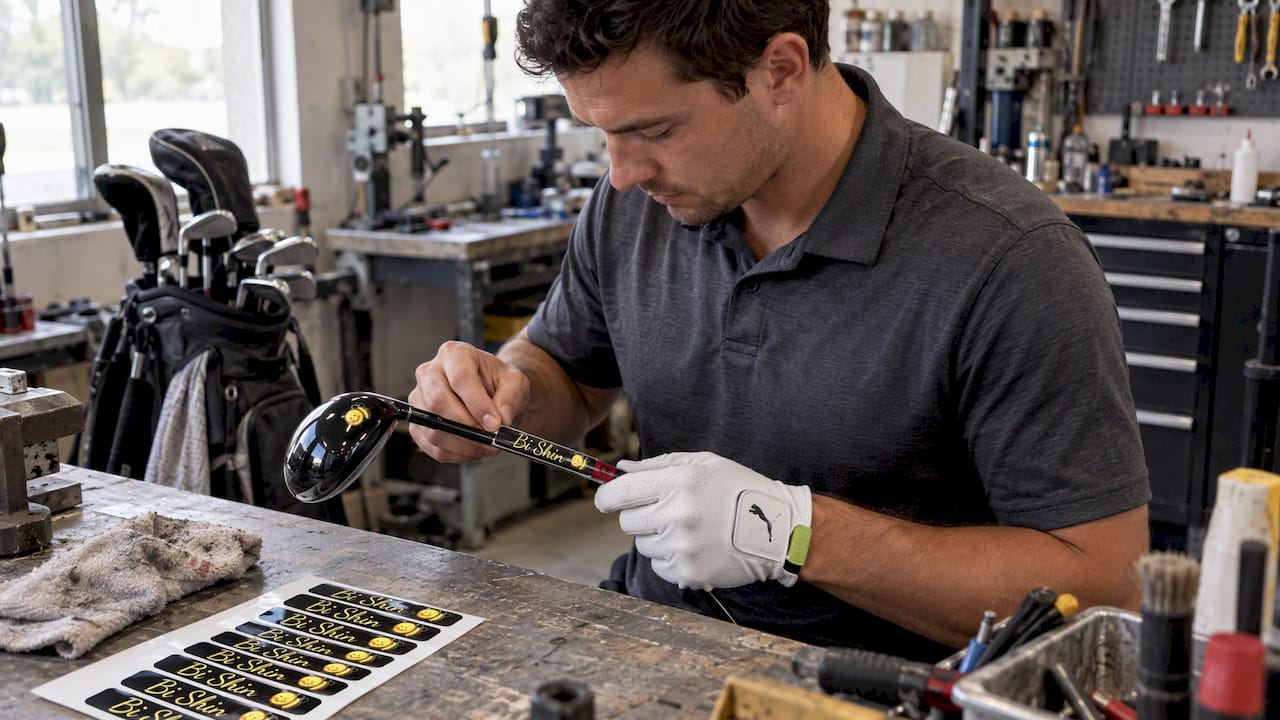
Explore our golf rules explained guides to deepen your understanding of the rules that go hand in hand with etiquette. Check out our strategy tips to play smarter, faster rounds that your playing partners will appreciate. And browse our personalized gear, from custom club labels to performance balls and branded apparel, to bring your best self to every tee box. Golf Blab is your partner from the first tee to the 18th green.

Frequently asked questions

Why is pace of play so important in golf etiquette?

Pace of play is a top etiquette priority because slow rounds affect every group on the course, not just yours. Keeping up with the group ahead ensures everyone has an enjoyable, timely experience.

What should I do if I accidentally break an etiquette rule?

Acknowledging mistakes and showing respect matter most, so apologize briefly, correct the situation if you can, and use it as a learning moment rather than dwelling on it.

How do I know if a course has special etiquette rules?

Check the scorecard when you pick it up, ask a staff member in the pro shop, or review any posted local rules near the first tee before your round begins.

What is the best way to learn golf etiquette as a beginner?

Preparation and continuous learning are key, so start by reading trusted guides, observing experienced golfers during your rounds, and practicing the habits consistently until they feel natural.

Posted on

What is Golf Swing Automation?

Golf does not ask you to run fast or jump high or even remotely resemble a fit athlete. Throwing a 98-mph fastball requires natural-born athletic talent. Hitting a ball with a stick when the ball is not even moving does not. If you can stand there and do it wrong, you can absolutely stand there and do it like any professional golfer. But how?

Golf teachers believe the way to get there is to mimic the intricate swing movements of professional golfers. But humans cannot reliably mimic a one-second, full-body, high-speed movement. The notion that you can get your golf scores lower if you just “put in the work” and strive at golf swing mimicry for a few years is absolutely nuts. Every swing is a brand-new swing on a blank canvas. You do not get good swings tomorrow because you made a few good swings today, and muscles do not remember anything. They’re just muscles.

So how does one actually improve at golf? First, accept that golf swing mimicry will get you nowhere. All golf lessons, golf swing drills, golf swing apps, strap on devices, and training aids are based on mimicry. No disrespect intended, but it does not work. It never has. And it never will.

Second, understand that you have to start at the start. You have to understand how the professional golfer’s swing is formed at inception, meaning which muscles and body parts are initially engaged by the golfer in the process of hitting the ball.

And third, understand that once the swing is started by the professional golfer, the golfer is not consciously directing their movements. Their movements have become automated. Because if the golf swing did not self-automate, there would be no professional golfers.

So, to answer the question, you have to automate your golf swing and get it to function like a professional golfer’s swing. In this scenario, you opt out of golf swing mimicry, and you opt in to swinging freely and fluidly, except now your swing checks all the golf teacher boxes and you are having more fun than you ever dreamed possible.

At Golf Blab, I have an online golf lesson called Golf Swing Automation. It teaches you how the professional golf swing is formed at its inception and how it self-automates through impact. And gives you the kind of golf swing that golf teachers fawn over.

Golf Swing Automation WORKS! Results come today, not after years of practice. We teach you how to automate driving, chipping and putting in four minutes flat. Not with things you can go work on. But with things that work NOW! And it comes with a 100% money-back guarantee. If you do not get crazy good at golf, I will refund your money no questions asked. Now that is a golf lesson and an offer that everyone can get behind. Take me there!

Posted on

Descubre cómo la LPGA impulsa el golf profesional femenino

Jugador de golf practicando su putt al caer la tarde en el campo

Más de 100,000 niñas participan cada año en programas juveniles de la LPGA. Eso no es un rumor ni una promesa vacía. Es la realidad de una organización que lleva décadas transformando el golf desde adentro. Si todavía piensas que el golf profesional femenino es un espacio exclusivo para unas pocas privilegiadas, te voy a demostrar que estás completamente equivocado. La LPGA no solo organiza torneos de alto nivel, sino que construye rutas de acceso hacia el profesionalismo para miles de jugadoras en todo el mundo, desde niñas que apenas sostienen un palo hasta competidoras de élite.

Tabla de contenidos

Puntos Clave

Punto Detalles
LPGA impulsa el golf femenino La organización implementa programas, torneos y vías profesionales que transforman el panorama del golf para mujeres y niñas.
Más de 100,000 niñas beneficiadas Los programas juveniles LPGA*USGA Girls Golf llegan a miles de nuevas golfistas cada año, fomentando el crecimiento deportivo.
Formación y comunidad LPGA Professionals fortalecen la educación de instructores y el sentido de comunidad entre golfistas de todos los niveles.
Acceso profesional claro Gracias a vías como el Epson Tour, el tránsito hacia el golf profesional femenino está bien estructurado y accesible.

El origen y misión de la LPGA

Tras la introducción del impacto de la LPGA, exploramos su origen y objetivo fundamental.

La LPGA, Ladies Professional Golf Association, fue fundada en 1950 por un grupo de trece mujeres que creían que el golf femenino merecía un espacio profesional propio. No tenían millones de dólares ni contratos de televisión. Tenían determinación, talento y una visión clara. Desde ese primer momento, la organización nació con una misión doble: crear oportunidades competitivas para las mejores jugadoras del mundo y, al mismo tiempo, hacer que el golf fuera accesible para todas las mujeres y niñas sin importar su origen.

Esa misión no ha cambiado. Lo que sí ha evolucionado es la escala y el impacto. Hoy, la LPGA opera en varios frentes simultáneamente, desde el circuito profesional de alto rendimiento hasta programas formativos que llegan a comunidades enteras. Esto es lo que hace que la organización sea tan relevante para cualquier persona que ama el golf.

Los pilares principales que sostienen la misión actual de la LPGA son:

  • LPGA Foundation: El brazo filantrópico que financia programas educativos y de desarrollo para mujeres y niñas.
  • Epson Tour: El circuito de desarrollo profesional que sirve como paso previo al tour principal.
  • LPGA*USGA Girls Golf: El programa juvenil más grande del golf femenino en Estados Unidos.
  • LPGA Professionals: La red de instructores certificados que llevan el juego a comunidades de todo el país.

“La LPGA Foundation, el Epson Tour y los programas juveniles LPGA*USGA Girls Golf están enfocados en desarrollar el talento y promover el juego entre mujeres.”

Lo que más me impresiona de esta estructura es que no trata el golf como un deporte de élite aislado. Hay una conexión real entre la niña que aprende a golpear una pelota en un programa comunitario y la jugadora profesional que compite por millones en un Major. Esa cadena de desarrollo es deliberada y funciona.

Si quieres entender mejor cómo estos programas se convierten en experiencias competitivas reales, nuestra guía de torneos LPGA te da una visión clara del circuito y sus formatos principales.

Desarrollo de talento: programas juveniles y vía profesional

Una vez entendido el propósito de la LPGA, veamos cómo materializa su misión en programas de formación concretos.

El dato es contundente: el programa Girls Golf impacta a más de 100,000 niñas cada año, abriendo caminos hacia el profesionalismo que antes simplemente no existían. Pero ¿cómo funciona exactamente esa ruta desde el programa juvenil hasta el tour profesional?

El camino suele verse así: una niña entra al programa LPGA*USGA Girls Golf, donde aprende las bases del juego en un ambiente seguro, divertido y sin presión. Con el tiempo, si desarrolla su talento y su pasión, puede avanzar hacia torneos amateur, luego al nivel universitario, y eventualmente acceder al Epson Tour, que es la antesala del tour principal.

Nivel Programa Objetivo principal
Juvenil LPGA*USGA Girls Golf Introducción al golf y valores deportivos
Amateur avanzado Torneos regionales y universitarios Desarrollo competitivo y técnico
Semiprofesional Epson Tour Clasificación al tour principal LPGA
Élite profesional LPGA Tour Competencia internacional de alto nivel

El Epson Tour merece especial atención. No es simplemente una liga menor. Es un sistema de desarrollo riguroso que prepara a las jugadoras para la presión y las exigencias del tour principal. Las jugadoras compiten por puntos que determinan su acceso a la LPGA Tour cada temporada. Esto crea una motivación constante y un nivel de competencia sorprendentemente alto.

Lo que pocas personas fuera del mundo del golf profesional entienden es que el Epson Tour también funciona como un filtro de madurez. No solo se trata de técnica. Las jugadoras aprenden a manejar el viaje constante, la presión financiera inicial, y la gestión mental que el golf de élite exige. Las que superan esos desafíos llegan al tour principal listas para competir de verdad.

Consejo profesional: Si tienes una hija o conoces a una niña interesada en el golf, involucrarla en un programa estructurado antes de los 12 años multiplica sus posibilidades de desarrollo. El acompañamiento temprano no solo mejora la técnica sino también la confianza y el amor por el juego. Nuestra guía de lecciones junior te explica exactamente cómo funciona ese proceso y qué buscar en un programa de calidad.

La conexión entre el desarrollo juvenil y el profesional no es accidental. La LPGA la diseñó así deliberadamente, y los resultados son evidentes en la calidad y diversidad de las jugadoras que hoy compiten en el tour principal.

La LPGA en el golf profesional: torneos, visibilidad y estándares

Ya conocemos el desarrollo del talento, ahora profundizamos en la presencia profesional de la LPGA.

La LPGA no solo organiza torneos. Establece estándares. Y eso marca una diferencia enorme. Cuando la LPGA estructura el circuito profesional, define expectativas que otras organizaciones de golf femenino en todo el mundo intentan replicar.

La directora del torneo LPGA está revisando las fechas del calendario para organizar el evento.

Los principales torneos del circuito incluyen los cinco Major del año: el ANA Inspiration, el KPMG Women’s PGA Championship, el U.S. Women’s Open, el AIG Women’s British Open y el Amundi Evian Championship. Cada uno tiene su propia historia, su campo icónico y su nivel de exigencia particular. Ganar un Major en la LPGA equivale a alcanzar la cima del golf mundial, sin excepción.

Más allá de los Majors, el circuito regular incluye más de 30 torneos anuales en diferentes países. Eso significa que las jugadoras compiten en Estados Unidos, Corea del Sur, Japón, Australia y Europa dentro de la misma temporada. La dimensión internacional de la LPGA es uno de sus atributos más poderosos.

Estos son algunos de los factores que han elevado los estándares del circuito en los últimos años:

  1. Aumento sostenido de los premios en dinero: Los bolsas totales del circuito LPGA han crecido significativamente, lo que atrae a las mejores jugadoras del mundo.
  2. Expansión de la cobertura televisiva y digital: Más torneos se transmiten en vivo, llegando a audiencias globales que antes no tenían acceso al golf femenino de élite.
  3. Incorporación de tecnología en la transmisión: Datos en tiempo real, análisis de swing y seguimiento GPS hacen que la experiencia del espectador sea más rica e informativa.
  4. Colaboraciones con marcas globales: Los patrocinadores de alto perfil validan el nivel competitivo y aumentan la visibilidad del deporte.

Comparar la LPGA con otras ligas internacionales también es revelador. El Ladies European Tour, la Japan LPGA y el Korea LPGA son circuitos respetables, pero ninguno tiene el alcance global ni la infraestructura de desarrollo que la LPGA ha construido durante más de 70 años.

Infografía sobre las principales ligas femeninas de golf y los programas más destacados

Circuito Alcance geográfico Torneos por temporada Programas juveniles
LPGA Tour Global 30 o más Sí, a gran escala
Ladies European Tour Europa y algunos internacionales 25 aproximadamente Limitados
Japan LPGA Japón principalmente 38 aproximadamente Moderados
Korea LPGA Corea del Sur principalmente 27 aproximadamente Moderados

La personalización y la identidad personal también juegan un papel creciente en el golf profesional moderno. Las jugadoras de la LPGA se preocupan cada vez más por su presencia en cancha, y el equipamiento refleja esa evolución. Si te interesa ese aspecto, lee sobre la personalización en golf profesional y cómo está cambiando la experiencia del juego.

Por supuesto, todo este nivel competitivo se rige por reglas básicas del golf que todo aficionado serio debe conocer, desde el amateur que entrena hasta quien sigue el circuito profesional.

Educación y comunidad: el papel de LPGA Professionals

Después de los torneos profesionales, exploremos la labor educativa continua de la LPGA.

Hay un aspecto de la LPGA que muchos aficionados desconocen por completo: su red de instructores certificados. LPGA Professionals impulsan la educación y el crecimiento del juego mediante formación especializada que va mucho más allá de simplemente enseñar a golpear una pelota.

Un instructor certificado por LPGA Professionals no es cualquier persona con experiencia jugando. Para obtener esa certificación, los instructores pasan por un proceso riguroso que incluye evaluaciones técnicas, formación pedagógica y desarrollo de habilidades para enseñar a jugadoras de todos los niveles: desde principiantes absolutas hasta competidoras avanzadas.

Lo que distingue a esta red de instructores es su enfoque integral. No solo enseñan mecánica de swing, aunque eso es parte esencial. También forman a sus alumnas en estrategia de campo, manejo mental, y la cultura y etiqueta del golf. Eso crea jugadoras más completas y, honestamente, más agradables de compartir en la cancha.

Las ventajas de trabajar con un instructor certificado LPGA incluyen:

  • Metodología probada: Los instructores aplican técnicas validadas por la organización más importante del golf femenino mundial.
  • Adaptabilidad a todos los niveles: Saben exactamente cómo ajustar la enseñanza para principiantes, intermedias y jugadoras avanzadas.
  • Valores comunitarios: El programa promueve activamente la inclusión, el respeto y la participación diversa en el golf.
  • Red de recursos: Los instructores tienen acceso a materiales, actualizaciones y soporte continuo de la organización central.
  • Conexión con programas mayores: Muchos instructores certificados tienen vínculos directos con programas Girls Golf y eventos del circuito.

Consejo profesional: Cuando busques un instructor de golf, verifica si tiene certificación de LPGA Professionals. Esa credencial garantiza que esa persona ha pasado por un proceso serio de formación y no solo tiene “experiencia empírica.” La diferencia en la calidad de la enseñanza es notable y real.

La comunidad que crean estos instructores también tiene un valor incalculable. El golf puede ser un deporte solitario e intimidante para quienes se inician. Un instructor certificado LPGA no solo enseña técnica sino que te integra a una comunidad de apoyo que hace el proceso mucho más sostenible.

Si quieres mejorar tu mecánica desde la base, empieza por dominar tu postura efectiva en golf, que es el fundamento sobre el que se construye todo lo demás. Y si estás buscando un camino estructurado con garantía de resultados, nuestras lecciones de golf garantizadas son exactamente lo que necesitas para avanzar sin perder tiempo ni dinero en métodos que no funcionan.

La visión única: cómo la LPGA está redefiniendo el futuro del golf

Tras analizar la educación LPGA, ahora compartimos una visión que va más allá de la práctica común.

Aquí te digo algo que los medios tradicionales de golf raramente admiten: el modelo de la LPGA está haciendo al golf más relevante que cualquier otra liga o circuito en este momento. Y lo está logrando precisamente porque invierte en la base, no solo en la cima.

El enfoque tradicional del golf profesional asume que el talento se descubre solo. La LPGA rechaza esa idea completamente. Su apuesta por programas juveniles masivos, instructores certificados y un circuito de desarrollo estructurado demuestra que el talento no basta si no hay infraestructura que lo acompañe.

Personalmente, creo que la lección más importante que la LPGA ofrece al mundo del golf no es deportiva sino filosófica. Diversidad e inclusión no son solo palabras bonitas en un comunicado de prensa. Son estrategias de crecimiento reales. Un deporte que solo atrae a ciertos perfiles de jugadoras se estanca. Uno que abre sus puertas genuinamente, crece.

Cualquier jugador, hombre o mujer, que quiera mejorar su juego puede aprender algo del enfoque LPGA: el desarrollo sostenible requiere paciencia, estructura y comunidad. Si aplicas eso a tu guía práctica para mejorar el swing, verás resultados que los métodos improvisados nunca te darán.

Conecta con el golf profesional: recursos y productos para potenciar tu juego

Después de examinar la visión editorial, te damos opciones para avanzar en tu desarrollo golfista.

¿Listo para llevar tu juego al siguiente nivel? En Golf Blab tenemos exactamente lo que necesitas, sin importar si eres principiante o llevas años en la cancha. Desde etiquetas personalizadas de palos que reflejan tu estilo personal hasta recursos educativos diseñados para jugadoras junior y adultas.

https://golf-blab.com

Si tienes niños interesados en iniciar su camino, nuestra guía para lecciones junior te explica paso a paso cómo estructurar ese proceso. Y si tú quieres mejorar tu propio juego con un método que realmente funcione, te prometemos resultados con nuestras lecciones fáciles con garantía. No hay excusas para quedarte estancado cuando tienes recursos reales al alcance de la mano.

Preguntas frecuentes

¿Cómo puede una jugadora acceder al circuito profesional de la LPGA?

La vía principal es el Epson Tour, que funciona como sistema de clasificación y acceso directo a la liga profesional, con puntos que determinan el ascenso cada temporada.

¿Qué programas juveniles ofrece la LPGA y cuántas niñas impacta?

El programa LPGA*USGA Girls Golf impacta a más de 100,000 niñas al año, promoviendo el desarrollo deportivo desde la infancia con un enfoque accesible e inclusivo.

¿Cómo ayuda la LPGA en la formación y educación de instructores?

LPGA Professionals ofrece capacitación especializada para instructores, fortaleciendo el aprendizaje técnico, pedagógico y los valores comunitarios del golf femenino.

¿En qué se diferencia la LPGA de otras ligas de golf profesional?

La LPGA organiza un circuito exclusivo para mujeres con programas de formación únicos que ningún otro circuito profesional femenino replica a la misma escala global.

¿Dónde puedo encontrar recursos o productos para mejorar mi juego?

Puedes encontrar etiquetas personalizadas, lecciones estructuradas y guías completas en Golf Blab, con opciones diseñadas tanto para jugadoras junior como para adultos que quieren avanzar con método.

Recomendación