Posted on

Find the best golf lessons for kids: types, benefits, and tips

Kids practicing golf on sunny park green


TL;DR:

  • Choosing the right golf lesson format depends on your child’s personality, goals, and learning style to foster confidence and skill. Private lessons offer personalized feedback, while group sessions promote social interaction and fun, and camps provide immersive skill-building experiences. Understanding your child’s needs and preferences ensures a positive, engaging golf journey that encourages ongoing love for the game.

There are more ways to teach a kid golf than most parents ever realize, and that variety is exactly what makes picking the right format so important. Walk into any golf facility and you might see private one-on-one coaching, lively group clinics, week-long summer camps, and even virtual sessions on a screen. Each one shapes your child’s experience, confidence, and love for the game in completely different ways. The format you choose matters just as much as the instructor’s credentials. Get it right, and your child will be begging to go back. Get it wrong, and golf feels like a chore before they’ve even hit their third bucket of balls.

Table of Contents

Key Takeaways

Point Details
Understand lesson formats Private, group, camp, and specialty formats each offer unique benefits for junior golfers.
Match the lesson to your child Choosing a lesson type that fits your child’s personality and goals leads to better outcomes and more enjoyment.
Sample before you commit Many programs offer trial lessons—use them to find the right teaching style without long-term commitment.
Skills and confidence grow together The right lesson supports both improvement in golf skills and boosts self-esteem in young players.

How to choose the right golf lessons for kids

Now that you understand why the lesson type matters, let’s look at what to consider before making a choice.

The most common mistake parents make is picking lessons based on price or convenience alone. Those things matter, sure. But if the format doesn’t match your child’s personality and goals, you’re going to hit a wall fast. Golf lessons help build confidence and key athletic skills in juniors, but only when the environment feels right to the child.

Here’s what to honestly evaluate before you sign your kid up for anything:

  • Skill level and age: A 6-year-old needs a completely different structure than a 12-year-old who has been swinging clubs for two years. Younger kids need short, activity-driven sessions. Older beginners can handle more instruction.
  • Learning style: Does your child absorb information by watching, by doing, or by talking it through? Some kids need hands-on repetition. Others respond to visual demonstration or storytelling.
  • Primary goal: Is your child chasing competition? Looking for a fun summer activity? Wanting to play with family? The goal shapes which format delivers the most value.
  • Group size tolerance: Some kids shrink in large groups and bloom one-on-one. Others find private lessons awkward and prefer the energy of peers around them.
  • Instructor experience with juniors: Teaching adults and teaching kids are not the same skill. Ask specifically about the coach’s background with younger learners.
  • Schedule fit: Weekly lessons require consistent commitment. Camps are intensive but short. Virtual sessions offer flexibility. Be honest about what your family can actually maintain.

Take a look at the parents’ guide to junior lessons for a detailed breakdown of how to structure your child’s early golf journey before committing to any program.

Pro Tip: Many facilities offer a single trial session before you buy a package. Take it. Watch how the instructor interacts with your child before spending a dollar more.

Private golf lessons: Individualized attention and rapid improvement

Once you have your child’s needs in mind, let’s explore the first major lesson format: private coaching.

Child receiving hands-on private golf lesson

A private lesson is exactly what it sounds like. One instructor, one child, one focused hour. The coach watches your child swing, identifies what needs work, and builds a plan around their specific patterns. There’s no waiting for other kids to take their turn. No distractions. Just deliberate, personalized feedback from the first minute to the last.

Private lessons allow instructors to tailor feedback and progression to an individual child’s needs. That’s the real power here. If your child has a grip issue, the coach fixes that. If their stance is off, every drill targets that problem. Nothing gets glossed over because there’s no group pace to keep up with.

The honest pros and cons:

  • Pros: Full instructor attention, faster skill correction, flexible scheduling, customized pacing, direct relationship with a mentor figure
  • Cons: Higher cost per session, limited social interaction, can feel pressure-heavy for some kids, relies heavily on instructor-child chemistry

Private lessons work best for kids who have a specific goal in mind, such as making the school team, improving a particular shot, or developing a competitive game. They also suit children who simply learn better in quieter, one-on-one settings. Think of it this way: if your child thrives in smaller academic settings rather than large classrooms, private golf lessons are probably a natural fit.

“The best junior instructors treat private sessions not as a lecture but as a conversation. They ask questions, they observe, and they adapt. A child who feels heard will practice harder.” This is something we hear consistently from experienced junior coaches, and it tracks with what we see on the course.

Understand the role of the golf coach before your first appointment. Knowing what a good coach actually does helps you evaluate whether the person you’re hiring is the real deal or just someone who can hit a pretty shot themselves.

Pro Tip: Ask the instructor to explain their teaching philosophy in plain language before the first session. If they can’t describe their approach simply, that’s a signal worth noting.

Group golf lessons: Social learning and shared fun

After exploring private lessons, let’s see how group sessions stack up for kids.

Group lessons put your child in a class with other juniors, typically ranging from 4 to 10 students. The instructor moves through the group, giving feedback to each player while the others practice what was just taught. It’s livelier, more social, and for many kids, just flat-out more fun.

Group formats can make golf more fun and affordable for kids while developing peer relationships. That social layer is not a small thing. When kids see their peers struggling with the same swing problem and then nailing it, it builds collective motivation. They cheer each other on. They laugh. They come back next week because their friends are there.

What to expect in a typical group lesson:

  • The session usually starts with a warm-up and quick drill explanation
  • Students rotate through stations or practice the same skill simultaneously
  • The instructor circulates to offer brief, targeted feedback
  • The session often ends with a small game or challenge to make it competitive and fun

Quick comparison at a glance:

Feature Private lessons Group lessons
Cost per session Higher Lower
Personalized feedback High Moderate
Social interaction Low High
Pacing Child’s own pace Group average
Best for Goal-focused learners Beginners, social kids
Flexibility High Lower

The lesson package options available through different programs often make group lessons a smart entry point for families who want to keep costs manageable while their child figures out whether golf is really their thing.

Pair group lessons with some fun practice routines for kids at home, and the improvement compounds quickly. Repetition outside of class is where the real growth happens.

Golf camps and clinics: Immersive skill-building for young players

Beyond standard lessons, many parents consider golf camps or clinics for an extra push or summer experience.

A golf camp typically runs for several consecutive days, often during school breaks or summer. Kids arrive in the morning, spend hours on the range, the short game area, and sometimes the course itself, then head home in the evening. Clinics are similar but shorter in duration, sometimes just a single intensive day or a weekend. Both formats pack a significant amount of instruction into a condensed window.

Golf camps and clinics allow kids to learn quickly in a supportive, active environment with peers. The immersive structure forces faster adaptation. Kids don’t have a week between sessions to forget what they learned. They apply it the very next morning.

What a typical golf camp includes:

  1. Full-swing instruction on the driving range
  2. Short game sessions covering chipping, pitching, and putting
  3. On-course play to apply skills in real situations
  4. Rules and etiquette education
  5. Fun competitions and challenges among participants
  6. Occasional guest appearances from local pros or coaches

Camp and clinic vs. weekly lesson comparison:

Factor Weekly lessons Camp or clinic
Time commitment Ongoing, low weekly hours Intensive, short-term burst
Skill retention Builds gradually Rapid initial gain
Social experience Moderate High
Cost structure Per-session or package Upfront flat fee
Best timing Year-round development Summer or school break
Ideal candidate Committed junior golfer Curious kids, rapid learners

The main drawback is that the pace isn’t right for every child. Some kids feel overwhelmed by back-to-back instruction without time to process. If your child is sensitive to overstimulation or needs more time to absorb new movements, a weekly lesson format may serve them better than a five-day camp.

Check the parents’ clinic and camp guide for specific questions to ask organizers before registering your child.

Specialty golf lessons: Adaptive, virtual, and parent-child sessions

For children with unique needs or tech-savvy parents, specialty lesson options are worth exploring.

This is where golf has genuinely evolved. The old model of “show up, hit balls, go home” doesn’t serve every child equally. Newer formats are breaking that mold in meaningful ways.

Types of specialty lessons worth knowing:

  • Virtual lessons: A coach reviews video of your child’s swing and sends back feedback, or conducts a live session over video call. Works surprisingly well for families in rural areas or with scheduling limitations.
  • Adaptive golf programs: Designed specifically for children with physical, cognitive, or developmental differences. These programs use modified equipment, adjusted rules, and patient instructors trained in inclusive teaching. Some programs now offer virtual and adaptive lessons, broadening access and making golf more inclusive for children who otherwise might never get on a course.
  • Parent-child sessions: A coach teaches both parent and child simultaneously. The bonding value alone makes these worth considering. When your child sees you struggling with the same shot they just nailed, it humanizes the game and strengthens your relationship around it.
  • On-course play lessons: Instead of range time, these sessions put the child directly on the course with a coach. Real decisions, real pressure, real feedback. Excellent for kids who are past the basics and need to learn course management.

When specialty lessons make the most sense:

  • Your child has a disability or developmental difference that standard programs don’t accommodate well
  • Your family’s schedule makes consistent weekly visits impossible
  • You want to share the golf experience together rather than just drop your child off
  • Your junior golfer is bored with the range and needs real-course experience to stay motivated

Pro Tip: Before committing to a specialty format, ask for a single trial session. The format might look perfect on paper but feel off in practice. One session tells you more than any brochure.

Comparing golf lesson types: Which is best for your child?

After understanding each type, a side-by-side comparison can make your decision easier.

Each lesson format offers unique strengths depending on your child’s personality, goals, and learning style. No single format wins across the board. The right choice is the one that fits your child right now, with room to evolve as they grow.

Lesson type Best for Cost level Social factor Skill progression speed
Private lessons Goal-driven, focused learners High Low Fast
Group lessons Beginners, social kids Low to moderate High Moderate
Golf camps Summer learners, rapid growth Moderate to high High Very fast, short-term
Clinics Kids wanting a quick skill boost Moderate Moderate to high Fast, short-term
Virtual lessons Remote families, busy schedules Low to moderate Low Moderate
Adaptive programs Kids with special needs Varies Varies Individualized
Parent-child Bonding-focused families Moderate High (family) Moderate

Your final decision checklist:

  • Does this format match how my child learns best?
  • Does my child prefer working alone or with peers?
  • What is the realistic cost I can sustain for 3 to 6 months?
  • Does the instructor have specific experience with kids this age?
  • Is my child’s primary motivation fun, competition, or family connection?
  • Can I trial this format before buying a full package?

Start with what motivates your child. Not what worked for the neighbor’s kid. Not what’s trending at your local club. The format that keeps your child showing up with a smile is always the right one.

A fresh perspective on finding the right lesson for your child

Here’s something the standard golf guides rarely say out loud: skill level is not the most important variable when choosing a lesson format. Personality is.

We’ve seen shy, introverted kids completely shut down in a large group clinic, even when they were technically more advanced than their peers. And we’ve seen outgoing, social kids drag their feet through private lessons because they missed the energy and friendly competition of their group. The instruction was solid in both cases. The fit was wrong.

This is not a small thing. A child who is uncomfortable in their learning environment will not absorb information well, no matter how talented the coach is. Confidence through personalized lessons builds when the child feels safe, engaged, and seen. That’s the foundation everything else rests on.

The golf industry loves to push the latest technology and the trendiest teaching method. But what actually works for kids is much simpler: consistent encouragement, a comfortable environment, and a format that respects who they are. A shy child may absolutely shine in a smaller group of three or four peers. A social butterfly may find their groove in a five-day camp surrounded by kids who share their enthusiasm.

Talk to your child. Ask them what sounds fun. Let them help pick. Kids who have a voice in the decision are far more likely to follow through, practice between sessions, and actually fall in love with the game. That’s the outcome worth chasing.

Take the next step: Set your junior golfer up for success

Once you’ve chosen the right lesson type, Golf Blab is here to support every part of your child’s golf journey. Whether you’re looking to gear up your junior golfer with the right equipment or sharpen your own knowledge as a parent, our golf learning center has resources built for every stage of development. For a fun, personalized touch, check out our personalized golf club labels that help kids identify their clubs and feel a sense of ownership over their gear. And when it’s time to upgrade accessories, browse our selection of junior golf accessories designed to make the game more enjoyable from day one. Because when your child feels equipped and excited, the game takes care of the rest.

Frequently asked questions

What is the best age for kids to start golf lessons?

Most kids can begin simple golf lessons as young as 5 or 6, with activities matched to their attention span and motor skills. Starting early with playful, low-pressure sessions builds a natural comfort with the game before formal mechanics are introduced.

How often should children have golf lessons?

Weekly golf lessons are common, but the ideal frequency depends on your child’s interest level and family schedule. Some families find that bi-weekly lessons with home practice in between produce better results than cramming sessions too close together.

Are group lessons better than private lessons for beginners?

Group lessons are great for beginners who want fun and social interaction, while private lessons offer focused, personalized instruction for faster improvement. Group and private lesson formats each have unique benefits for kids, so the best pick really depends on your child’s personality.

What should my child bring to their first golf lesson?

Kids should bring comfortable clothes, water, sunscreen, and golf clubs if required since many programs provide starter equipment. Arriving a few minutes early gives your child time to get comfortable with the space before the session begins.

Can children with special needs participate in golf lessons?

Yes, many clubs offer adaptive golf programs or specialty lessons designed for children with special needs. Some programs now offer adaptive lessons, broadening access for all children and making golf a genuinely inclusive sport.

Posted on

Mejora tu putt en golf: técnica, control y resultados

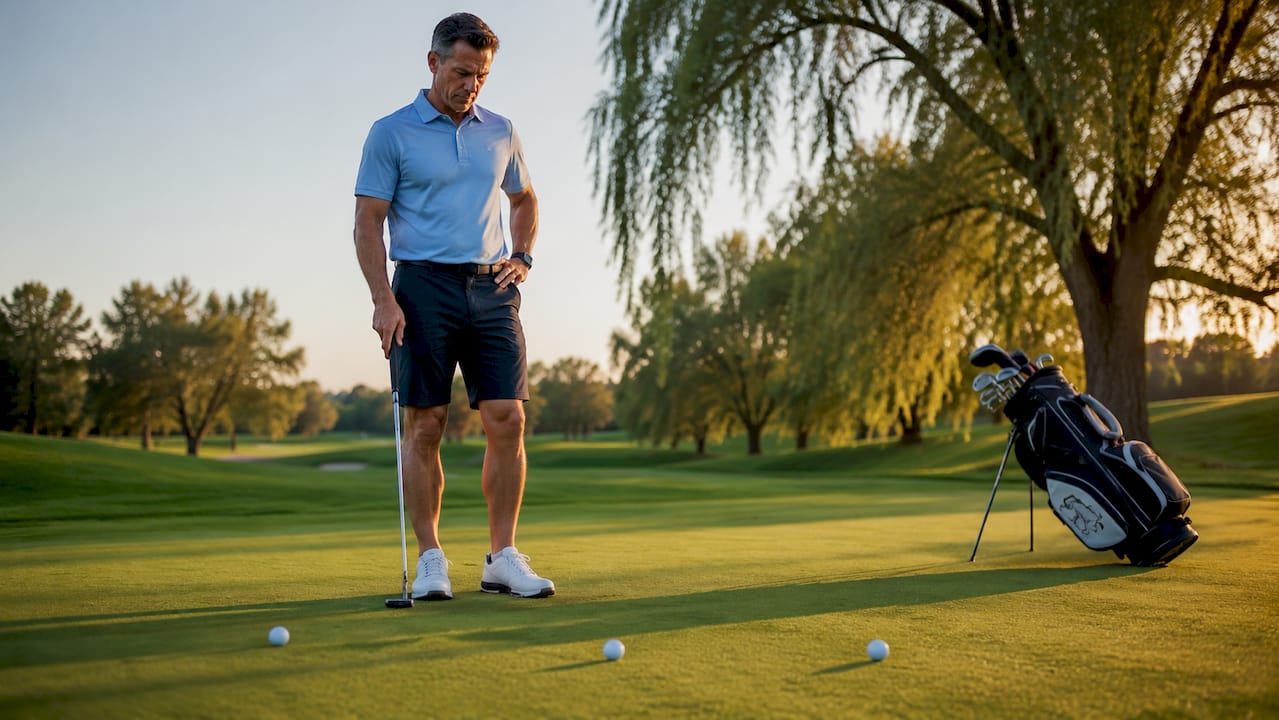
Golfista concentrado en preparar su golpe en el green, revisando sus apuntes para asegurarse de acertar el putt.

La mayoría de los golfistas aficionados asumen que el putt es puro “tacto” o que simplemente se nace con esa habilidad. Eso es un error garrafal. El putt es la acción que más veces repites en cada ronda, y en muchos casos representa entre el 40% y el 50% de todos tus golpes. Si no lo trabajas de forma estructurada, estás dejando golpes sobre el green en cada salida. Aquí te voy a explicar exactamente qué es el putt, cómo ejecutarlo bien, cómo medir tu progreso y qué ejercicios funcionan de verdad.

Tabla de contenidos

Puntos Clave

Punto Detalles
El putt requiere técnica No es solo intuición: dominar el putt depende de una técnica específica centrada en el control y repetibilidad.
Control de ritmo y distancia La clave para reducir golpes está en controlar el pace y evitar los habituales tres putts.
Mide y mejora tu putt Registrar métricas te permite identificar avances y trabajar con datos reales sobre tu rendimiento.
Ejercicios prácticos ayudan Aplicar rutinas específicas acelera la mejora y da confianza en los greens.

Qué es el putt en golf y por qué es esencial

Ahora que sabes que el putt requiere algo más que intuición, exploremos en qué consiste realmente y por qué es tan determinante.

El putt en golf es un golpe suave y controlado que se ejecuta en el green para hacer que la bola ruede hacia el hoyo, sin buscar levantar la bola ni generar potencia. No es un swing completo. No es fuerza. Es precisión y repetibilidad sobre una superficie corta y rápida.

El putt se diferencia del resto de golpes en varios aspectos fundamentales:

  • Objetivo: La bola debe rodar, no volar.
  • Club utilizado: Se usa el putter, diseñado específicamente para el green.
  • Distancia: Se aplica dentro del green, generalmente desde pocos metros hasta unos 15 o 20 metros.
  • Mecánica: El movimiento es mucho más compacto y controlado que cualquier otro golpe.
  • Factor mental: El putt tiene una carga psicológica muy alta, especialmente en distancias cortas.

¿Por qué es tan importante dominarlo? Porque si llegas al green en regulación pero necesitas tres putts para embocar, desperdicias todo el trabajo anterior. Si eres nuevo en el deporte, esta guía para principiantes te dará contexto sobre cómo el putt encaja en el juego completo.

“El putt no es el golpe más espectacular del golf, pero sí es el más decisivo en la tarjeta de puntuación.”

Cada hoyo tiene un número de golpes previsto, llamado par. En la mayoría de los hoyos, ese par incluye exactamente dos putts. Si promedias más de dos putts por hoyo, ya estás por encima del par solo en el green. Eso es un problema con solución directa.

Técnica básica del putt: movimiento y control

Después de conocer qué es el putt y por qué importa, es fundamental entender cómo ejecutar correctamente este golpe.

El movimiento del putt se describe como un balanceo tipo péndulo, con hombros y brazos trabajando coordinados y con las muñecas relativamente estables, para lograr repetibilidad. Este concepto del péndulo es clave. Cuando introduces movimiento en las muñecas, pierdes control sobre la dirección y la distancia. El resultado: putts cortos que se quedan a la derecha o a la izquierda, o golpes que se pasan de largo.

Estos son los pasos para una posición y ejecución correctas:

  1. Colócate de frente a la línea de putt, con los pies paralelos a ella y el ancho de hombros.
  2. Flexiona levemente las rodillas y baja el torso hacia adelante para que los ojos queden sobre la bola o ligeramente hacia el interior de la línea.
  3. Agarra el putter con suavidad, sin apretar. Demasiada tensión en las manos arruina el ritmo.
  4. Inicia el movimiento con los hombros, no con las manos ni la espalda baja. Los hombros son el motor.
  5. Mantén la cabeza quieta durante todo el golpe. Mira el punto de impacto, no la trayectoria de la bola.
  6. El arco de backswing y follow-through deben ser simétricos. Si el backswing es corto y el follow-through largo, la distancia se vuelve impredecible.

Una postura correcta en golf desde el inicio marca una diferencia enorme en la calidad del putt. Y si quieres entender cómo la mecánica del putt conecta con el resto del juego, explorar cómo mejorar la técnica de swing también tiene sentido.

“El mayor error de los aficionados es intentar dirigir la bola con las manos en vez de confiar en el movimiento pendular.”

Consejo profesional: Para entrenar el movimiento pendular en casa, coloca dos tees en el suelo formando un corredor estrecho del ancho de tu putter. Practica moviendo el putter hacia atrás y adelante sin golpear los tees. Haz 50 repeticiones diarias durante dos semanas y notarás una diferencia real en la consistencia de tu golpe.

El control de la distancia y el ritmo: clave para el éxito en el green

Una vez aprendido el movimiento básico, el siguiente paso es dominar el ritmo y la distancia para reducir errores y sumar menos golpes.

Jugador de golf perfecciona su control de distancia al hacer putts en el green.

Hablar de tres putts es hablar de golpes desperdiciados. Un tres putt ocurre cuando necesitas tres golpes desde el green para embocar. En un jugador amateur típico, esto puede ocurrir entre 3 y 6 veces por ronda. Eso son golpes adicionales que no tienen nada que ver con el driver ni con los hierros, sino con la falta de control en el green.

Controlar velocidad y distancia es una parte importante del rendimiento en el green: evitar fallos por mal “pace” es fundamental para evitar más putts y, especialmente, los temidos tres putts.

Las causas más comunes de problemas de ritmo son:

  • No leer bien el green antes de golpear: ¿Es rápido o lento? ¿Tiene pendiente?
  • Backswing demasiado largo con desaceleración en el impacto: El putter frena justo al contactar la bola.
  • Exceso de tensión en el agarre: Bloquea el flujo natural del movimiento.
  • Enfocarse solo en la dirección y olvidar la fuerza: La mayoría se obsesiona con apuntar bien, pero descuida la distancia.
Distancia del putt Control de distancia Resultado típico
1 a 2 metros Alta repetibilidad necesaria Conversión alta si la técnica es correcta
3 a 5 metros Ritmo y línea equilibrados Zona de alta variabilidad para amateurs
6 a 10 metros Distancia más crítica que dirección Dos putts es el objetivo realista
Más de 10 metros Laguna de velocidad como prioridad Dejar la bola cerca del hoyo para un solo putt más

Consejo profesional: Practica el ejercicio de las “escaleras”: coloca una bola a 3, 6, 9 y 12 metros del hoyo y golpea cada una secuencialmente, tratando de dejar cada bola a menos de un metro del hoyo. Este ejercicio calibra tu percepción de distancia mejor que cualquier otro. Dedica 15 minutos a esto antes de cada ronda y verás cómo reduce tus tres putts de manera dramática.

Infografía vertical: pasos esenciales para ejecutar un buen putt en golf

Recuerda: si quieres entender cómo cada putt impacta tu marcador, aprender cómo se puntúa el golf te dará una perspectiva completa.

Cómo medir el rendimiento de tu putt: métricas, registros y análisis

Habiendo abordado la técnica y el control, es momento de saber cómo medir tus avances y tomar decisiones de mejora concretas.

Muchos golfistas practican durante meses sin progresar porque no miden nada. Entrenan sin datos y, sin datos, no hay dirección. Las métricas de putt, como putts por ronda, se usan para separar el efecto del putting del de otros golpes y cuantificar la mejora real en el green.

“Lo que no se mide, no se puede mejorar. En el putt, llevar un registro básico puede revelar patrones que nunca habrías detectado a simple vista.”

Las métricas más importantes que debes conocer y registrar son:

  1. Putts por ronda: El número total de putts en los 18 hoyos. Un amateur promedio está entre 32 y 38. Un buen objetivo es llegar a 30 o menos.
  2. Promedio de tres putts: Cuántos hoyos por ronda requirieron tres putts. Reducir este número a cero o uno es una meta alcanzable.
  3. Strokes ganados en putting (Strokes Gained Putting): Métrica avanzada que compara tu rendimiento con una referencia. Muy usada en el circuito profesional y cada vez más accesible para amateurs.
  4. Porcentaje de conversión por distancia: ¿Cuántos putts de 2 metros conviertes? ¿Y los de 3 metros? Esto te dice exactamente dónde practicar.
Métrica Qué mide Señal de alerta
Putts por ronda Volumen total de golpes en el green Más de 36 putts por ronda
Tres putts por ronda Eficiencia en putts largos Más de 3 por ronda
Conversión a 2 metros Confianza y técnica en corto Menos del 70% de conversión
Strokes Gained Putting Comparación con nivel de referencia Valor negativo de forma consistente

Para crear tu propio registro de rendimiento, sigue estos pasos:

  1. Lleva una libreta o usa una app de golf durante tus rondas.
  2. Anota el número de putts por hoyo y la distancia aproximada del primer putt.
  3. Marca específicamente los tres putts y la distancia desde la que ocurrieron.
  4. Revisa los datos cada cuatro o cinco rondas para detectar patrones.
  5. Ajusta tus sesiones de práctica según lo que los datos muestran, no según lo que sientes.

Si no tienes claro cómo encaja esto en el contexto de una ronda completa, entender qué es una ronda de golf te ayudará a darle sentido a todo esto.

Ejercicios prácticos para perfeccionar el putt

Finalmente, tener ejercicios concretos te permitirá aplicar conceptos y mejorar rápidamente tu rendimiento sobre el green.

El putt es menos sobre potencia y más sobre repetibilidad: cara cuadrada, base estable, péndulo constante, y control de velocidad para convertir oportunidades en pars y birdies mientras reduces los tres putts. Sabiendo eso, los ejercicios que funcionan son los que refuerzan exactamente esos elementos.

Aquí tienes una secuencia de ejercicios que realmente funcionan:

  1. El círculo de tres metros: Coloca 8 bolas formando un círculo alrededor del hoyo a 1 metro de distancia. Intenta embocar todas antes de terminar la sesión. Cuando lo logres, amplía el círculo a 1.5 metros. Este ejercicio construye confianza y consolida la mecánica en putts cortos.

  2. El putt con un solo ojo: Cubre un ojo con la mano y ejecuta putts desde 3 metros. Esto obliga a tu cerebro a calibrar mejor la profundidad y la distancia, mejorando la percepción espacial.

  3. El ejercicio de las monedas: Coloca una moneda detrás de la bola. Practica golpear la bola sin mover la moneda después del impacto. Si la moneda se mueve, el putter está golpeando con demasiada inclinación hacia abajo o hacia arriba.

  4. Putts con los ojos cerrados: Desde 2 metros, cierra los ojos en el momento del backswing y golpea. Comprueba dónde quedó la bola. Esto elimina la distracción visual y te obliga a confiar en el movimiento.

  5. El ejercicio de los 100 putts: Cada sesión de práctica, haz 100 putts desde distintas distancias (20 desde 1 metro, 30 desde 2 metros, 30 desde 3 a 5 metros, 20 desde más de 6 metros). Registra cuántos embocas en cada distancia.

Para seguir avanzando con una metodología más completa, puedes explorar recursos para mejorar tu técnica de golf y revisar todos los pasos para jugar golf con una visión más amplia.

Consejo profesional: Diez minutos antes de cualquier ronda, realiza esta rutina: 10 putts desde 1 metro para activar la confianza, 10 putts de distancia larga para calibrar el ritmo del green, y 5 putts desde 3 metros para fijar el ojo. No te vayas al primer tee sin haberla completado. Esa rutina vale más que media hora de práctica aleatoria.

Lo que la mayoría olvida del putt: más ciencia, menos suerte

Llegados aquí, es vital reflexionar sobre lo que realmente implica progresar en el putt y eliminar creencias erróneas frecuentes.

Te voy a ser directo: la industria tradicional del golf lleva décadas vendiendo la idea de que el putt es un arte misterioso que algunos tienen y otros no. Eso es, simplemente, falso. Y esa narrativa le ha costado a millones de golfistas años de frustración innecesaria.

El putt efectivo no depende del día, del “ojo” ni de la inspiración. Depende de rutina, análisis y ajustes concretos. Los mejores putters del mundo, tanto en el PGA Tour como en el LPGA Tour, no confían en la suerte. Confían en su proceso. Tienen una rutina previa al golpe que repiten exactamente igual en cada putt, en la ronda uno y en la ronda cuatro de un torneo.

¿Por qué tanta gente se frustra con el putt? Porque espera mejorar simplemente jugando más rondas, sin práctica deliberada y sin datos. Jugar más sin corregir los errores solo consolida los malos hábitos. Es como intentar hablar otro idioma escuchando música en ese idioma: algo puede absorberse, pero el progreso real requiere práctica estructurada.

La buena noticia es esta: mejorar el putt es lo que más rápido puede bajar tu score, sin necesidad de cambios físicos grandes ni equipo nuevo. No necesitas ser más fuerte. No necesitas un putter de 500 dólares. Necesitas entender lo que dice tu puntuación en golf, registrar lo que está pasando en el green y practicar de forma inteligente.

El punto de inflexión llega cuando dejas de tratar el putt como algo separado del resto de tu juego y lo empiezas a ver como una habilidad técnica con métricas claras, ejercicios probados y resultados medibles. En ese momento, el progreso se vuelve real y constante.

Da el siguiente paso para dominar el putt en golf

Ya tienes la base: entiendes qué es el putt, cómo ejecutarlo bien, cómo medir tu progreso y qué ejercicios incorporar. Ahora necesitas los recursos correctos para seguir avanzando sin perder el tiempo con métodos que no funcionan.

https://golf-blab.com

En Golf Blab encontrarás exactamente lo que necesitas para subir al siguiente nivel. Desde el centro de aprendizaje de Golf Blab con guías, lecciones y contenido educativo diseñado para golfistas que quieren mejorar de verdad, hasta la tienda para golfistas donde puedes encontrar equipamiento, accesorios y productos personalizados para llevar tu juego al siguiente nivel. No vendemos promesas vacías. Vendemos herramientas reales para golfistas reales.

Preguntas frecuentes sobre el putt en golf

¿En qué se diferencia el putt de otros golpes en golf?

El putt se ejecuta sobre el green con un golpe suave y controlado, buscando rodar la bola hacia el hoyo sin levantarla ni generar potencia, a diferencia de los golpes desde el fairway o el rough que buscan distancia y elevación.

¿Por qué muchos golfistas fallan putts cortos?

Lo habitual es fallar por falta de ritmo y confianza, o por mover en exceso las muñecas, ya que el movimiento pendular estable con hombros y brazos coordinados es esencial para lograr repetibilidad y no perder la dirección.

¿Qué ejercicios ayudan a mejorar el putt?

Los ejercicios que trabajan el movimiento pendular y el control de distancia, como el círculo de un metro o los 100 putts secuenciados, son los más efectivos porque el putt depende de repetibilidad y control de velocidad más que de potencia.

¿Cómo afecta el putt al score final?

Mejorar el putt ayuda a eliminar errores de tres putts, ya que el pace y el ritmo constante son determinantes para reducir golpes adicionales en el green y puede bajar varios golpes por ronda sin cambiar ningún otro aspecto del juego.

¿Qué métricas conviene usar para analizar mi putt?

Las más usadas son putts por ronda, promedio de tres putts y strokes ganados, ya que estas estadísticas de putting permiten separar el rendimiento en el green del resto del juego y cuantificar la mejora real de forma objetiva.

Recomendación

Posted on

Self-taught vs instructor-led golf: which path fits you?

Golf lesson and solo practice at driving range


TL;DR:

  • Both self-taught and instructor-led golf have unique strengths and limitations that affect the speed of improvement. Feedback frequency and accuracy are key factors, with instructors providing immediate corrections and technology enhancing self-practice through detailed data. A balanced, structured approach that incorporates lessons, deliberate self-practice, and technology yields the best long-term results.

You’ve been grinding on the range for months. You’ve watched the YouTube videos, you’ve tried the tips from your playing partners, and yet your handicap barely moves. Sound familiar? A lot of golfers hit that wall and start asking the same uncomfortable question: would lessons actually fix this, or is the problem something only you can solve through reps? The honest answer is more nuanced than either camp will admit. Both self-taught and instructor-led golf have real strengths, real blind spots, and real consequences for how fast you actually improve. Let’s cut through the noise and figure out which path makes sense for where your game is right now.

Table of Contents

Key Takeaways

Point Details
Instructor feedback advantage Personalized, real-time coaching corrects errors faster and prevents bad habits.
Self-taught success requires structure Deliberate practice with benchmarks is vital for progress without lessons.
Feedback frequency boosts learning Higher feedback density—via tech or self-review—accelerates improvement.
Most golfers benefit from a hybrid Blending self-reps with expert input often leads to the best results.
Choose your method based on goals Evaluate your needs: fast progress, flexibility, or long-term consistency.

How self-taught and instructor-led golf differ in feedback and progress

Now that you know the big-picture problem, let’s get specific about how feedback and improvement processes actually work in each approach.

The single biggest difference between the two paths is feedback. When you work with an instructor, you get immediate, targeted corrections. They watch you swing, they see what you can’t see, and they tell you right then and there what needs to change. That loop is tight and efficient. Instructor-led golf directly addresses swing mechanics errors through real-time feedback, which dramatically reduces the risk of reinforcing bad patterns.

Infographic comparing self-taught and instructor-led golf

Self-teaching flips that loop wide open. You hit a shot, you guess at what went wrong, and you try something different next time. Sometimes you get it right. More often, you spend 200 reps ingraining a compensating move that creates a whole new problem. The frustrating part is that it doesn’t feel wrong while you’re doing it. Bad habits are comfortable. That’s why they stick.

That said, self-taught golf can still be effective when paired with structured practice, clear benchmarks, and deliberate self-feedback systems. The keyword is structured. Without that structure, you’re essentially practicing your mistakes.

Here’s a quick comparison of where each approach tends to win and lose:

Factor Self-taught Instructor-led
Feedback speed Slow, often delayed Immediate and specific
Error correction Risk of reinforcing mistakes Caught early
Flexibility High Lower
Cost Low Higher
Consistency of progress Uneven More predictable
Long-term efficiency Depends on structure Generally faster

A few honest observations about the self-taught path:

  • You can develop real feel and creativity on your own, which some instructors actually stifle.
  • You are far more likely to practice things you’re already decent at, avoiding the hard stuff.
  • Without external eyes, your mental model of your own swing is almost always wrong.
  • Understanding what a golf clinics vs private lessons setup actually offers can save you from wasting money on the wrong format.

Pro Tip: Film your swing from face-on and down-the-line every single session, even if you never show it to an instructor. Watching yourself back is the closest thing to external feedback you’ll get on your own.

“The moment I stopped assuming I knew what my swing looked like and started watching the video, I realized I was fighting a completely different problem than I thought.” This is the honest experience of nearly every golfer who finally picks up a camera.

Learning what a golf coach really does for your game can also reframe your expectations before you ever book a session.

The science of feedback: Why cues and guidance matter

With the basics of feedback covered, let’s look at the science behind why structured guidance, whether from people or technology, actually helps you get better faster.

Motor learning research is clear on this point. Guidance cues improve learning outcomes in tasks like golf putting compared to no-guidance control conditions. In plain language: when you have something helping you feel or understand the right pattern, you learn it faster and retain it better. That’s not opinion. That’s controlled research.

One concept worth understanding here is feedback density, which simply means how many useful feedback events you get per hour of practice. A traditional weekly lesson gives you maybe 60 minutes of guided time, but then you’re on your own for the rest of the week. That’s a relatively low feedback density overall. Instructor-led learning provides lower feedback density per total practice hour compared to self-driven systems that use high-frequency tech or structured drills.

Here’s how different practice methods stack up on feedback density:

Practice method Feedback events per hour Error correction speed
Weekly lesson only Low Once a week
Self-practice, no tools Very low Rarely
Video self-review Moderate Session by session
Launch monitor use High Shot by shot
Lesson plus tech tools Very high Continuous

Golfers who use technology in their practice consistently report faster gains when that feedback is specific and actionable. We’re talking 3 to 5 times faster improvement on targeted skills compared to unguided range sessions.

A few things that genuinely accelerate the feedback loop:

  • Launch monitors that show ball speed, spin rate, and launch angle after every shot
  • Putting mirrors and alignment sticks for immediate visual cues during drills
  • Smartphone video apps with slow-motion and overlay features
  • Structured pre-shot routines that create repeatable conditions for honest comparison

Pro Tip: You don’t need expensive technology to boost your feedback density. A free slow-motion camera app and one alignment stick can triple the quality of information you get from a single practice session.

The naked truth is this: it’s not lessons versus self-teaching that determines your progress rate. It’s feedback. The more of it you get, the faster you improve, as long as it’s accurate.

Structuring self-taught golf for real improvement

Self-guided learning can work, but only if it’s structured. Here’s how to make self-teaching actually produce results, instead of confusion.

The biggest trap in self-taught golf is random practice. You hit drivers, then chip a few, then go back to iron shots, then try that new grip tip you read about. Forty-five minutes later, you haven’t actually practiced anything. You’ve just swung a club in a lot of different directions and called it a session.

Real self-improvement follows a framework. Here’s one that works:

  1. Identify one specific, measurable problem. Not “I’m hitting it badly” but “I’m losing 15 yards left with my 7-iron off the toe.” Specific problems have specific solutions.
  2. Find or design a drill that isolates that problem. One drill. Not five.
  3. Set a measurable benchmark before you start. For example, hit ten shots and record your result. Video and launch monitor data are ideal, but even a simple hit-and-count method works.
  4. Practice that drill exclusively for at least two full sessions before evaluating any change.
  5. Review before-and-after evidence honestly. Video doesn’t lie. If the pattern didn’t change, the drill isn’t the right one.

Jon Sherman’s approach to improvement emphasizes that self-taught progress without clear benchmarks and feedback systems is slower and more error-prone. Most golfers skip step three entirely, which means they never know if they actually improved or just got lucky on a few shots.

Practicing golf at home is also more viable than most people think, especially for short game feel and putting. And establishing golf practice routines that you stick to consistently beats ad hoc range sessions every single time.

Most tour players who appear self-reliant actually use a hybrid model. They own their own swing and do the bulk of daily experimentation themselves, but they bring in expert eyes at specific moments, like before a major stretch or when something feels suddenly off.

Pro Tip: Use a simple notes app on your phone to log each session. Write down what you worked on, what you observed, and what you’ll check next time. This turns random practice into a learning journal.

Instructor-led golf: When and why it delivers best results

With the self-taught route mapped out, let’s see when professional guidance is the smartest choice and how it can fast-track your improvement.

Golf instructor analyzing swing with student

There are moments in a golfer’s development where lessons aren’t just helpful, they’re genuinely the fastest path forward. Trying to break a stubborn habit without external feedback is like trying to cut your own hair in a mirror while wearing oven mitts. You can do it, sort of, but the result is rarely what you had in mind.

Professional instruction directly addresses swing mechanics problems with personalized, real-time diagnosis. That outside perspective is irreplaceable in specific situations. Here’s when instructor-led learning is clearly the smartest investment:

  • You’re a beginner and haven’t yet established a repeatable swing pattern
  • You’ve been stuck at the same handicap for two or more seasons despite consistent practice
  • You’ve recently made a swing change that’s made things worse, not better
  • You’re dealing with a chronic ball flight issue (persistent slice, chronic fat contact) that hasn’t responded to self-correction
  • You’re returning to golf after an injury and need to rebuild mechanics safely

Understanding why adult golfers take lessons is actually revealing. It’s rarely about being a complete beginner. More often, it’s about getting unstuck from a pattern that self-practice has only reinforced.

“Expert eyes spot subtle flaws you’re unlikely to fix alone.” This is especially true of sequencing problems in the swing, where what feels like a grip issue is actually a transition problem, and what feels like a weight shift error is actually a setup fault.

Pro Tip: When booking a lesson, come prepared with a specific complaint, not a vague request to “get better.” Tell your instructor exactly what’s happening with the ball and when. That specificity cuts your lesson time in half because the coach can go straight to the root cause.

Even elite tour players lean on their coaches when something drifts. Nobody outgrows the value of an expert second opinion.

The hybrid approach: How most golfers actually improve

So what does the real-world improvement journey look like? Here’s how top golfers balance both strategies for long-term gains.

The all-or-nothing framing around lessons versus self-teaching is a false choice. In practice, the golfers who improve fastest aren’t purely self-taught or purely lesson-dependent. They blend both, and they’re intentional about which tool they reach for at which moment.

Even Scottie Scheffler’s development reflects this hybrid reality. Elite players rely heavily on their own experimentation and feel during daily practice, but they still bring in targeted expert critique when specific problems emerge. That’s not a coincidence. That’s an effective model.

Here’s what a smart hybrid approach looks like for most recreational golfers:

  • Start with a lesson or two to establish a sound foundation and identify your biggest limiting factor
  • Use structured self-practice between sessions to build reps and explore feel
  • Integrate technology like video or a basic launch monitor to maintain feedback quality
  • Return to an instructor when progress stalls or when you’re making a deliberate swing change
  • Treat lessons as recalibration sessions, not a replacement for doing the work yourself

The role of what a golf coach really does shifts in this model. Instead of a weekly dependency, your coach becomes a strategic advisor you check in with periodically. That’s not a downgrade. That’s a more sophisticated relationship.

Pro Tip: Schedule a standing “check-in” lesson every 6 to 8 weeks, even when things feel like they’re going well. Drift happens slowly and invisibly, and catching it early is far less painful than unraveling three months of ingrained compensations.

The key insight is this: neither pure self-teaching nor pure lessons maximizes your potential. The blend does.

Our take: Why blending approaches outperforms extremes

Here’s the honest truth most golf content won’t say plainly: golfers tend to overrate lessons early in their journey, expecting one session to fix everything, and then underrate the challenge of productive self-coaching later, once they’ve built some confidence. Both mistakes cost real time and real money.

We’ve seen it play out in the same way, over and over. A beginner takes a few lessons, gets some improvement, then stops because “they’ve got it now.” Six months later, they’re back at square one with newly reinforced bad habits on top of the original ones. Or a more experienced player grinds away on their own for years, making marginal gains, convinced that more reps will eventually crack the code. They don’t.

What actually works is starting with expert eyes to build a foundation you can trust, then putting in the self-driven reps and using technology to stay honest between calibration sessions. This approach reduces wasted practice time, speeds up real results, and, honestly, keeps golf more fun. Because grinding in the dark without knowing if you’re making progress is the fastest way to burn out.

The Golf Blab Learning Center is built around this exact philosophy: give golfers the knowledge and tools to practice smarter, whether they’re working with a coach or figuring things out on their own.

Take your practice further with Golf Blab resources

If you’re ready to put these strategies into play, here’s how Golf Blab can support your progress at every stage. At Golf Blab, we’ve built a home for golfers who want to improve without wading through generic advice that doesn’t translate to the course. Whether you’re deep into self-coaching or gearing up for your first lesson, the Golf Blab Learning Center has instructional content that meets you where you are. Want to add some personality to your setup while you work on your game? Explore golf club personalization options that let your gear reflect who you are on the course. And when you’re ready to gear up properly, check out the Golf Blab shop for accessories, apparel, and tools designed with real golfers in mind.

Frequently asked questions

Is self-taught golf ever as effective as lessons?

Self-taught golf can produce improvement when backed by structured practice and clear benchmarks, but it’s generally slower and more error-prone than working with an instructor.

How can I tell if I need a golf instructor?

If the same faults keep showing up despite consistent practice, that’s your signal. Professional instruction directly diagnoses swing mechanics problems that are nearly impossible to see or correct on your own.

What’s the risk of learning golf without feedback?

Without expert or technological feedback, bad habits build quietly and then compound. Periodic expert review prevents the kind of ingrained patterns that take months to undo.

Can technology really replace a human instructor?

Not fully. Technology can improve direction control and other measurable swing elements, but it still lacks the diagnostic intuition of a skilled coach who can see the whole picture.

What’s the most effective learning strategy for most golfers?

A hybrid of self-driven practice and scheduled expert feedback produces the most lasting gains. Even top players seek targeted critique for specific problems while owning the bulk of their own development.