Posted on

Master every type of golf shot: essential guide for 2026

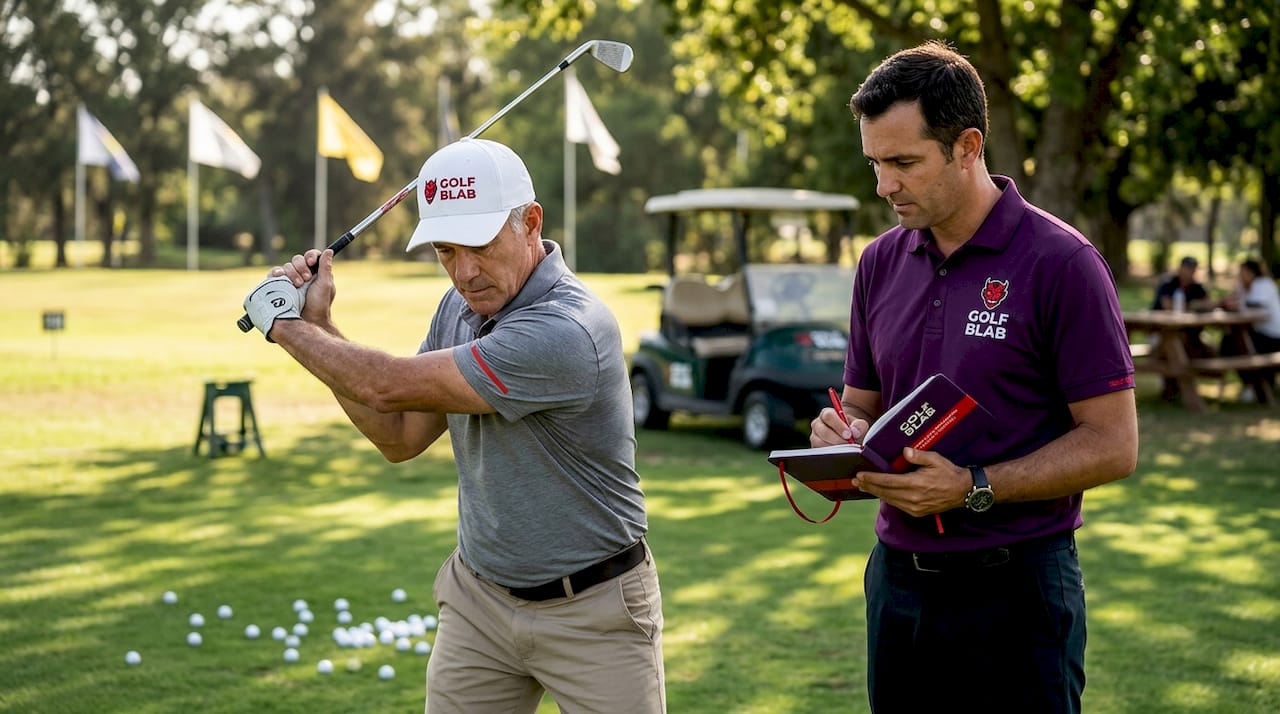
Golfer preparing tee shot on fairway


TL;DR:

  • Mastering the eight core shot types improves consistency and lowers scores.
  • Effective shot selection depends on lie, distance, hazards, and wind conditions.
  • Practicing advanced shots and avoiding common mistakes can significantly enhance performance.

Choosing the right shot at the right moment is what separates a golfer who breaks 90 from one who keeps grinding at 100. It is not always about swinging harder or buying better clubs. PGA pros average around 295 yards on their drives, yet their real scoring edge comes from knowing exactly which shot to play in every situation. This guide breaks down the core types of golf shots, how to pick the right one, how they compare, and how to practice the advanced ones that most golfers ignore. If you want lower scores, this is where it starts.

Table of Contents

Key Takeaways

Point Details
Know essential shots Understanding each shot type empowers better choices on the course.
Adapt to conditions Matching your shot to the situation lowers your scores.
Use comparisons Comparing shots reveals which to use for safety, distance, or control.
Practice advanced techniques Adding specialty shots to your game gives you a competitive edge.
Avoid common mistakes Learning frequent errors helps you play with confidence and consistency.

Core types of golf shots explained

Every shot in golf has a job. The problem is that most golfers learn one or two and try to force them into every situation. That is like owning a toolbox with only a hammer. Expert consensus on shot mechanics confirms there are eight core shot types every golfer should understand.

Here is a quick breakdown:

  • Drive: Your longest shot, typically hit from the tee with a driver. It sets up the hole.
  • Approach shot: Played from the fairway or rough toward the green. Accuracy matters more than distance here.
  • Chip: A low, running shot played close to the green. Minimal air time, maximum ground roll.
  • Pitch: A higher, softer shot that lands and stops quickly. Used from 20 to 80 yards out.
  • Lob: The highest, softest shot in the game. Great for clearing obstacles near the green.
  • Bunker shot: Played from sand traps. Requires an open face and a specific swing path to get the ball out cleanly.
  • Punch shot: A low, controlled shot used to escape trouble or fight the wind.
  • Putt: The most used shot in any round. Played on the green to roll the ball into the hole.

Each of these shots demands a slightly different setup. Mastering your golf stance before you even think about swing mechanics will make learning each shot type much faster and more consistent.

Pro Tip: Adjust your grip pressure and ball position for each shot type. A chip calls for a firm, controlled grip and ball positioned back in your stance. A lob needs a loose grip and ball forward. Small tweaks make a big difference.

How to select the right shot for every situation

With the main types of shots covered, knowing when to use each becomes essential. Here is how you can select smartly on the course.

Shot selection is not guesswork. Pro shot choices are guided by lie and course management above all else. You should be doing the same thing. Before you pull a club, run through this process:

  1. Assess your lie. Is the ball sitting clean on the fairway, buried in rough, or plugged in sand? Your lie narrows your options immediately.
  2. Check the distance. How far are you from the target? This tells you which clubs are even in play.
  3. Identify hazards. Water, bunkers, trees, and out-of-bounds all affect which shot shape and trajectory you need.
  4. Read the wind. A headwind calls for a punch or a lower ball flight. A tailwind gives you extra carry, so plan accordingly.
  5. Be honest about your skill. A flop shot over a bunker is not the smart play if you have never practiced it. Take the safer route and protect your score.

“The best shot is not always the most aggressive one. It is the one that gives you the best chance of making your next shot easy.” This is the risk-reward mindset that separates smart golfers from stubborn ones.

For a deeper look at building this decision-making habit into your rounds, check out golf strategy for lower scores and pair it with a solid understanding of choosing golf clubs for each scenario.

Comparison of golf shots: risks, benefits, and best uses

Once you know how to select a shot, it is useful to compare their relative strengths and limitations.

Here is a side-by-side look at the core shots:

Shot Distance Risk level Control Best use
Drive High High Low Tee shots on par 4s and 5s
Approach Medium Medium Medium Fairway to green
Chip Low Low High Just off the green
Pitch Low-Medium Medium High 20 to 80 yards out
Lob Low High Low Over obstacles near green
Bunker Low High Medium Sand traps
Punch Low-Medium Low High Wind or trouble escape
Putt Very low Low High On the green

The biggest risks to watch for:

  • Topped drive: Happens when you try to lift the ball instead of swinging through it.
  • Duffed chip: Caused by a scooping motion instead of a downward strike.
  • Thin pitch: Result of early extension or lifting your head before contact.
  • Bladed bunker shot: Happens when the club catches the ball instead of the sand beneath it.

Here is something that surprises most golfers. PGA pros rely on finesse for scoring shots far more than raw distance. The average amateur loses more shots around the green than off the tee. Improving your chip and pitch game will drop your score faster than adding 20 yards to your drive. Understanding golf rules basics also helps you avoid penalty strokes that quietly inflate your scorecard.

Advanced shots and how to practice them

Beyond the basics, mastering advanced shots can open up new scoring opportunities. Here is how to approach them.

Woman golfer practices bunker shot in sand

Advanced shot proficiency gives you a real competitive edge at every skill level. These are the shots that make your game adaptable instead of predictable.

Shot Difficulty Practice drill
Fade Medium Aim left, open clubface slightly, swing along your feet line
Draw Medium Aim right, close stance slightly, swing from inside out
Flop Hard Practice on a mat with a lob wedge, focus on open face and soft hands
Punch Easy-Medium Ball back in stance, hands forward, abbreviated follow-through
Stinger Hard Low tee, ball back, de-loft the club, hold the finish low

Tips for adding these shots to your practice routine:

  • Start on the range, not the course. Never try a new shot for the first time under pressure.
  • Use alignment sticks to train your swing path for fades and draws.
  • Practice the flop from different lies, not just perfect grass.
  • Film your punch shot to make sure your follow-through stays low and controlled.
  • Set a goal: spend 15 minutes per session on one advanced shot before moving on.

Pro Tip: Focus on one advanced shot at a time. Trying to learn a fade, draw, and flop in the same week is a recipe for confusion. Pick one, own it, then move to the next. If you want structured guidance, golf lessons for improvement can accelerate that process significantly.

Common mistakes and how to avoid them

Knowing the pitfalls is key. Let us wrap up with the mistakes to avoid so you get the most from every shot.

Even experienced golfers slip up with rushed decisions or poor fundamentals. The good news is that most mistakes are fixable with awareness and a simple correction plan.

  1. Wrong club selection. Fix: Always check distance, lie, and wind before pulling a club. When in doubt, take one more club and swing easier.
  2. Poor alignment. Fix: Use a spot on the ground two feet in front of your ball as an intermediate target. Align to that, not the distant flag.
  3. Overcomplicating the shot. Fix: Play the shot you know, not the one you wish you could hit. Simplicity saves strokes.
  4. Mental errors under pressure. Fix: Develop a pre-shot routine and stick to it on every single shot, regardless of the situation.
  5. Skipping the post-round review. Fix: After each round, note two or three shots that cost you strokes and make them your practice focus for the week.

“Pressure does not create bad shots. It reveals the habits you have already built. Build better habits on the range, and the course takes care of itself.”

For more on building better habits and smarter decisions on the course, lower your scores fast with a strategy-first approach to every round.

A coach’s take: Why mastering shot types is the real shortcut to better scores

Having covered mistakes and how to avoid them, let us take a step back and consider a bigger-picture coaching insight.

Here is the naked truth. Most golfers spend 80 percent of their practice time on the range hitting full shots, and then wonder why their scores do not drop. Power is fun. Versatility wins.

The golfers who improve fastest are not the ones who hit it farthest. They are the ones who know exactly what shot to play from any situation and have practiced enough to execute it under pressure. That is a skill set, not a gift.

Course management is the other half of this equation. You can master the basics and still leave shots on the table if you are not thinking two shots ahead. The best rounds we have seen come from golfers who treat every hole like a puzzle, not a power contest.

Challenge yourself after your next round. Pick two shots that did not go as planned and ask why. Was it the wrong shot type? Poor execution? A mental lapse? That kind of honest reflection is worth more than a bucket of range balls.

Take your golf game further with Golf Blab

Inspired by the perspective above, turn your insights into action with the right guidance and tools.

Understanding shot types is a strong foundation. But knowing and doing are two very different things. At Golf Blab, we bridge that gap with real coaching, practical tools, and a community that takes improvement seriously.

https://golf-blab.com

Whether you are ready to invest in personalized golf lessons with a money-back guarantee or you want to gear up with the right equipment from our golf equipment shop, we have what you need to put today’s knowledge into practice. Stop guessing on the course. Start playing with a plan.

Frequently asked questions

What are the main types of golf shots every golfer should know?

Every golfer should master the drive, approach, chip, pitch, bunker, and putt for a well-rounded game. Core shot types are widely agreed upon by instructors and coaches across all skill levels.

How do I decide which golf shot to use during a round?

Choose your shot by assessing distance, lie, obstacles, wind, and your own skill level for each situation. Pro shot selection is always guided by lie and conditions first, not ego.

What is the difference between a chip and a pitch shot?

A chip stays low and runs out toward the hole, while a pitch flies higher and lands softer with much less roll. The choice depends on how much green you have to work with between your ball and the pin.

Which golf shot is hardest for amateurs to master?

Many amateurs struggle most with bunker shots and the flop shot due to their specific mechanics and the feel required. Advanced specialty shots take deliberate, focused practice to develop real consistency.

Posted on

Golf stance explained: master your setup for better shots

Golfer preparing stance on course tee


TL;DR:

  • A proper golf stance involves feet placement, knee flex, hip tilt, spine angle, and balance.
  • Even weight distribution at address and correct weight transfer during the swing are crucial for power and accuracy.
  • Focus on dynamic balance and weight timing rather than overcomplicating foot angle or ball position for better results.

Most golfers think a good stance is about where you put your feet. That’s it. Feet together, feet apart, point them left or right. But that’s only a fraction of the picture. Even minor stance changes can dramatically affect ball contact and swing speed, and most players have no idea they’re leaving distance and accuracy on the table before the club even moves. This guide cuts through the noise and gives you the real fundamentals: what a proper stance actually involves, why weight distribution matters more than most instructors admit, and how to fix the mistakes that are quietly wrecking your game.

Table of Contents

Key Takeaways

Point Details
Stance fundamentals matter A proper golf stance forms the base for consistent, accurate shots.
Weight distribution is key Distribute weight evenly at address and shift smoothly for maximum power.
Mistakes have quick fixes Common stance errors can be corrected with simple adjustments and awareness.
Research backs timing Low-handicap players use faster, earlier weight transfer for better results.
Practice builds confidence Regular stance checks and drills help you translate knowledge into better performance.

What is a golf stance and why does it matter?

Your golf stance is the total package of how you position your body before you swing. It’s not just your feet. It covers your feet placement, knee flex, hip position, spine angle, and overall balance. Every one of those elements works together to create the platform your swing launches from. Get one wrong, and the whole thing can fall apart.

Think of it this way. If you tried to throw a baseball while standing on one foot with your shoulders twisted sideways, you’d lose power and control instantly. The same logic applies here. Your stance is the foundation that supports every dynamic movement in the swing. Without a solid foundation, you’re just hoping for the best.

Here’s what most golfers get wrong: they treat stance like it’s about aesthetics. Like it’s something you do to look like a pro in photos. The truth is, stance is functional. It’s mechanical. Subtle variations in how you set up directly impact how well you strike the ball, how far it goes, and how consistently you repeat the shot.

Easy golf lessons will always start with stance because everything else builds on it. If your setup is off, no amount of swing tips will save you.

Core elements of a proper stance:

  • Feet: Roughly shoulder-width apart, toes slightly flared outward
  • Knees: Softly flexed, not locked or deeply bent
  • Hips: Tilted forward from the hip joint, not the waist
  • Spine: Neutral angle, not hunched or overly upright
  • Balance: Weight centered and evenly distributed

Pro Tip: Before every shot, run a quick mental checklist of these five elements. It takes five seconds and can save you from a bad swing before it ever starts.

“Even distribution at address enables better energy transfer throughout the swing.” Research consistently shows that 50/50 weight distribution at address for iron shots creates the best starting point for a powerful, controlled swing.

Key elements of an effective golf stance

Now that you know what stance means, let’s get specific. Because knowing the components is one thing. Understanding how each one affects your shot is where real improvement happens.

Foot width is the starting point. A shoulder-width stance gives you the balance and rotational freedom you need for most iron shots. Go too wide and you restrict your hip turn. Go too narrow and you lose stability. It’s a simple guideline, but it works.

Golf stance with proper foot width

Alignment is where many golfers quietly bleed shots. Your feet, hips, and shoulders should all run parallel to your target line, with the clubface square to the target. Even a few degrees off and you’re fighting your own setup on every swing. Low-handicap golfers show superior timing and weight transfer, which starts with correct alignment at address.

Infographic showing stance alignment basics

Posture is the one most people get completely wrong. You tilt from the hips, not the waist. When you bend from the waist, you round your back and restrict your shoulder turn. Tilt from the hips and your spine stays neutral, your chest faces the ball properly, and your arms hang naturally.

Check out these swing like a pro drills to see how posture connects directly to swing mechanics.

Setup element Proper form Common fault
Foot width Shoulder-width apart Too wide or too narrow
Alignment Parallel to target line Open or closed to target
Posture Hip hinge, neutral spine Bent at waist, rounded back
Knee flex Slight, athletic bend Locked straight or over-bent
Weight distribution Even, centered Heels or toes, or one-sided

Posture and balance self-assessment checklist:

  • Can you feel equal pressure in both feet?
  • Are your knees over your shoelaces, not your toes?
  • Is your back flat, not rounded?
  • Do your arms hang freely without reaching or crowding?
  • Are your shoulders relaxed, not raised toward your ears?

If you answer no to any of these, you’ve found your first fix.

The science of weight distribution and transfer

Here’s where things get genuinely interesting. Most golfers know they should “shift their weight” during the swing. But few understand how that shift should happen or when it matters most.

At address, the best practice for iron shots is a 50/50 weight split between both feet. That’s your neutral starting point. From there, the backswing loads roughly 60% of your weight onto your trail foot. Then the downswing drives that weight aggressively forward to your lead foot.

The key word is timing. Research on ground reaction force (GRF), which is the force your feet exert against the ground during the swing, shows that skilled golfers generate this transfer earlier and more powerfully than amateur players. That earlier transfer is what creates the speed and compression that separates a good ball striker from an average one.

Efficient weight timing directly links to higher ball speeds. Skilled players don’t just transfer more weight. They transfer it faster and at the right moment in the swing.

Metric Low-handicap golfer High-handicap golfer
GRF peak timing Earlier in downswing Later, near impact
Lead foot transfer Strong and early Weak and delayed
Ball speed result Higher Lower
Contact consistency More reliable More variable

Low-handicap players generate greater and earlier ground reaction force transfer to their lead foot compared to high-handicap players. That’s not a minor detail. That’s the difference between a flush iron and a thin, weak contact.

Pro Tip: Film your swing from the face-on angle, or use a mirror at the range. Watch where your weight sits at the top of your backswing and whether it genuinely moves forward through impact. Most golfers are shocked by what they see. Check out golf swing speed tips to train this transfer more effectively.

Common stance mistakes and quick fixes

Let’s get practical. You know what a good stance looks like. Now let’s talk about what most golfers actually do, and how to fix it fast.

Amateurs plateau by failing to transfer weight efficiently, which undermines power and consistency. Most of the time, that failure traces back to a flawed setup. Here are the top mistakes and their quick fixes:

  1. Stance too wide or too narrow: If your feet are wider than your shoulders, you’re restricting hip rotation. If they’re too narrow, you lose stability. Fix: Stand with feet directly under your shoulders and adjust from there based on the club you’re hitting.

  2. Hunched posture: Rounding your back at address kills your shoulder turn and puts stress on your lower back. Fix: Practice the hip hinge. Stand tall, push your hips back, and let your chest tilt toward the ball naturally.

  3. Weight too far on toes or heels: This throws off your balance through the entire swing. Fix: Feel the pressure in the balls of your feet, just behind your toes. That’s your athletic position.

  4. Alignment errors: Most golfers aim right of their target without knowing it. Fix: Lay two clubs on the ground at the range, one along your toe line and one pointing at your target. Compare them. You’ll likely be surprised.

  5. Stiff, rigid setup: Tension in your arms, shoulders, or legs kills swing speed. Fix: Take a deep breath before addressing the ball. Let your arms hang loose. Think “ready to move,” not “locked in position.”

Pro Tip: Set up to the ball without a club in your hands. Just get into your stance naturally and check your balance. If you feel awkward or unstable, that’s your body telling you something is off. Use golf lesson tips to build these corrections into repeatable habits.

Why most golfers overcomplicate their stance and what actually matters

Here’s something we’ve seen over and over again. Golfers spend hours obsessing over foot angle, ball position, and the exact distance from the ball, then step up and make the same swing they always have. All that prep work, and nothing changes.

The naked truth? Most golfers are focusing on the wrong things. The details matter, sure. But the real difference between a golfer who improves and one who stays stuck is whether they’ve trained dynamic balance and weight timing. Those are the two things that actually show up in ball flight.

The research is clear: the difference is in how and when you transfer energy, not just how you stand. A textbook-perfect static stance means nothing if your weight never moves correctly through the swing.

At Golf Blab, we’ve seen this firsthand. The golfers who make the fastest progress aren’t the ones who memorize every position. They’re the ones who find a simple, repeatable setup and then train their weight shift until it becomes automatic. Stop chasing perfection and start chasing consistency. Visit Golf Blab for a complete golf lesson approach that builds real, lasting habits instead of temporary fixes.

Experiment. Find your personal stance sweet spot. Then repeat it until it’s second nature.

Unlock your best swing with Golf Blab tools and lessons

You’ve got the knowledge. Now it’s time to put it to work with the right support behind you.

https://golf-blab.com

At Golf Blab, we’ve built resources specifically for golfers who are serious about improving their setup and swing mechanics. The swing like a pro program takes everything you’ve read here and walks you through it with structured, actionable lessons designed to build real muscle memory. Want to take it further? You can even play with a tour pro and get direct feedback on your stance and weight transfer from someone who does this at the highest level. Browse our full lineup of golf improvement tools to find the gear and guidance that fits your game right now.

Frequently asked questions

What is the ideal golf stance width?

A shoulder-width stance provides the optimal balance and base for most shots, giving you the rotational freedom and stability your swing needs. Foot width sets the platform for balance throughout the swing.

How should weight be distributed at address?

At address, distribute your weight evenly (50/50) between both feet for iron shots to create the best starting point for energy transfer. Even weight at address is the foundation for a consistent swing.

Why is weight transfer important in the golf swing?

Proper weight transfer generates speed and ensures solid ball contact by loading and releasing energy at the right moment. Efficient weight transfer leads directly to higher ball speeds and better contact.

How do I know if my stance needs adjustment?

If you lose balance during or after your swing, hit inconsistent shots, or feel physically awkward at address, your stance is worth revisiting. Posture and balance are fundamental to effective ball striking at every skill level.

Posted on

9 golf strategy tips to lower your scores fast

Golfer practicing swing at driving range


TL;DR:

  • Long game accounts for approximately two-thirds of golf score variability.
  • Focusing on driving accuracy and approach shots yields faster scoring improvements.
  • Modern equipment enhancements boost consistency but require proper skill to maximize benefits.

You’ve heard it a thousand times: “Drive for show, putt for dough.” It sounds wise, but modern data tells a very different story. Research shows the long game explains ~2/3rds of your score variability, not your putting. That means the hours most golfers spend on the practice green may be the least efficient use of their time. If you want to lower your scores fast, you need a smarter strategy, one built on what the numbers actually say. This article gives you nine concrete tips grounded in modern analysis and real-world play, so you can stop guessing and start improving.

Table of Contents

Key Takeaways

Point Details
Long game first Driving and approach shots impact your score more than putting.
Approach is key Most amateurs lose strokes on approach shots, not putts.
Smart equipment matters Modern gear lets you apply strategy more effectively.
Short game focus Refine your putting after building a consistent long game.

Prioritize your long game for impact

Having reframed what drives scoring, let’s dive into the specific areas where effort yields the biggest returns.

The naked truth is that most amateur golfers spend the majority of their practice time chipping and putting. It feels productive. You see the ball go in the hole. But if SG:OTT explains 28% of scoring variance, meaning Strokes Gained: Off the Tee, the metric that measures how your driving compares to the field, then ignoring your tee shots is like fixing the paint on a car with a broken engine.

Strokes Gained: Off the Tee (SG:OTT) is a stat that captures both distance and accuracy off the tee. It tells you how many strokes you gain or lose compared to the average golfer. A positive number means you’re helping your score before you even reach the fairway. A negative number means you’re already fighting an uphill battle on every hole.

Area Scoring variance explained
Long game (SG:OTT + approach) ~67%
Putting (SG:P) ~19%
Short game (chipping/pitching) ~14%

So where should average golfers focus? Three areas stand out: driving accuracy, distance control, and approach shot consistency. These are the levers that move the needle most.

Three drills to improve your long game:

  • Alignment stick drill: Place a stick on the ground pointing at your target. Practice swinging along that line to build directional consistency off the tee.
  • Half-swing tempo drill: Hit balls at 50% power focusing on clean contact. This builds the muscle memory that translates to better full swings under pressure.
  • Fairway tracking: After every round, note how many fairways you hit. Tracking this number forces you to think about placement, not just power.

Pro Tip: Record your fairway percentages for four rounds in a row. Most golfers are shocked by how low the number is. Awareness alone can improve your decision-making off the tee. If you want structured guidance, easy golf lessons can help you build a repeatable swing that holds up on the course. You can also explore how to swing like a pro with focused, step-by-step instruction built for real golfers. For more context on club selection and course management, golf club resources offer useful supplementary reading.

Use approach shots to capitalize on distance

With a stronger long game, your next scoring opportunity is approach precision.

Approach shots are often the biggest leak for amateur golfers. You can stripe a drive down the middle and still make bogey or worse if your approach misses the green by 30 feet. That gap between a good drive and a makeable putt is where most amateur scores fall apart.

Golfer preparing approach shot on fairway

The top three approach mistakes amateurs make are: choosing the wrong club, aiming at the pin instead of the center of the green, and ignoring wind and lie. Each one costs strokes in a very preventable way.

Steps to pick the right target line on approach:

  1. Identify where trouble is located (bunkers, water, thick rough).
  2. Find the fat part of the green, the area that gives you the most room for error.
  3. Factor in wind direction and strength before selecting your club.
  4. Commit to the shot. Indecision creates tension, and tension kills contact.
  5. Aim for the center of the green unless the pin is in a low-risk position.
Strategy Amateur approach Pro approach
Target selection Aim at the flag Aim at center of green
Club selection Based on best-case distance Based on average carry distance
Wind adjustment Often ignored Always factored in
Risk management High-risk lines common Conservative lines preferred

Pro Tip: Always account for wind and lie when planning your shot. A downhill lie in the rough plays very differently than a flat lie in the fairway, even with the same club. Treat every approach as its own problem to solve. If you want to sharpen your approach game with real feedback, the lesson guarantee at Golf Blab means you have nothing to lose by trying.

Adopt equipment advances for strategic advantage

Mastering your approach shot choices is vital, but equipment can make the difference between consistency and chaos.

Modern equipment shifts strategic priorities in meaningful ways. Today’s drivers are more forgiving on off-center hits. Modern irons have larger sweet spots. High-performance golf balls offer better spin control and distance. These are not just marketing claims. They genuinely change what shots you can attempt and how often you can execute them.

That said, new equipment is not a substitute for skill. The golfer who can’t make solid contact will not suddenly become consistent just because they bought a new driver. Equipment works best when it amplifies a skill that already exists, even a basic one.

Essential equipment upgrades for the modern game:

  • Forgiving irons: Game-improvement irons with wider soles and cavity backs reduce the penalty for slight mishits.
  • High-launch drivers: A driver fitted to your swing speed and attack angle can add real distance without extra effort.
  • Quality golf balls: Switching to tour golf balls designed for your swing speed improves both feel and performance.
  • Custom club labels: Staying organized on the course matters more than people think. Custom club labels keep your bag tidy and your mind focused.
Equipment upgrade Potential performance impact
Game-improvement irons More greens in regulation, fewer big misses
Fitted driver 10 to 20 yards added distance on average
Tour-level golf ball Better spin control and distance consistency
Proper shaft flex Improved accuracy and trajectory control

The key is to get fitted, not just buy. A club that doesn’t match your swing speed or tempo can actually hurt your game. Spend an hour at a fitting session before making any major purchase.

Don’t overlook the short game: When and how to focus

Having explored distance, approaches, and equipment, what about the short game’s famous reputation?

Here’s the honest answer: putting matters, just not as much as you’ve been told. SG:P explains only 19% of scoring variance. That’s real, but it’s not the dominant factor. The short game becomes most valuable once your long game and approach play are reasonably solid. If you’re still losing three shots off the tee every round, spending two hours on putting drills is not the best use of your time.

That said, there are specific situations where short game focus absolutely pays off. If you’re already hitting greens in regulation at a decent rate and your scores aren’t dropping, your short game is likely the leak. Golfers who regularly reach the green in regulation but three-putt often will see immediate score improvement from putting work.

Critical short game drills to practice:

  • Gate drill: Place two tees just wider than your putter face and practice rolling the ball through them. This fixes the path and face angle in one move.
  • Distance ladder: Set balls at 10, 20, and 30 feet and try to stop each putt within 18 inches of the hole. This builds lag putting skill fast.
  • Chip and run practice: From just off the green, practice using a 7-iron to bump and run the ball to the hole. It’s more reliable than a lob wedge for most amateurs.

“The best players in the world don’t practice putting more than anything else. They practice what loses them the most shots. For most golfers, that’s not on the green.”

Balance is the word here. A focused 20 minutes on putting after a long game session is smart. Spending your entire practice time on the putting green while your swing falls apart is not.

Why modern strategy beats old-school thinking

Putting it all together, here’s how we view strategy for the 2026 golf environment.

The old advice, “putt for dough,” came from an era before we had the data to actually measure what drives scoring. It was a reasonable guess. But it was still a guess. Now we know better, and smart golfers are using that knowledge to practice smarter, not just harder.

At Golf Blab, we’ve seen too many golfers grind on their putting stroke for years while their swing quietly falls apart. The game-changing lesson strategy we believe in starts with the swing, moves to approach play, and treats the short game as a finishing touch, not the foundation. Analytics and modern equipment give you an edge that previous generations simply didn’t have. Use them. The golfers who adapt to what the data actually says are the ones who drop three, four, even five strokes in a single season. The ones who keep doing what they’ve always done keep getting the same results.

Ready to transform your golf game?

Take your next step toward better scores with hands-on guidance and proven tools.

If you’re serious about lowering your scores, you don’t have to figure this out alone. At Golf Blab, we offer money-back golf lessons that are built around what actually moves the needle, starting with your swing and working through every part of your game. We’re the only company that backs our lessons with a full money-back guarantee. No risk, just results.

https://golf-blab.com

Check out our lesson demo to see what a focused, four-minute lesson looks like in practice. Or browse our golf gear shop for equipment and products designed to complement your improvement. The next lower score is closer than you think.

Frequently asked questions

What is the most effective strategy to lower golf scores quickly?

Focus on improving your long game, especially driving and approach shots, since driving and long game account for about two-thirds of scoring variance. That’s where the fastest gains live for most amateur golfers.

Is putting still important if the long game matters more?

Yes, but prioritize long game improvement first. Putting becomes crucial once you have a solid swing and approach consistency, since SG:P explains only 19% of scoring variance.

How does equipment choice affect golf strategy?

Modern clubs and balls can greatly increase distance and forgiveness, and modern equipment shifts the balance of strategic priorities, letting you focus your practice on key areas that matter most.

Do online golf lessons really help improve scores?

Yes, structured online lessons target your weakest areas with focused feedback, and when they come with a money-back guarantee, there’s genuinely no reason not to try them.