Posted on

The Role of Clubface Angle in Golf Shot Direction

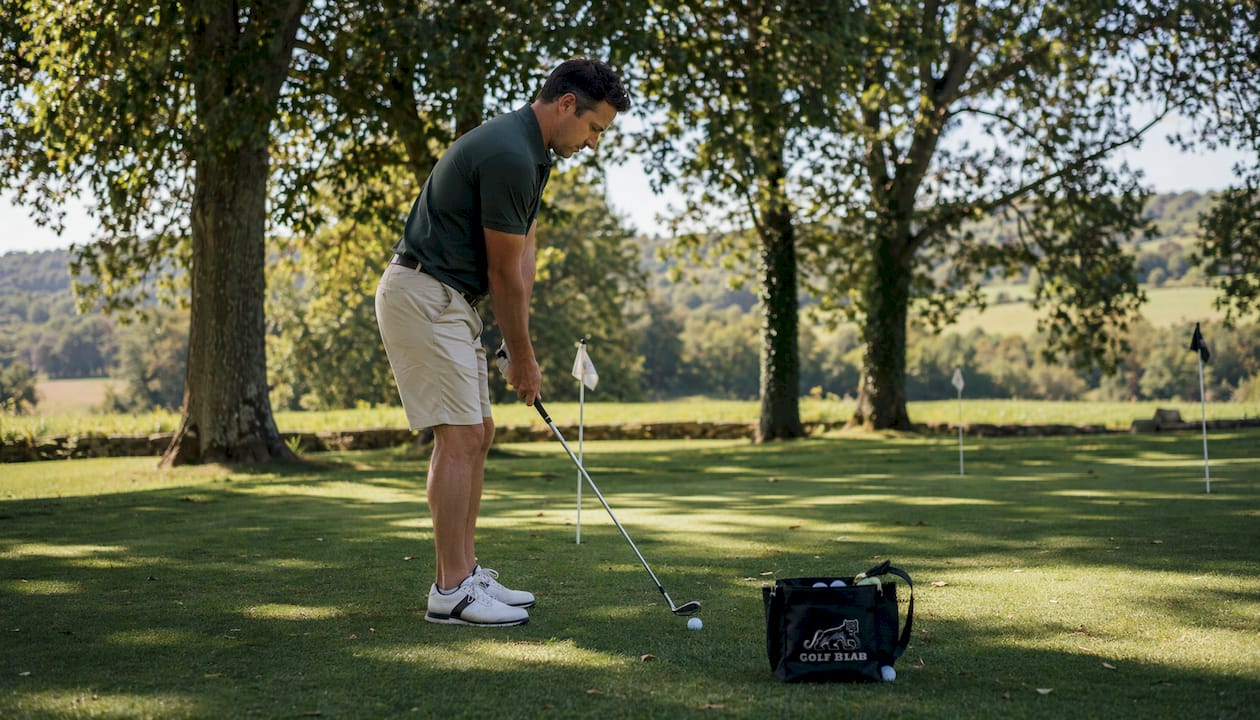
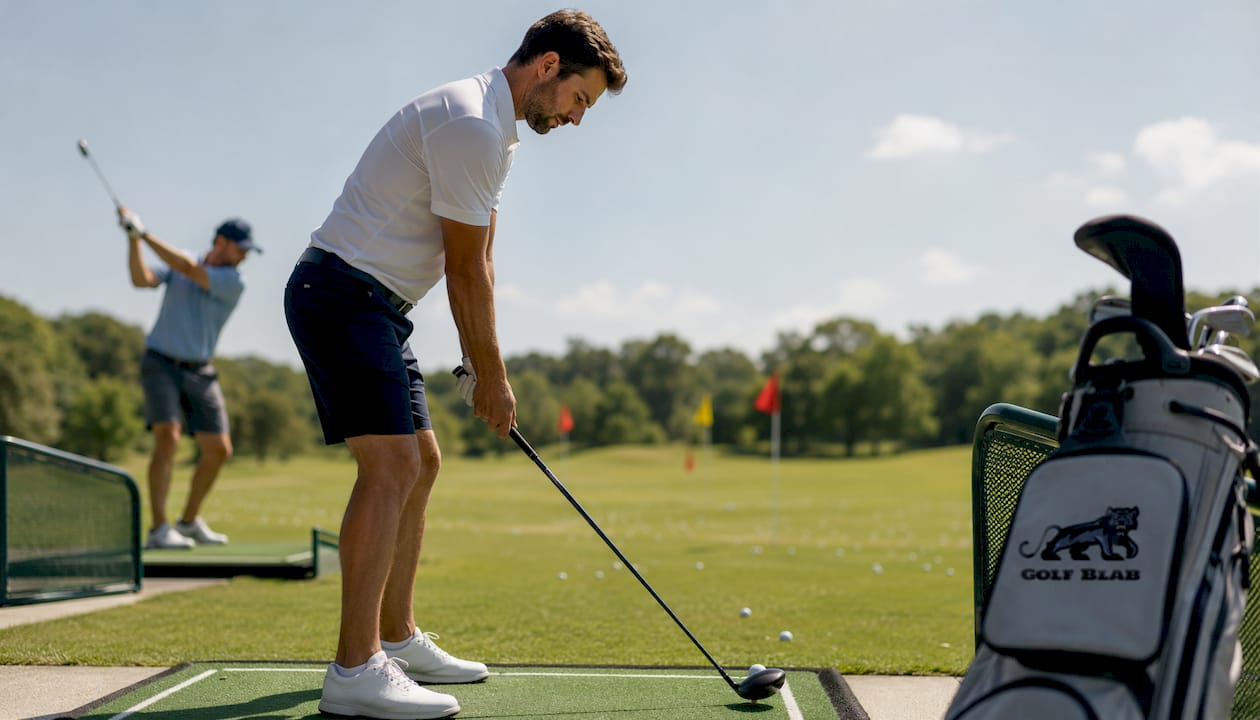
Golfer aligning clubface at driving range

The clubface angle is the single most decisive variable in determining where your golf ball starts its flight. Defined as the direction the clubface points at the moment of impact relative to the target line, it governs the ball’s initial launch direction far more than any other element of your swing. Titleist’s performance data confirms that on iron shots, face angle accounts for a large majority of the ball’s starting direction, rising even higher with the driver. That difference in influence between clubs is worth understanding deeply.

Here is what every golfer should grasp about face angle before stepping onto the first tee:

  • Square face angle: The clubface points directly at the target at impact, producing a straight starting line.
  • Open face angle: The clubface points right of the target (for right-handed golfers), sending the ball right of the intended line.
  • Closed face angle: The clubface points left of the target, launching the ball left.
  • Small deviations matter enormously: A face angle just 3–4 degrees open at impact with a driver can send the ball 20 or more yards off line by the time it lands.
  • Club type shifts the percentage: Research published in MDPI Proceedings found that the ball starts between 61% and 83% toward the face angle depending on the club, with drivers at the higher end and wedges at the lower.

Table of Contents

How clubface angle shapes your ball flight patterns

The relationship between face angle and ball flight is elegant in its logic, yet endlessly consequential in practice. When the clubface and swing path diverge at impact, the difference between them creates sidespin, which bends the ball through the air. The face-to-path differential is the governing formula: face angle minus club path equals the spin axis that determines curvature.

  • Draw: Clubface is closed relative to the swing path; the ball curves right-to-left for a right-handed golfer.
  • Fade: Clubface is open relative to the path; the ball curves left-to-right.
  • Hook or slice: Larger face-to-path differentials amplify the curve into more dramatic, often unintended shapes.
  • Pull-hook: A closed face combined with an out-to-in path produces a ball that starts left and curves further left.
  • Driver vs. iron vs. wedge: The driver’s lower loft makes it most sensitive to face angle; wedges, with their higher loft, show a slightly reduced face-angle influence on horizontal direction, though trajectory height becomes more pronounced.
  • Gear effect: Even a square face angle cannot guarantee a straight shot if contact is off-center. Heel or toe strikes twist the clubhead through gear effect, adding curvature independent of the face-to-path relationship.

Understanding shot shaping through face and path control becomes far more intuitive once you accept that the face is the compass and the path is the wind.

Why face angle dominates starting direction over club path

The older model of ball flight taught that the ball starts in the direction of the swing path. Modern data dismantled that idea entirely. According to experts like Tom F. Stickney II, clubface angle influences starting direction four to five times more than swing path. That is not a marginal advantage; it is a structural dominance.

Infographic showing clubface angle impact stats

Club path is measured as the direction the clubhead travels through the impact zone, projected onto a horizontal plane. It matters for curvature, but it is a secondary character in the story of direction. A golfer can have a perfectly on-plane swing path and still miss every fairway if the face is consistently open or closed at impact. This insight reshapes how you should prioritize your practice: modern ball flight teachings place face control at the center of any meaningful improvement plan.

Close-up of golf club path at impact

Practical ways to control your clubface angle during the swing

Grip and wrist position are the two levers most directly connected to face angle at impact. A weak grip tends to leave the face open; a grip that is too strong can close the face prematurely. Neither extreme serves you well without awareness of what the face is actually doing.

  • Grip check: Rotate your lead hand slightly clockwise (for right-handers) if you consistently see open-face misses; counterclockwise if you tend to close the face early.
  • Wrist awareness: A bowed lead wrist at the top of the backswing tends to close the face; a cupped wrist opens it. Knowing your tendency lets you make deliberate adjustments.
  • Alignment and stance: Proper address alignment sets the foundation; a misaligned stance often masks a face angle problem that is actually a setup problem.
  • Face awareness drills: Place a tee in the ground two feet in front of the ball on your target line. Practice half-swings and observe where the face points at impact relative to that tee.
  • Launch monitor feedback: Tools like TrackMan or Foresight Sports GCQuad give you a real-time face angle reading after every shot, removing guesswork from your practice sessions.

Pro Tip: Before your next round, take five practice swings focusing solely on returning the face to square at impact. Hold the finish and check where the face points. This single habit builds the proprioceptive memory that translates into tighter dispersion on the course.

What modern research and expert instruction confirm about face angle

Golfer practicing clubface control indoors

The science here is settled, and the implications for your game are profound. TrackMan data shows the driver’s face angle accounts for 85% of the ball’s starting direction, with iron shots at approximately 75%. The peer-reviewed MDPI study using both live players and a swing robot found the ball starts between 61% and 83% toward the face angle across all club types, with the robot data confirming a 63% influence even under perfectly controlled conditions.

Amateur golfers’ face angle varies by ±4° to ±6° across shots, roughly twice the inconsistency of their swing path. Elite players, by contrast, hold face angle within approximately ±1.5° for predictable, repeatable ball flight. That gap between amateur and tour-level consistency is almost entirely a face control story, not a path story. Gear effect from off-center strikes adds another layer of complexity, particularly with the driver, where heel and toe contact can curve the ball even when the face appears square at address.

How to measure your clubface angle accurately

Launch monitors use a universal sign convention: a positive face angle means the face points right of the target line (open for right-handers), while a negative value means it points left (closed). A reading of -3° tells you the face is 3 degrees closed at impact.

Several tools and methods serve golfers at different levels:

  • TrackMan and Foresight GCQuad: The gold standard for face angle measurement, used by tour coaches and club fitters worldwide.
  • Swing analysis apps: Apps like Hudl Technique or V1 Golf allow frame-by-frame video review to visually assess face position at impact.
  • Mitchell Golf equipment gauges: Proper club measurement uses the clubface attitude relative to the shaft plane, not the sole, for accurate loft, lie, and face angle readings during fitting.
  • Impact tape: Low-tech but revealing; tape on the face shows contact location, which combined with ball flight data helps diagnose gear effect versus pure face angle issues.

Key Takeaways

Clubface angle controls the majority of your ball’s starting direction, making it the highest-priority variable to master for accuracy and consistent shot shaping.

Point Details
Face angle governs starting direction The clubface controls about 75% of ball starting direction with irons and approximately 85% with the driver.
Face-to-path differential drives curvature The difference between face angle and club path determines whether the ball draws, fades, hooks, or slices.
Amateur inconsistency is a face problem Amateur face angle varies by ±4° to ±6° across shots, roughly twice the inconsistency of swing path.
Grip and wrist position are the primary levers Adjusting grip strength and lead-wrist angle at the top of the swing directly changes face angle at impact.
Golf Blab resources and products Golf Blab’s instructional content and Play Golf with a Tour Pro experience help golfers translate face angle knowledge into real on-course improvement.

Golf Blab brings face angle mastery within reach

Knowing the science behind face angle is one thing; building the feel and consistency to apply it under pressure is another. Golf Blab bridges that gap with a combination of expert-led instruction and products that make your game feel as sharp as it looks. The Play Golf with a Tour Pro experience puts you on the course alongside a professional who can diagnose your face angle tendencies in real time, offering the kind of feedback no range session alone can replicate. And when your clubs reflect your identity as much as your swing does, every round carries a deeper sense of purpose. Explore Golf Blab’s custom golf club labels to personalize the tools you are working so hard to master, and visit Golf Blab’s shop to find the next step in your game.

Posted on

Golf Group Learning Ideas for Skill and Social Growth

Group of golfers practicing putting together outdoors

Group golf learning ideas work best when they blend structured coaching, friendly competition, and genuine social connection — giving every golfer in the session a reason to return. Whether you are stepping onto the fairway for the first time or refining a mid-handicap game, the collective energy of a well-run group session accelerates progress in ways that solo range time rarely matches.

The most effective group learning formats include:

  • Themed practice sessions built around a single skill (short game, course management, bunker play)
  • Game-based drills such as Battleship chipping, Lunar Landing pitching, and Jeopardy-style rules quizzes
  • Contextual practice that mimics real course conditions, including pressure and decision-making
  • Peer feedback rounds where golfers observe and coach one another under instructor guidance
  • Technology-assisted sessions using launch monitors and swing analysis apps for shared data literacy
  • Social formats like “Coffee and Chipping” or “Pitching and a Pint” that lower barriers and build community

Group lessons also deliver measurable skill gains. A PLOS One randomized controlled trial found that tactical awareness training in group settings produced significant improvements across all measured subscales of strategic decision-making, while skill-based group training produced notable gains in putting accuracy and swing consistency. The social and motivational benefits are equally real: when golfers practice alongside peers who share their goals, accountability deepens and the sport becomes something to look forward to, not just work through.

Table of Contents

Why group golf lessons accelerate skill development

The case for group learning goes well beyond convenience or cost. Watching a fellow golfer work through the same swing challenge you face is itself a form of learning, activating the same mental rehearsal processes as physical practice. Peer observation sharpens your eye for movement patterns and gives you a vocabulary for self-correction that solo practice rarely builds.

Social interaction also sustains motivation across weeks and months. Group sessions serve both physical skill development and mental health through social bonding, and ongoing communication channels — a shared messaging group, a weekly WhatsApp thread with drill reminders — are key to keeping golfers engaged between sessions. That ongoing connection transforms a six-week course into a lasting community.

Friendly competition within the group adds another layer of engagement. When a drill has a score attached, golfers naturally invest more attention in each shot, which mirrors the focus required on the course. The result is practice that feels like play, and play that quietly builds technique.

Key advantages of group golf lessons at a glance:

  • Shared feedback accelerates error recognition and self-correction
  • Peer observation reinforces motor learning without additional instructor time
  • Friendly competition raises focus and emotional investment in each shot
  • Social bonds improve attendance, accountability, and long-term retention
  • Lower cost per session compared to private instruction, broadening access
  • Welcoming atmosphere reduces intimidation for beginners and returning golfers

How to choose the right instructor for group sessions

The qualities that make an excellent one-on-one instructor do not automatically translate to group settings. Managing four to eight golfers simultaneously demands a different set of skills: clear, concise communication that lands for every experience level in the room, the ability to read group energy and adjust pacing, and a genuine talent for delivering individual feedback without stalling the session for everyone else.

Look for an instructor who structures each session around a single, clear objective. As one PGA coach puts it, every golfer should leave with one clear win for their own game. That discipline prevents the common trap of trying to fix everything at once, which leaves participants confused rather than confident. A good group coach also keeps the session moving through mirror drills, no-ball exercises, and paired activities so that no one is standing idle.

Credentials matter, but teaching style compatibility matters more. An instructor who holds a PGA certification and can be found through the PGA coach directory brings a verified foundation in motor learning and coaching methodology. Beyond credentials, ask prospective instructors how they handle mixed-ability groups, how they deliver individual feedback within a group format, and what a typical session structure looks like.

Instructor selection criteria worth prioritizing:

  • PGA or equivalent coaching certification
  • Demonstrated experience with mixed-ability adult groups
  • Clear session objectives communicated before each lesson
  • Ability to deliver concise, individual feedback without halting group flow
  • Use of paired and mirror drills to maintain participant engagement
  • Willingness to cap group size at around eight for quality interaction

Setting individual and group goals that actually drive progress

Vague goals are the quiet enemy of group learning. When a golfer says they want to be “more consistent,” that phrase can mean a dozen different things, and an instructor who does not dig deeper will spend weeks coaching in the wrong direction. The most productive group sessions begin with a brief goal-setting conversation that translates broad ambitions into specific, measurable targets: reducing three-putts per round, landing approach shots within a defined zone, or completing a chip-and-run sequence with a particular club.

Balancing individual objectives with shared group goals requires deliberate structure. A group might collectively aim to complete a five-week short-game program, while each member tracks a personal metric within that framework. This layered approach respects the diversity of skill levels and motivations that naturally exist in any group, from the beginner who wants to break 100 to the mid-handicapper chasing a single-digit index.

Peer accountability is one of the most underused tools in group learning. When golfers share their weekly targets with the group, even informally, they create a social contract that sustains effort between sessions. Pairing golfers of similar ability for specific drills also allows for more targeted feedback and a natural check-in rhythm.

Practical goal-setting techniques for group sessions:

  • Start with one measurable personal goal per golfer before the first session
  • Connect individual goals to a shared group milestone for collective motivation
  • Use simple tracking tools — a scorecard, a notes app, a shared spreadsheet — to record progress
  • Revisit goals at the midpoint of a program and adjust based on actual performance
  • Encourage golfers to share one specific improvement each session, however small
  • Build in a brief reflection at the end of each session using the Plan-act-Review framework

Structured practice sessions: drills and exercises that keep groups engaged

The most common mistake in group practice is defaulting to blocked repetition — hitting the same shot from the same spot until the bucket is empty. Motor learning research is clear that contextual interference, mixing clubs, targets, and conditions within a session, produces better long-term retention than repetitive blocked practice, even though it feels harder in the moment. That productive difficulty is precisely the point.

Golf group practicing drill at driving range

Game-based drills solve the engagement problem while delivering the variability that learning requires. Battleship asks golfers to chip to target cones arranged in a grid, scoring points for direct hits. Lunar Landing sends pitches to distance zones marked on the fairway, rewarding precision over power. Jeopardy-style rules quizzes run as team trivia, building course knowledge while giving golfers a mental break between physical reps. These game-based activities boost engagement through friendly competition and break the monotony that kills motivation in longer sessions.

Pro Tip: Pair golfers of different ability levels for game-based drills rather than grouping by skill. The stronger player develops communication and observation skills; the newer golfer benefits from watching a more experienced swing up close. Both leave with more than they came in with.

A well-structured 60-minute group session might look like this: ten minutes of warm-up and goal review, twenty minutes of a paired mirror drill targeting the day’s technical focus, twenty minutes of a competitive game-based activity, and ten minutes of group reflection using the PaR framework. Keeping the group moving and the format varied prevents the mental fatigue that sets in when sessions feel like assembly lines.

Sample drills and exercises for group sessions:

  • Battleship chipping: target cone grid, scored by accuracy
  • Lunar Landing pitching: distance zones, rewarding controlled trajectory
  • 21 Chipping: team-based point accumulation with zone scoring
  • Jeopardy rules quiz: team trivia on golf rules and etiquette
  • Mirror drill pairs: one golfer swings, one observes and gives one-word feedback
  • Pressure putting ladder: sequential putts with a consequence for missing, simulating course nerves
  • Explore more golf challenge ideas for additional competitive formats

How technology can sharpen group learning without overwhelming participants

Launch monitors, 3D motion capture systems, and swing analysis apps have moved from tour vans to public teaching bays, and their presence in group sessions can transform abstract coaching cues into concrete, shared data. Seeing ball speed on a screen after a drive gives every golfer in the group an immediate reference point, one that is far more memorable than a verbal description of tempo or contact quality.

The risk is data overload. Introducing too many metrics at once fragments attention and can make newer golfers feel that the technology is judging them rather than helping them. The most effective approach is to introduce metrics gradually, starting with ball speed before adding launch angle, and only introducing spin rate once the group has developed a shared vocabulary for the earlier metrics. That sequencing builds data literacy organically, turning numbers into tools rather than obstacles.

Shared terminology is the bridge between raw data and genuine learning. When every golfer in the group understands what “carry distance” means and can relate it to their own swing, the data becomes a conversation rather than a lecture. Group members start coaching each other with precision, referencing specific numbers rather than vague impressions.

Key technology tools and usage principles for group sessions:

  • Launch monitors (e.g., Trackman, FlightScope): start with ball speed and carry distance only
  • Swing analysis apps (e.g., V1 Golf, Hudl Technique): use side-by-side video for peer comparison
  • 3D motion capture systems: best reserved for advanced groups with established data literacy
  • Introduce one new metric per session, not one per shot
  • Build a shared glossary of terms before the first technology-assisted session
  • Use data as a conversation starter, not a verdict on performance

Research-backed methods and community building for lasting group progress

The most durable group learning programs are built on motor learning science, not habit or tradition. The PaR framework, drawn from peer-reviewed motor learning research, reframes practice as a problem-solving activity rather than a repetition exercise. Golfers who plan each shot deliberately, execute it, and then review the outcome with genuine curiosity develop error-detection skills that transfer directly to the course. The research argues that overemphasizing the act of swinging, at the expense of planning and review, is the single most common error in golf practice.

The Practice Thinkers’ DTP framework (Develop, Train, Perform) extends this thinking into a phased structure that group coaches can adopt across a multi-week program. The Develop phase encourages exploration of movement solutions in a low-pressure environment. The Train phase introduces task difficulty and competitive pressure to push golfers beyond their current ceiling. The Perform phase consolidates what has been learned, allowing golfers to execute with confidence rather than experiment. Integrating situational and emotional challenges into the Train phase, such as simulating a one-shot lead with five holes to play, produces practice environments that genuinely mirror course pressure.

Community building is the often-overlooked multiplier in all of this. Creative session branding, “Coffee and Chipping” on a Tuesday morning, “Pitching and a Pint” on a Friday evening, reduces learner intimidation and signals that the group is a welcoming space rather than a performance arena. Social media, particularly Instagram and Facebook groups, extends that community beyond the lesson tee, keeping golfers connected, motivated, and visible to one another between sessions.

Pro Tip: End every group session by asking each golfer to name one thing they will practice before the next meeting. That single commitment, spoken aloud in front of peers, dramatically increases the likelihood of follow-through.

Evidence-based strategies for group golf learning:

  • Apply the PaR framework: plan deliberately, execute, review with curiosity
  • Use the DTP structure across a multi-week program for phased skill development
  • Introduce situational and emotional challenges in the Train phase to simulate course pressure
  • Build a shared communication channel (messaging app, social group) for between-session engagement
  • Use creative session names and social media to grow community visibility and reduce intimidation
  • Pair peer feedback with instructor guidance to reinforce learning without overloading the coach

Golf Blab brings your group learning to life

Group practice reaches a different level when the experience carries a personal dimension. Golf Blab offers golfers two ways to make that happen. The Play Golf with a Tour Pro experience places you and your group directly alongside a professional golfer, turning a standard session into a masterclass in decision-making, course management, and competitive mindset. It is the kind of access that no amount of range time can replicate, and it fits naturally into the social, skill-building spirit that makes group learning so rewarding.

For golfers who want to carry that sense of identity onto the course, Golf Blab’s custom golf club labels let every member of the group personalize their equipment with designs that reflect who they are as a player. Beyond aesthetics, that personal mark builds a sense of ownership and pride that quietly reinforces commitment to improvement. Golf Blab’s educational resources, developed with insights from LPGA professional Mariel Galdiano, extend the learning well beyond any single session. Visit Golf Blab to explore both offerings and find the next step that fits your group.

Key Takeaways

Group golf learning works best when structured practice, social engagement, and research-backed coaching methods are combined into a single, cohesive program.

Point Details
Game-based drills drive retention Activities like Battleship chipping and Lunar Landing pitching build skills through competition, not repetition.
Contextual interference beats blocked practice Mixing clubs, targets, and conditions within a session produces better long-term skill retention.
Session length and group size matter Sixty-minute sessions capped at around eight golfers allow for meaningful individual feedback and sustained engagement.
Technology works best introduced gradually Starting with ball speed before adding launch angle prevents data fatigue and builds shared data literacy.
Golf Blab deepens the group experience The Play Golf with a Tour Pro experience and custom club labels add professional insight and personal identity to group learning.
Posted on

Short Game Strategy Steps to Lower Your Score in 2026

Amateur golfer practicing chip shots on green

The fastest path to a lower handicap runs through the short game, not the driving range. Most amateur golfers lose the majority of their strokes within 50 yards of the green, and the fix is rarely about technique alone. It is about following a clear set of short game strategy steps that govern assessment, shot selection, and mental commitment before the club ever moves.

Close-up of golfer hand grip and ball setup

What are the core short game strategy steps you should follow?

Every productive round around the greens begins with a decision hierarchy, not a swing thought. Here is the sequence that PGA-level coaches and tour professionals consistently endorse:

  • Read the lie first. Spend 15 seconds assessing ball position, grass thickness, ground firmness, and slope direction before you consider any shot type.
  • Choose your shot in order of risk. Putt first whenever a reasonable path exists to the hole. Chip second when putting is not viable but a low trajectory works. Pitch only when you must carry trouble or stop the ball quickly.
  • Select a landing area, not the flag. Aiming at the flag from outside 15 yards dramatically increases your exposure to short-side misses and double bogeys.
  • Apply the three-zone system. From more than 30 yards, target the center of the green (safety zone). From 15–30 yards with a good lie, aim at the pin-side quarter of the green (percentage zone). Inside 15 yards with a clean lie, commit directly to the pin (attack zone).
  • Use a green-light/yellow-light/red-light framework. A green-light shot is one where the club fits, the target fits, and a miss is manageable. Yellow means aim toward the fat side. Red means the penalty for missing is too severe to be aggressive.
  • Commit fully before you swing. Indecision at address is one of the most reliable predictors of a poor short game shot.
  • Evaluate and reset after every shot. If the shot fell short of your intention, assess the process, not just the outcome, then move on.

Pro Tip: Pick the smallest specific target you can genuinely commit to, whether that is a shadow on the green, a discoloration in the grass, or a precise landing spot two feet past the fringe. Vague targets produce vague results.

Common short game mistakes that are costing you strokes

The gap between a 15-handicap and a 10-handicap is often not swing mechanics. It is decision-making errors that compound across a round.

  • Aiming at the flag. Amateurs who aim at the flag instead of safe landing zones consistently create short-side misses that lead to double bogeys. The flag tells you where the hole is, not where to aim.
  • Under-clubbing. Choosing a club that only reaches the target on a perfect swing means your average swing lands short, often in a bunker or thick rough. Adding one club and swinging with controlled tempo produces more greens.
  • Over-swinging on finesse shots. Acceleration that works for a full iron becomes destructive on a 20-yard chip. Short game shots demand feel, not force.
  • Skipping the pre-shot routine. Golfers who stand over the ball without a defined routine tend to freeze, stare at the ball, and disconnect from the shot’s intended feel. That static posture is the opposite of athletic execution.
  • Ignoring green conditions. Fast greens reward lower trajectory shots and more conservative landing zones. Soft greens allow more aggressive pin hunting. Playing the same shot regardless of conditions is a reliable way to leave yourself difficult putts.
  • Neglecting the mental reset. Carrying frustration from a previous hole into a short game decision clouds judgment and tightens the swing. Each shot deserves a clean slate.

How to practice your short game with drills that actually transfer

Random chipping for an hour builds comfort, not skill. The drills that genuinely transfer to the course isolate one element per session and introduce measurable pressure.

  • Day 1, chipping distance control. Set three targets at 10, 20, and 30 feet from the fringe. Hit 10 chips to each with the same club, scoring one point for finishing inside a 3-foot circle. Target: 18 out of 30.
  • Day 2, the ten-yarder. Chip 10 balls from just off the green to a hole 10 yards away. Count how many finish inside 3 feet. This drill rewards precision over a single, repeatable distance, which is exactly what most rounds demand.
  • Day 3, lag putting speed. Hit 10 putts from 40-plus feet, focusing entirely on speed control. Most three-putts come from poor distance judgment, not poor line. Target: 6 out of 10 finishing within 3 feet.
  • Day 4, bunker saves. Hit 10 balls from a greenside bunker lie, aiming for a 6-foot circle around the hole. If bunker access is limited, substitute chips from tight lies.
  • Day 5, the 3-2-1 pressure test. Make 3 putts from 3 feet, then 2 from 6 feet, then 1 from 10 feet, all in sequence without a miss. Miss any putt and restart. This drill reveals whether your skills hold under self-imposed stakes.
  • Day 6, up-and-down combination. Play 9 “holes” from just off the green, chipping then putting out. Count how many you complete in 2 shots or fewer.
  • Day 7, retest. Repeat Day 1 and Day 3 exactly. Compare your scores. If the numbers moved, the plan worked.

Pro Tip: 20–30 minutes with a single clear focus beats 90 minutes of aimless practice. Raise your scoring targets each cycle rather than repeating the same drill at the same standard.

For a deeper look at building structured practice routines, Golf Blab’s practice resources walk through progressive skill isolation in detail.

Female golfer practicing putting drill indoors

Key techniques for chips, pitches, and the flop shot

Each short game shot type has a distinct setup, and confusing them is one of the most common sources of inconsistency.

Chip shot setup and execution:

  • Play the ball slightly back of center in your stance, with weight favoring your lead foot (roughly 60%).
  • Use a putting-style grip with minimal wrist hinge to keep the clubface stable through impact.
  • Sweep the ball with a shallow angle of attack, letting the club’s loft do the work.
  • Club selection matters more than most golfers realize. A 7-iron or 8-iron chip that runs to the hole is often more reliable than a wedge that requires precise spin control.

Pitch shot mechanics:

  • Position the ball in the center of your stance and allow a natural wrist hinge on the backswing.
  • Accelerate through the ball with a full follow-through, matching backswing length to the required distance.
  • Trajectory and spin are controlled by loft selection and the angle of attack, not by scooping.

Flop shot execution:

  • Open the clubface significantly before taking your grip, then open your stance to match.
  • Swing along your body line, not the target line, which creates the steep angle needed to slide under the ball.
  • Commit fully. A decelerated flop shot is the most common cause of skulled chips across the green.

Pro Tip: Before selecting a flop shot, ask whether a bump-and-run or a standard pitch achieves the same result with less risk. The flop shot is a specialty tool, not a default.

  • Trajectory control. Lower loft clubs produce more roll and less carry. Higher loft clubs produce more carry and less roll. Match the trajectory to the amount of green you have to work with.
  • Spin awareness. Spin requires clean contact and a firm lie. From rough or a fluffy lie, plan for the ball to release more than expected.

How to think clearly and make better decisions during short game shots

The mental side of the short game is where most golfers leave the most strokes. Golf psychology expert David MacKenzie advises players to move through three distinct phases before and during every short game shot.

  • Decision phase. Assess the lie, slope, wind, and green speed. Identify trouble areas and safe zones. Determine which shot type fits the situation.
  • Rehearsal phase. Connect with the look and feel of the shot before addressing the ball. Visualize the ball’s flight, landing spot, and roll. This phase tells the brain which muscles to engage, replacing mechanical swing thoughts with athletic intention.
  • Athletic (engagement) phase. Once over the ball, stay focused on the target and the anticipated feel of the shot. Tour players glance at the target repeatedly while addressing the ball. Amateurs who stare at the ball and go static disconnect from the shot’s intended feel, which produces tension and poor contact.

The green-light/yellow-light/red-light system from the strategy steps section applies directly here. Before committing, ask whether the shot is genuinely a green-light situation or whether anxiety is pushing you toward aggression the lie does not support.

Pro Tip: After a poor shot, evaluate your process, not your swing. Ask whether your decision phase was rushed, your rehearsal was skipped, or your commitment wavered. Process errors are fixable; outcome fixation is not.

Infographic showing five short game strategy steps

Equipment selection and setup tips specific to the short game

Your wedge setup is a direct reflection of your short game ambitions. Most golfers carry a pitching wedge (typically 44–48 degrees of loft), a gap wedge (50–52 degrees), a sand wedge (54–56 degrees), and a lob wedge (58–60 degrees). The gaps between those lofts should be consistent, usually 4–6 degrees apart, so you have a reliable club for every distance window from 40 to 120 yards.

Bounce angle is the underappreciated variable. Higher bounce (10–14 degrees) suits soft turf and bunker play, preventing the leading edge from digging. Lower bounce (4–8 degrees) performs better on firm, tight lies where a shallower angle of attack is needed. Matching bounce to your typical course conditions and swing style produces more consistent contact than loft selection alone.

Grip pressure deserves attention too. A lighter grip pressure on wedge shots promotes feel and reduces tension through impact. Many golfers unconsciously tighten their grip under pressure, which kills the finesse that short game shots demand. Practice with deliberate attention to grip pressure until a relaxed hold becomes automatic.

Course management strategies that protect your short game score

Course management is the art of thinking your way around a course rather than swinging your way out of trouble. For the short game specifically, it means making decisions before you reach the green that give you the most forgiving approach angles.

Approach shots that miss to the short side, between the flag and the nearest edge of the green, consistently produce the most difficult recovery situations. Aiming to the fat side of the green, even when it means a longer putt, eliminates the worst outcomes. A 25-foot putt from the safe side of the green is almost always preferable to a delicate flop from tight rough beside the pin.

Pin position strategy follows a simple principle: play away from the hazard. When a flag is tucked within 8 feet of a bunker, water, or out-of-bounds, the risk-reward calculation rarely favors attacking it. Two-putt pars accumulate into respectable rounds. Hero shots from difficult lies accumulate into double bogeys.

Before every short game shot, run a 5-decision checklist: identify the danger, assess your average shot (not your best), confirm you are aiming at the safe side, verify you have enough club, and ask whether a miss produces a double bogey. If the answer to that last question is yes, change the plan. The whole process adds roughly 10 seconds per shot and consistently saves strokes across a full round.

For a broader look at golf strategy tips that extend these principles across the full course, Golf Blab’s strategy guides offer a practical companion to everything covered here.

Golf Blab brings your short game improvement to life

Mastering the short game is a pursuit that rewards both the disciplined mind and the well-prepared golfer. Golf Blab offers the educational resources, professional partnerships, and personalized products that make that pursuit feel as personal as it is purposeful. From instructional content developed alongside LPGA professionals like Mariel Galdiano to the chance to play alongside a tour pro and experience elite short game decision-making firsthand, Golf Blab connects the lessons in this guide to real, on-course application. You can also mark your clubs with custom golf club labels that reflect your identity and keep your setup organized, because the golfer who feels ownership over their equipment tends to play with greater confidence and intention. Visit Golf Blab to find the resources, products, and community that match where your game is headed.

Key Takeaways

The single most effective short game improvement is replacing flag-aiming with a three-zone targeting system that matches shot selection to lie quality, distance, and risk tolerance.

Point Details
Prioritize shot selection order Putt first, chip second, pitch only when you must carry trouble or stop the ball quickly.
Use the three-zone targeting system Safety zone (center of green) from 30-plus yards; percentage zone from 15–30 yards; attack zone inside 15 yards with a clean lie.
Practice with structure and pressure A 7-day drill plan isolating one skill per session, with a 3-2-1 pressure putting test, builds skills that transfer to the course.
Apply a three-phase mental process Move through decision, rehearsal, and athletic phases before every short game shot to stay connected to the intended feel.
Golf Blab resources and products Golf Blab pairs instructional content and professional partnerships with personalized products to support every stage of short game development.