Posted on

What Is Golf Shot Tracking and How It Works

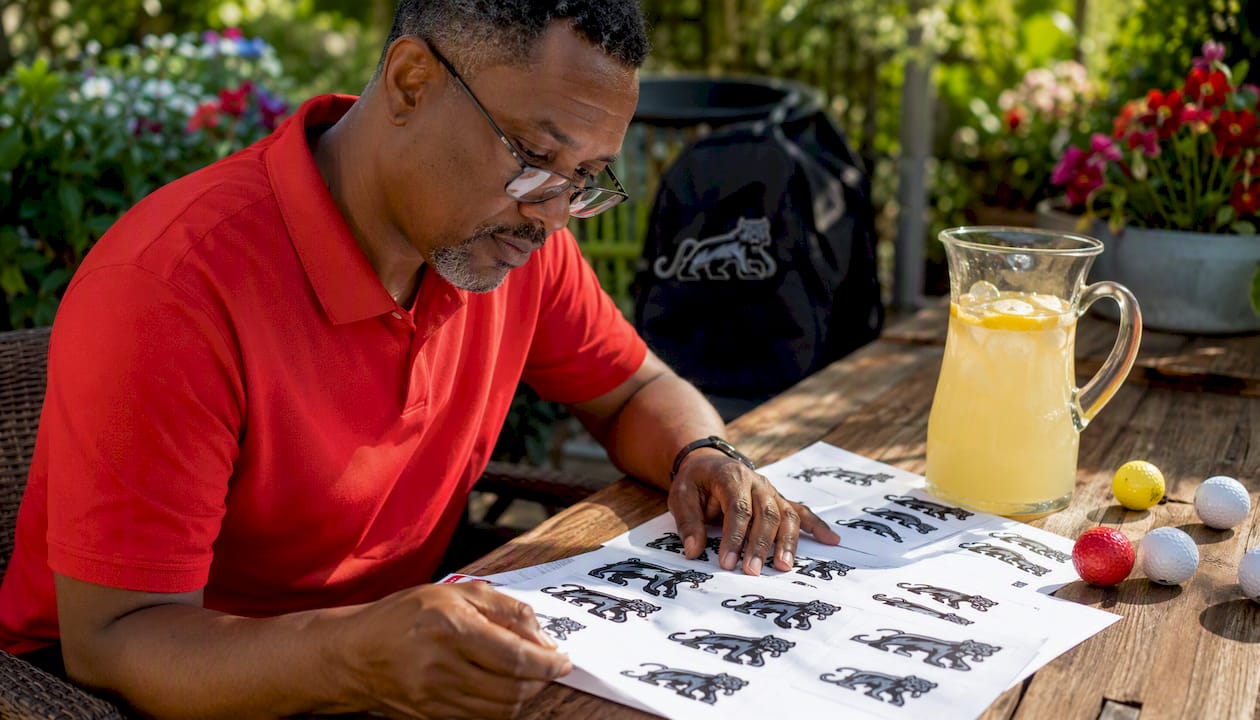
Golfer on clubhouse patio reviewing shot tracker


TL;DR:

  • Golf shot tracking records every shot to identify performance patterns and reduce strokes.
  • It utilizes club sensors, GPS devices, or AI apps, costing from free to over $250.
  • Consistent use and data review improve focus on key metrics like greens in regulation and driving distance.

Most golfers have a vague sense that they’re losing strokes somewhere, but they can’t name where. That’s exactly the problem that golf shot tracking solves. At its core, what is golf shot tracking? It’s the process of recording every shot you hit during a round, then turning that raw data into patterns you can actually act on. Technology has made this accessible to every level of player, not just tour professionals with a team of analysts. And the results speak for themselves: golfers using performance tracking save an average of 4.1 strokes per round by identifying specific weaknesses.

Table of Contents

Key takeaways

Point Details
Tracking reveals real weaknesses Data exposes exactly where you lose strokes so you can fix the right things.
Multiple technologies available Club sensors, GPS watches, and AI apps suit different budgets and play styles.
Six metrics drive improvement Tee shots, driving distance, greens in regulation, chips, three-putts, and short putts matter most.
Accuracy requires your input Even automatic systems need you to confirm pins and shots for reliable putting data.
Data is only useful when applied Review stats regularly and set specific goals, or the numbers just collect dust.

What golf shot tracking actually is

Golf shot tracking is the systematic recording and analysis of every shot taken during a round, capturing data points like distance, location, club used, and outcome. That’s the clean definition. The more useful way to think about it: it turns your guesswork into evidence.

Most golfers think they know their game. They believe they hit their 7-iron 165 yards, that their short game is solid, and that putting is where rounds fall apart. Tracking reveals actual performance over multiple rounds, and those beliefs are often wrong by a significant margin.

There are three primary methods used in modern golf shot tracking technology today:

  • Club sensor systems: Small tags or sensors screw into the grip end of each club. When you hit a shot, the sensor communicates with a GPS watch or smartphone app. The watch knows your location, the sensor tells it which club you used, and the software plots the shot on a course map.
  • GPS watches and handhelds: These devices track your position on the course using GPS coordinates. More advanced models use accelerometers to detect swings and log shots automatically, without any club tags required.
  • AI-powered mobile apps: The newest generation uses artificial intelligence to detect shots through your phone’s motion sensors or a dedicated wearable. Arccos Air automatically detects every shot through motion capture trained on over 1.5 billion shots, removing the need for club sensors entirely.

Costs range widely. Technology and price points span from free smartphone apps to systems costing $250 or more, making golf tracking technology genuinely accessible regardless of your budget.

Pro Tip: If you’re just starting out with shot tracking, use a free app for two or three rounds before committing to hardware. You’ll quickly learn which metrics you actually care about, and that tells you which device is worth buying.

The metrics that reveal where you’re really losing strokes

Once you understand what golf shot tracking captures, the next question is: which numbers actually matter? There’s no shortage of data points, but not all of them point toward lower scores.

Infographic ranking main golf shot analysis metrics

Six key metrics benchmark score improvements most effectively for amateur golfers: troublesome tee shots, driving distance, greens in regulation (GIR), multiple chip shots, three-putts, and missed putts inside five feet. These aren’t arbitrary choices. They represent the clearest connections between shot patterns and scorecard outcomes.

Here’s why this matters in practice. A golfer who averages 14 GIR per round has an entirely different problem set than one averaging 7. Tracking gives you that number honestly, across 10 rounds, not just on days when everything clicked. The golfer hitting 7 GIR needs to work on approach shots. The one at 14 GIR is throwing shots away on the green.

“Lower scores come from incremental, data-driven decisions targeting specific weak points rather than seeking a single magic fix.” — Shot Scope analysis

That quote cuts to the heart of what golf shot analysis is for. Most amateur golfers chase swing tips from YouTube or spend hours on the range without a clear target. Tracking gives you the target.

The area where golfers most frequently get a reality check is driving distance. Most golfers overestimate their driving distance. They remember the one time they flushed a drive 265 yards downhill with the wind. Tracking records every drive, including the ones that came up short and found trouble, and gives you a true average plus your typical miss pattern. That information alone changes club selection off the tee in ways that save real strokes.

Golfer with GPS watch checking driving distance

One caution worth flagging: over-analyzing irrelevant data metrics can cause analysis paralysis. PGA professionals recommend keeping your focus on factors directly connected to shot shape and scoring outcomes. More data is not always better. Knowing your dispersion pattern on approach shots is actionable. Knowing your exact swing tempo in milliseconds is probably not, unless you’re working with a coach who specifically needs it. For how these golf strategy tips connect to the numbers you’re tracking, that’s worth reading alongside your data review.

Comparing the best golf shot tracking options

The market has matured enough that golfers at every level have genuinely strong options. The right choice depends on how you play and how much friction you’re willing to accept during a round.

Device Type Cost Range Subscription Ease of Use Best For
GPS watch with club tags $150 to $250 Some fee-free options Moderate Data-focused golfers who want full stats
AI-powered wearable $100 to $200+ Often included High Players who want automatic, hands-free tracking
Smartphone app only Free to $30/year Low or none High Casual players testing tracking for the first time
Handheld GPS device $100 to $200 Usually none High Golfers who prefer not to wear a watch

Subscription fees vary significantly across platforms. Some systems charge annual fees that add up fast for regular players, while others like Shot Scope build analytics into the device with no ongoing cost. Over three years of regular play, that difference can run into hundreds of dollars.

The AI category deserves special attention because it represents a real shift in how shot tracking works. Previous systems required you to install small tags into every club grip, which took time and occasionally caused issues with older grips. AI-powered options eliminate that entirely. The tradeoff is that AI detection, while impressive, can occasionally misread a practice swing or a bump-and-run as a full shot, so you still need to review data after rounds.

Battery life is one specification that many golfers overlook when choosing a GPS watch. GPS watch devices often last only 4 to 5 hours with full tracking enabled. A slow round at a busy course can run five hours easily, which means some golfers are losing data on the back nine. Check the battery spec before you buy, and factor in whether the device offers a power-saving mode that preserves tracking at reduced GPS accuracy.

Choosing between watches, handhelds, and club tag systems really comes down to play style and how much you want the technology to blend into your routine. A golfer who already wears a watch daily will adapt to a GPS watch faster than someone who finds wearing anything on the wrist distracting.

Pro Tip: Before purchasing any tracking device, spend one round manually logging your shots in a notes app. You’ll immediately understand which data points you genuinely want to track and which ones you’d never use. That 20-minute experiment can save you $200.

How to use shot tracking effectively

Having a tracker and using it well are two different things. Here are the practices that separate golfers who actually improve from those who just collect data:

  1. Confirm your shots and pin positions every hole. Even the best automatic systems misidentify shots occasionally. Spending 30 seconds per hole reviewing what the app recorded keeps your putting statistics clean. Accurate pin location recording is particularly important because inaccurate pin data distorts putting stats, making your short game look better or worse than it actually is.

  2. Charge your device the night before every round. This sounds obvious, but battery management for GPS tracking devices is critical. Some golfers carry a small portable charger in their bag as insurance for longer rounds. Losing tracking data on holes 15 through 18 because your watch died leaves a gap in your stats.

  3. Schedule a 15-minute data review after each round, not just occasionally. The insight from one round is interesting. The pattern across eight rounds is where you actually learn something. Use your post-round coffee to check which metrics moved and which stayed stuck.

  4. Set one specific improvement goal per month based on your data. If your tracking shows you’re three-putting on 4 out of 18 holes on average, make that your singular focus for the next four weeks. Setting improvement goals tied directly to tracked metrics gives your practice sessions a clear purpose instead of general hitting.

  5. Keep the technology in its place. Tracking is a tool, not a game. If obsessing over statistics is making you tense on the course, dial it back. Review data at home, not between shots. Golf is still meant to be enjoyable, and no amount of data is worth ruining the round itself.

My honest take on golf shot tracking

I’ve watched golfers spend significant money on tracking devices and get almost no benefit from them, not because the technology failed, but because they never changed their behavior based on the data. They looked at the stats, nodded, and went right back to the same practice habits.

Here’s what I’ve learned: tracking works when it makes you uncomfortable. Not annoyed, but genuinely confronted with something you couldn’t explain away before. For me, that was seeing my GIR numbers across a full season and realizing my approach play was mediocre from 150 yards and in. I had convinced myself I was losing rounds on the greens. The data disagreed.

What I’ve found actually works is treating your worst metric as your only metric for a defined period. Pick the number that stings the most, work on that one thing for a month, and track whether it moves. This is simpler than building a spreadsheet dashboard of 20 stats. It’s also more effective.

I’d also say this: technology transforms golf instruction when it removes the guesswork from coaching conversations. Walking into a lesson with six rounds of tracked data and saying “my GIR from 125 to 150 yards is 22%” is far more productive than saying “I think my irons are a little off.” Your instructor can actually work with that.

The golfers who get the most out of tracking aren’t the ones with the fanciest devices. They’re the ones who look at their numbers honestly and let that honesty guide where they spend their practice time.

— Michael

Take your game further with Golf-blab

https://golf-blab.com

At Golf-blab, we’re all about giving you tools that make a real difference on the course. If tracking data has told you it’s time to get more intentional about your equipment setup, our custom golf club labels make it easy to organize your bag exactly the way your tracking system needs. Clear club identification means fewer mis-logged shots and a cleaner data set round after round. Browse the full Golf-blab shop for gear that supports how you play, or head to our Learning Center for strategy content that turns your tracking data into a real game plan. And if you know a golfer who’s serious about improving, a Golf-blab e-gift card gives them the freedom to grab exactly what their game needs next.

FAQ

What is golf shot tracking in simple terms?

Golf shot tracking is the process of recording every shot you hit during a round and analyzing that data to identify patterns in your game. It reveals where you are actually losing strokes compared to where you think you are.

How do golf shot trackers work?

Most systems use GPS to record your position on the course, combined with club sensors or AI motion detection to identify which club you used and where each shot landed. The data syncs to an app that maps your shots and builds performance statistics over time.

What metrics matter most in golf shot analysis?

The six most impactful metrics are tee shot accuracy, driving distance, greens in regulation, chip shot proximity, three-putts, and missed putts inside five feet. These metrics connect most directly to your score.

Do I need expensive equipment to track my golf shots?

No. Free and low-cost smartphone apps can get you started with basic shot logging. Hardware options like GPS watches or AI wearables range from around $100 to $250, with some platforms offering no ongoing subscription fees.

How accurate is automatic golf shot tracking?

Automatic systems are generally reliable but accurate pin recording still benefits from manual confirmation after each hole. Putting statistics in particular can be skewed if pin positions aren’t logged correctly, so a quick review after each green keeps your data trustworthy.

Posted on

Rol del entrenamiento mental en golf: guía práctica

Un golfista se toma un momento para planear su tiro antes de golpear la bola en el campo.

El golf no es solo golpear una pelota con un palo. Cualquier golfista que haya competido bajo presión lo sabe. El rol del entrenamiento mental en golf determina, más que cualquier técnica de swing, si vas a aguantar en los últimos hoyos o si te vas a desmoronar cuando más importa. Y aquí está el dato que pocos conocen: los golfistas tienen una esperanza de vida 5 años mayor que la población general, en parte gracias a los beneficios cognitivos y emocionales que el juego exige. Si ya practicas golf, estás haciendo algo muy bien. Ahora toca sacarle todo el partido posible.

Tabla de contenidos

Puntos clave

Punto Detalles
El golf es un deporte mental La fortaleza psicológica diferencia a los jugadores de élite de los jugadores promedio más que la técnica física.
La confianza se construye, no nace Basarte en tu rendimiento previo bajo presión es la única forma de generar confianza real y sostenida en competición.
El reseteo post-error es una habilidad Practicar una rutina escrita de respiración y palabra clave evita reacciones impulsivas y mantiene el foco.
Mente y cuerpo van juntos Integrar sesiones mentales con el entrenamiento físico y técnico produce resultados más duraderos y completos.
Los mitos frenan tu progreso Creer que la confianza es mágica o que los resultados son inmediatos sabotea cualquier trabajo mental serio.

Rol del entrenamiento mental en golf: fundamentos

Antes de entrar en técnicas, necesitas entender qué significa realmente el entrenamiento mental en golf. No es repetir afirmaciones positivas frente al espejo. No es “pensar bonito” antes de un putt complicado.

El entrenamiento mental en golf es el trabajo sistemático sobre los procesos cognitivos y emocionales que determinan tu rendimiento: atención, toma de decisiones, gestión del estrés, resiliencia ante el error y confianza sostenida bajo presión. La psicología deportiva es la base científica detrás de todo esto.

El golf activa áreas cerebrales para planificación y toma de decisiones complejas de una forma que pocos deportes logran. Cada hoyo requiere evaluar distancias, condiciones del viento, estado emocional propio y decisiones estratégicas en segundos. Eso es una carga cognitiva enorme.

La diferencia entre el entrenamiento físico y el mental es simple: puedes entrenar tu swing durante 1.000 horas y seguir derrumbándote en el hoyo 17 si tu mente no está entrenada para soportar la presión. El entrenamiento físico te da las herramientas. El mental te enseña a usarlas cuando más duele.

Los procesos clave que trabaja el entrenamiento mental incluyen:

  • Atención selectiva: Filtrar el ruido externo, los comentarios del caddie o la galería, y mantener el foco en el golpe que tienes delante.
  • Visualización: Crear imágenes mentales del golpe antes de ejecutarlo para programar la respuesta motora.
  • Regulación emocional: Gestionar la ansiedad, la frustración y el exceso de confianza sin que afecten al juego.
  • Resiliencia: Recuperarse del error anterior sin que contamine el siguiente golpe.

La masa mental en golf es un concepto desarrollado por la psicóloga Sofía Cornejo que define esta fortaleza como una combinación de autoconocimiento y confianza construida desde el rendimiento real. No es un regalo. Se trabaja.

Beneficios reales del entrenamiento mental en golf

Los beneficios del entrenamiento mental en golf van mucho más allá de jugar mejor. Tienen impacto directo en tu salud, tu bienestar y tu longevidad.

Un golfista anotando sus impresiones y comentarios después de terminar una partida.

Beneficio Evidencia
Mayor concentración bajo presión Reducción de errores en situaciones de alta tensión competitiva
Mejora del bienestar emocional Practicar golf 2.5 horas diarias reduce efectos de la depresión, especialmente en mujeres
Salud cognitiva sostenida El entrenamiento cognitivo mejora indicadores mentales en personas de 19 a 94 años
Mayor confianza en competición La confianza basada en rendimiento previo resiste mejor la presión del torneo
Rendimiento más consistente Menos altibajos emocionales entre hoyo y hoyo durante la ronda

El dato de la Universidad de Texas en Dallas es contundente: con 3.966 participantes, el estudio demostró que el entrenamiento cognitivo constante mejora los indicadores mentales sin importar la edad. Esto significa que nunca es tarde para empezar a trabajar tu mente. Y en el golf, ese trabajo se traduce directamente en rendimiento.

La importancia del enfoque mental no es un concepto abstracto. Es la diferencia entre un jugador que se recupera de un triple bogey y sigue compitiendo, y uno que se hunde y termina la ronda con la cabeza en otro sitio.

Consejo profesional: Lleva un diario de ronda donde anotes no solo los golpes, sino tu estado emocional en cada hoyo. Después de 10 rondas, verás patrones clarísimos sobre cuándo tu mente trabaja a tu favor y cuándo te traiciona.

Técnicas para desarrollar tu mente en golf

Aquí es donde muchos golfistas fallan. Leen sobre entrenamiento mental, asienten, y luego no hacen NADA diferente. Así que vamos a ser muy concretos.

  1. Construye confianza desde el rendimiento real. La confianza en golf no es un estado emocional que aparece o desaparece. Se construye con experiencia bajo presión, con situaciones difíciles superadas, con golpes ejecutados correctamente cuando más importaba. Si buscas confianza sin esa base, te vas a caer en el primer torneo serio.

  2. Diseña tu rutina pregolpe. Una rutina de tres pasos antes de cada golpe. Primero, evalúas la situación técnicamente. Segundo, visualizas el vuelo de la bola. Tercero, ejecutas sin pensar más. Esa rutina crea un estado mental consistente y reduce la interferencia del pensamiento excesivo.

  3. Aprende a respirar antes de pensar. La respiración consciente es la primera herramienta para controlar reacciones impulsivas. Cuando fallas un golpe fácil y sientes que el calor sube, no hagas el siguiente golpe todavía. Respira profundo cuatro segundos, exhala seis. El cuerpo necesita calmarse antes de que el pensamiento sea útil.

  4. Crea tu protocolo de reseteo post-error. Escribir tu rutina de reseteo con respiración, una palabra clave y un compromiso específico fija el proceso para no actuar impulsivamente. Puede ser tan simple como: exhala, di “siguiente”, y comprométete con el próximo golpe. Lo importante es que esté escrito, practicado y sea automático.

  5. Convierte el error en información. Cada golpe fallido te dice algo sobre tu técnica, tu estado mental o tu toma de decisiones. Los golfistas que mejoran rápido son los que aprenden a hacer esa pregunta: “¿Qué me enseña este error?” en lugar de “¿Por qué me pasa esto a mí?”

  6. Practica la autodisciplina mental todos los días. No solo en el campo. La actitud y autodisciplina mental impactan en el rendimiento individual más de lo que la mayoría admite. Diez minutos de visualización por la mañana, revisión de tu ronda por la noche. Eso suma.

Consejo profesional: Los ejercicios de visualización en golf son más efectivos cuando incluyes sensaciones físicas además de imágenes. No solo “ver” el golpe perfecto, sino sentir el agarre del palo, el peso del cuerpo y el sonido del contacto. Tu cerebro no distingue bien entre imaginado y real.

Para mejorar también tu base técnica mientras trabajas la mente, revisa esta guía paso a paso de Golf-blab sobre técnica de golf.

Integrando mente, cuerpo y técnica

La mayoría de los golfistas planifican su entrenamiento físico con cierto orden. Pocas veces hacen lo mismo con el entrenamiento mental. Eso es un error que tiene un coste real en los torneos.

Tipo de entrenamiento Qué desarrolla Frecuencia recomendada
Físico Fuerza, flexibilidad, resistencia 3 a 5 días por semana
Técnico Mecánica del swing, putting, aproximación 4 a 6 días por semana
Mental Concentración, visualización, gestión emocional Todos los días, incluso 10 minutos

El error clásico es tratar el entrenamiento mental como un extra. Algo que haces si te sobra tiempo. La realidad es que un golfista con entrenamiento físico sólido pero mente sin entrenar va a perder contra alguien técnicamente inferior pero mentalmente más fuerte. Lo vemos en torneos constantemente.

Infografía: claves imprescindibles para entrenar la mente en el golf

La integración práctica funciona así: antes de cada sesión técnica, dedica cinco minutos a visualizar los golpes que vas a practicar. Durante la sesión, aplica tu rutina pregolpe en cada golpe como si fuera competición real. Al terminar, revisa no solo qué salió bien técnicamente, sino cómo respondiste emocionalmente a los errores.

En torneos, la ventaja competitiva de la preparación mental se nota desde el primer hoyo. Un jugador que tiene su protocolo de manejo emocional claro llega al tee con menos ansiedad y toma mejores decisiones estratégicas. Eso no es magia. Es preparación.

Mitos que frenan tu progreso mental

Mucha gente lleva años jugando sin mejorar su juego mental porque cree en cosas que simplemente no son ciertas. Aquí van los más peligrosos:

  • “La confianza viene sola cuando juegas bien.” No. La confianza se construye deliberadamente desde el rendimiento bajo presión. Si no la entrenas, desaparece exactamente cuando más la necesitas.
  • “El entrenamiento mental es para los profesionales.” Completamente falso. El rol de la psicología en el golf competitivo aplica igual al amateur que al tour player. La presión relativa es la misma.
  • “Respirar y visualizar es perder el tiempo.” Dos minutos de preparación mental antes de un torneo producen más rendimiento que veinte minutos adicionales en el campo de prácticas el día antes.
  • “Si fallo un golpe, me concentro más en el siguiente.” Concentrarse más no es lo mismo que concentrarse bien. Sin un protocolo de reseteo, lo que realmente pasa es que llevas el error anterior al siguiente golpe sin saberlo.
  • “Los resultados del entrenamiento mental se ven pronto.” Esta es quizás la más peligrosa. La mentalidad ganadora en golf se construye en meses y años, no en semanas. Los que esperan cambios rápidos abandonan antes de ver los resultados.

Mi perspectiva sobre el factor mental

He visto a muchos golfistas invertir en el driver más nuevo, en lecciones de swing, en equipamiento de primera. Y luego llegan a un torneo y se destruyen mentalmente en tres hoyos. Eso no lo soluciona ningún palo.

Lo que yo he aprendido, y lo que veo confirmado una y otra vez, es que la calidad de tu mente en el campo es el diferencial competitivo real. El talento natural tiene un techo. La preparación mental no lo tiene.

Mi opinión honesta es que la industria del golf lleva décadas vendiendo soluciones técnicas a un problema que en un 60% es mental. Pagas cursos de swing, compras equipamiento nuevo, pero nadie te enseña cómo gestionar el hoyo 16 cuando vas uno sobre par y los nervios aparecen. Eso es lo que REALMENTE cambia los resultados.

El rol de la psicología en el golf no es un complemento. Es la base. Empieza pequeño: una rutina pregolpe consistente, diez minutos de visualización al día, y un protocolo escrito para gestionar los errores. Sé constante durante tres meses y dime si no ves diferencia en tu juego y en cómo te sientes en el campo.

— Michael

Mejora tu juego con Golf-blab

Si llegaste hasta aquí, ya sabes que el entrenamiento mental no es opcional. Es el trabajo que la mayoría de golfistas ignora y que explica por qué algunos progresan y otros se estancan durante años.

https://golf-blab.com

En Golf-blab encontrarás recursos diseñados para que mejores de verdad, sin rodeos. Desde lecciones con garantía de devolución de dinero hasta productos como las etiquetas personalizadas para palos que refuerzan tu rutina y concentración en cada golpe. También puedes explorar el programa Swing Like a Pro para combinar tu trabajo mental con una técnica que realmente funcione. Visita la tienda de Golf-blab y encuentra el recurso que necesitas para el siguiente nivel.

FAQ

¿Qué es el entrenamiento mental en golf?

El entrenamiento mental en golf es el trabajo sistemático sobre concentración, gestión emocional, visualización y confianza para mejorar el rendimiento bajo presión. No es actitud positiva genérica sino procesos psicológicos entrenados con constancia.

¿Cuánto impacta realmente la psicología en el golf competitivo?

El rol de la psicología en el golf competitivo es determinante. Muchos expertos estiman que entre el 50% y el 70% del resultado en competición depende del estado mental, no de la técnica en sí.

¿Cómo construyo confianza real para un torneo?

La confianza en golf se construye exclusivamente desde el rendimiento previo bajo presión. Sin esa base de experiencias reales superadas, la confianza se derrumba en competición ante la primera dificultad.

¿Qué técnica de concentración funciona mejor en golf?

La rutina pregolpe consistente, combinada con respiración consciente antes de ejecutar el golpe, es la técnica de concentración más respaldada por la psicología deportiva aplicada al golf.

¿Con qué frecuencia debo practicar el entrenamiento mental?

Todos los días, aunque sean diez minutos. La constancia es más importante que la duración. La visualización, la revisión de ronda y el trabajo emocional diario producen resultados acumulativos que se notan a los tres meses.

Recomendación

Posted on

What Is Golf Biomechanics and Why It Matters

Golfer mid-swing observed by biomechanics coach


TL;DR:

  • Golf biomechanics explains how forces and movements generate an effective swing, emphasizing energy transfer and sequencing. Understanding the kinetic chain and measuring ground reaction forces can improve performance and reduce injury risk through targeted training. Applying biomechanical principles offers a deeper, more personalized approach over traditional position-based coaching.

Most golfers think golf is simple. You see the ball, you swing, you hit it. But that thinking is exactly why so many players stall out, pick up injuries, and never reach their potential. What is golf biomechanics? It’s the science that explains the forces, movements, and mechanical sequences your body produces to swing a club. And once you understand it, everything changes. Whether you’re a coach, a serious amateur, or a sports scientist, biomechanics is the lens that turns guesswork into genuine understanding.

Table of Contents

Key takeaways

Point Details
Golf biomechanics defined It applies mechanical principles of forces and motion to analyze how the body produces an effective golf swing.
Kinetic chain drives power Coordinated proximal-to-distal sequencing transfers energy from the ground up through your body to the clubhead.
Timing beats raw force Efficient energy transfer depends more on sequencing and coordination than sheer muscular force output.
Biomechanics reduces injury risk Understanding mechanical load on the spine, elbow, and shoulder helps coaches design targeted prevention strategies.
Coaching must shift approaches Mechanism-based training focused on coordination outperforms static position-checking in producing lasting improvements.

What is golf biomechanics, really?

Let’s cut through the confusion right away. Golf biomechanics applies mechanical principles, primarily linear forces and torques, to analyze how the body moves and generates power during the golf swing. It breaks down into two distinct but connected areas.

Kinematics focuses on what the body and club actually do. Think sequencing, velocity, and acceleration of your hips, torso, arms, and clubhead as the swing progresses from address to follow-through. Kinematics tells you how things move without asking why.

Infographic outlining golf biomechanics key steps

Kinetics asks the harder question. It looks at why those movements happen, specifically the forces and torques applied by your hands on the grip and your feet on the ground. These are the true drivers of club speed and swing efficiency.

Here’s why the distinction matters. If you only watch what a golfer’s body does at the top of the backswing, you’re looking at kinematics. If you measure the ground force generated in the downswing and how it transmits through the hips and torso, that’s kinetics. Both lenses are necessary for a complete picture of how golf biomechanics work.

  • Kinematics measures segment positions, speeds, and movement timing
  • Kinetics measures the forces and torques generating those movements
  • Both interact to determine whether a swing is powerful, efficient, or injury-prone
  • Biomechanics analysis connects these layers to give coaches and athletes actionable information

Pro Tip: Don’t confuse watching a swing with analyzing it. Kinematics and kinetics together give you the full mechanical story. One without the other leaves you guessing.

The kinetic chain and energy transfer

Here is where biomechanics gets genuinely exciting. And where most traditional coaching has been getting it wrong.

Power in the golf swing does not come from any one body part swinging harder. It comes from coordinated, proximal-to-distal sequencing. That’s a technical phrase for something your body actually does naturally when it moves well. Your feet press into the ground, your hips rotate and accelerate, your torso follows, your arms transfer that energy outward, and the clubhead arrives at the ball traveling at speed. Each segment builds on the momentum of the one before it.

The 2026 Frontiers research shows that foot-ground interaction influences clubhead speed indirectly through segmental sequencing and energy flow, not through a simple direct push. This is a genuinely important finding. Your feet aren’t just a platform to stand on. They’re the ignition switch for the entire kinetic chain.

Think about it this way. Imagine trying to throw a ball with your shoulder frozen in place. Your arm can still move, but the throw is weak and mechanical. Now imagine your whole body rotating through the throw from the ground up. The ball travels twice as far with half the effort. That’s the kinetic chain in action, and it’s the central principle of biomechanics in golf.

Coaching Focus Old Approach Biomechanics Approach
Power source Arms and hands swinging harder Ground forces transferred through sequencing
Weight shift timing Simple early transfer to lead foot Impulse-based energy flow through segments
Clubhead speed Swing faster with upper body Coordinate proximal segments for distal speed
Coaching goal Fix positions at key checkpoints Train movement coordination and timing

Research also makes clear that proximal-to-distal sequencing is key for efficiency. Even if a golfer produces strong ground forces, poor sequencing timing will bleed off that energy before it reaches the clubhead. More force is useless if it arrives out of order.

Pro Tip: Work on your swing sequence fundamentals before obsessing over clubhead speed drills. You can’t make the tail wag efficiently if the body isn’t moving in the right order first.

Ground reaction forces, center of pressure, and performance

This is where golf performance analysis gets more measurable. Two metrics show up consistently in high-level biomechanics research: ground reaction force and center of pressure.

Ground reaction force (GRF) is the force the ground pushes back on your feet in response to what you push into it. Center of pressure (CoP) describes where that force is concentrated on the foot at any given moment in the swing. Both are measurable with force plates and have real implications for how effective your swing mechanics are.

A 2026 systematic review of 24 studies found that 10 studies showed moderate to strong relationships between CoP and GRF patterns and clubhead speed. Skilled golfers consistently show higher ground reaction forces than less experienced players. That’s not a surprise. What is surprising is how much the relationships vary.

  • Skill level changes how GRF and CoP patterns relate to performance
  • The club being used (driver versus iron) shifts foot pressure patterns significantly
  • Shot type, swing style, and individual anatomy all affect what “good” forces look like
  • Force production effectiveness depends on timing and sequencing, not raw force magnitude alone

This means you can’t just tell every golfer to push harder into the ground and expect results. The data needs individualized interpretation. A high GRF at the wrong moment in the swing sequence will not improve clubhead speed. It might actually hurt it.

The practical takeaway is this. When biomechanists or coaches use force plates during a session, they’re not looking for a single “correct” number. They’re looking at the timing and direction of forces relative to where you are in your swing sequence. That’s the nuance that separates real biomechanical coaching from generic advice.

Injury risk and what biomechanics reveals

Golf looks gentle. It’s not. The golf injury incidence rate sits at approximately 2.5 per 1,000 exposures, with the lumbar spine, elbow, shoulder, and wrist being the most commonly affected areas. The causes aren’t random. They’re mechanical.

Golfer stretching to prevent injuries in locker room

The X-factor, which describes the rotational separation between the hips and shoulders at the top of the backswing, is closely tied to spinal loading. Maximizing it without adequate hip mobility creates asymmetric shear forces on the intervertebral discs. Do that 150 times in a practice session, week after week, and you have a recipe for a very specific kind of back injury.

Biomechanics research recommends hip mobility and core stabilization as primary injury prevention targets, alongside modified warm-up protocols. These aren’t generic gym suggestions. They’re mechanically justified interventions aimed at specific tissue loading pathways.

  • Lumbar spine: Most at-risk due to repetitive rotation and lateral flexion under load
  • Elbow: Overuse from grip pressure and impact vibration transmission
  • Shoulder: Loaded by rapid deceleration in the follow-through
  • Wrist: Torque at impact, especially with off-center strikes

The difference biomechanics makes in injury prevention is that it replaces guessing with targeting. Instead of telling every golfer to “stretch more,” a biomechanical assessment can identify whether a player lacks hip internal rotation, which is feeding excess spinal twist, and prescribe the exact mobility work needed to fix that specific problem.

Pro Tip: Spending 10 minutes on targeted golf stretching before a round, focused on hip mobility and spinal decompression, addresses the exact mechanical stress points research identifies as highest risk.

Applying biomechanics to coaching and practice

Knowing the principles is only half the job. The real impact of biomechanics in golf comes from applying it practically, and that means rethinking how coaching sessions are structured.

The traditional model checks positions. Is your elbow tucked? Are your hips square at address? Is your head still? These are kinematic snapshots that tell you what happened but not why it happened or how to change it. Biomechanics shifts the question from “what position are you in?” to “how efficiently is your body transferring energy through the sequence?”

Research from the 2026 Frontiers study argues that training should improve coordination and energy transfer efficiencies rather than fixing static positions. That’s a fundamental philosophical shift in how coaches need to think. Understanding what a golf coach really does at the highest level now includes interpreting biomechanical data, not just observing positions.

Practical tools that support biomechanics-informed coaching include:

  • Force plates: Measure GRF and CoP patterns in real time to audit sequencing and timing
  • Motion capture systems: Track segmental velocities and joint angles throughout the swing
  • High-speed video: Affordable and widely accessible for identifying kinematic issues
  • Swing automation training: Drills that reinforce correct swing automation principles so sequencing becomes instinctive rather than consciously managed

The goal for any golfer or coach using biomechanics is not to turn the practice range into a laboratory. The goal is to ask smarter questions and train the right things. A golfer who understands that their lack of hip mobility is limiting their kinetic chain will train differently, and more purposefully, than one who just keeps hitting buckets of balls hoping for improvement.

My honest take on biomechanics and golf coaching

I’ve spent a long time watching golfers work incredibly hard on the wrong things. Dozens of range sessions spent micro-managing the left elbow or the wrist hinge position at the top, with almost no attention paid to what the body is actually doing with force and timing. It’s exhausting to watch because the effort is genuine and the results are minimal.

What I’ve learned is that understanding energy transfer changes everything. When a golfer finally grasps that clubhead speed is downstream of hip sequencing, they stop trying to swing their arms faster and start training their body to move in the right order. The difference in how they practice and how they improve is night and day.

The frustrating part is that the traditional golf teaching industry has been slow to adopt this. Position-based instruction is easier to sell because you can point at something visible. “Keep your head down” is a simple instruction. “Optimize your proximal-to-distal sequencing” sounds complicated. But one of them is actually useful and backed by research.

My advice to any golfer or coach reading this: learn the principles, not just the positions. The impact of biomechanics on golf performance is not theoretical. It’s real, it’s measurable, and it’s something every serious player should be studying.

— Michael

Ready to take your game further?

At Golf-blab, we believe every golfer deserves more than recycled tips and position checklists. Biomechanics tells you why your swing works or doesn’t. The right equipment reinforces that understanding. That’s why golf club personalization has become one of the most talked-about performance trends, because the right fit amplifies everything biomechanics teaches you about your own movement.

https://golf-blab.com

Our custom golf club labels and shaft label options help you manage your equipment with precision, so you always know what you’re swinging and why. Pair that with Golf-blab’s instructional content on swing mechanics, coaching strategies, and performance analysis, and you’ve got a training environment that actually matches how good golfers are made.

FAQ

What is golf biomechanics in simple terms?

Golf biomechanics is the study of how mechanical forces and body movements work together to produce the golf swing. It analyzes both what the body does (kinematics) and the forces causing those movements (kinetics).

How does the kinetic chain affect clubhead speed?

The kinetic chain transfers energy from the ground through the feet, hips, torso, and arms to the clubhead. Research shows that efficient sequencing drives speed more than raw force applied by any single segment.

What injuries are most linked to swing biomechanics?

Lumbar spine injuries are most commonly associated with swing mechanics, particularly asymmetric rotation and the X-factor. Elbow, shoulder, and wrist injuries also have clear biomechanical contributors tied to repetitive loading.

Can biomechanics analysis really improve a recreational golfer’s game?

Yes. Understanding your kinetic chain and timing deficiencies, even at a basic level, helps you train more purposefully. GRF and CoP findings vary by individual, which means personalized analysis beats generic advice every time.

How is biomechanics-based coaching different from traditional instruction?

Traditional coaching checks static positions. Biomechanics-based coaching examines movement coordination, energy transfer timing, and force production to identify the mechanical root cause of performance issues rather than surface-level symptoms.