Posted on

Golf Pro Tips: Practical Advice to Elevate Your Game

Golf pro teaching stance on practice range


TL;DR:

  • Professional golf advice is based on evidence, tailored to your level, and focused on fundamentals.
  • Mastering basics like grip, stance, and swing mechanics leads to measurable game improvement.
  • Consistent, purposeful practice and the right gear, combined with mental strategies, are key to progress.

Most golfers assume pro advice is reserved for tournament players or scratch handicappers with years of experience under their belt. That’s a misconception worth challenging. The truth is, the tips that pros teach are built on simple, repeatable principles that work for anyone willing to apply them. Whether you’re a weekend warrior struggling with your swing or an aspiring amateur trying to break 90, real pro guidance can change the way you think about the game. This guide breaks down what makes professional instruction so effective, which fundamentals matter most, and how to practice smarter starting today.

Table of Contents

Key Takeaways

Point Details
Pro advice drives faster improvement Golf pro tips produce measurable results by focusing on fundamentals and structured routines.
Fundamentals are non-negotiable Mastering grip, stance, and swing mechanics sets the stage for real progress.
Consistency trumps intensity Regular practice routines, even short ones, are far more effective than sporadic effort.
Personalized gear offers a performance edge The right clubs and equipment can boost your confidence and help you play your best.
Mindset matters Adopting a pro-level mindset helps you make the most of technical and practical advice.

What makes a golf pro’s advice so effective

Here’s something most amateur golfers don’t realize: a tip from your playing partner and a tip from a trained golf professional are not the same thing. Not even close. Your buddy might mean well, but they’re guessing. A pro has spent thousands of hours on the range, on the course, and in structured instruction learning what actually works across different skill levels, body types, and playing styles.

Experience-based instruction produces measurable results precisely because it’s grounded in observation, repetition, and feedback. Pros don’t just tell you what to fix. They explain why it’s happening and how to address it in a way your body can actually absorb. That’s the difference.

Infographic showing pro golf advice benefits

Let’s put it side by side:

Factor Amateur advice Pro advice
Source of knowledge Personal experience Formal training + real-world coaching
Accuracy Hit or miss Evidence-based and tested
Personalization Generic Tailored to your swing and goals
Improvement timeline Unpredictable Structured and measurable
Long-term value Often creates bad habits Builds lasting fundamentals

Common misconceptions about pro tips include the idea that they’re too technical, too expensive, or only relevant once you’ve already reached a certain level. None of that is true. The best pro advice simplifies things rather than complicating them.

Here’s what genuinely separates real pro guidance from the noise:

  • It addresses the root cause, not just the symptom
  • It’s repeatable across different conditions and courses
  • It gives you a mental framework, not just a mechanical fix
  • It’s honest about what takes time versus what can be fixed quickly
  • It doesn’t overwhelm you with a dozen things to think about during your swing

For consistent golf play, you need advice that holds up under pressure, not just on the practice green.

Pro Tip: When evaluating any golf tip, ask yourself, is this coming from someone who has coached multiple skill levels with documented results? If not, take it with a grain of salt.

Core fundamentals every golf pro teaches

If you’ve ever taken a lesson from a real pro, you’ll notice they rarely jump straight to advanced topics. They almost always circle back to the basics. Why? Because fundamentals are the foundation everything else is built on.

Golf pros consistently emphasize fundamentals like stance, grip, and swing mechanics because those elements directly determine ball flight, accuracy, and consistency. Fix the grip and you fix the slice. Fix the stance and you fix the inconsistency. It really is that connected.

Here are the core fundamentals every serious pro will walk you through:

  1. Grip: Your hands are the only contact point with the club. A neutral grip allows the face to square naturally at impact without you having to manipulate the club.
  2. Stance and alignment: Your feet, hips, and shoulders should align parallel to your target line. Even a small misalignment causes big misses.
  3. Posture: Athletic posture, with a slight bend from the hips and soft knees, lets your body rotate freely through the swing.
  4. Ball position: Different clubs require different ball positions. Getting this wrong affects trajectory and contact every single time.
  5. Swing plane: The club should travel on a consistent arc relative to your body angle. Deviations cause thin shots, fat shots, and everything in between.
  6. Tempo: You don’t have to swing hard to hit far. Smooth tempo creates better contact and more distance than brute force.

Let’s look at what mastering these fundamentals can realistically do for your game:

Skill area Average amateur result After pro instruction
Driving accuracy 40-50% fairways hit Up to 65-70% fairways hit
Greens in regulation 20-30% 40-55% with consistent fundamentals
Average putts per round 36+ Can drop to 30-32 with alignment work
Handicap index 18-24 10-15 after 3-6 months of structured work

Those numbers represent real progress. Not overnight, but steady and sustainable. Take the Swing Like a Pro challenge if you want to see how your swing stacks up right now. And if you’re wondering how to build on those skills without leaving home, there are solid ways to practice golf at home that reinforce everything a pro teaches.

Knowing the fundamentals is one thing. Building them into your muscle memory is another. This is where structured practice comes in. Most golfers spend their range time just hitting ball after ball with no real plan. Pros practice differently. They practice with purpose.

Golfer writing practice log outdoors

Structured practice routines help maximize improvement and maintain consistency because they force you to focus on specific outcomes rather than just going through the motions.

Here are the top drills pros consistently recommend:

  • Mirror drill for posture: Stand in front of a mirror and rehearse your setup. Check your spine angle, knee flex, and shoulder alignment. Do this before every session.
  • Alignment stick drill: Place two sticks on the ground, one for your feet and one for the target line. Hit shots while checking your alignment. Simple and brutally effective.
  • Chipping gate drill: Set up two tees just wider than your clubhead and practice chipping through the gate. This trains precise, clean contact.
  • One-handed putting: Putt with only your lead hand for 10 minutes. It teaches feel, control, and eliminates tension in your stroke.
  • Pause-at-the-top drill: Swing to the top, pause for one second, then complete the downswing. This eliminates rushing and builds sequencing.
  • Short game scoring practice: Chip and putt from five different spots around the green. Keep score. Create pressure in practice so real pressure feels familiar.

“The golfers who improve fastest are never the ones who hit the most balls. They’re the ones who practice with a clear intention every single session.” — Golf Blab instructor

Pro Tip: Keep a simple practice log. After each session, write down what you worked on, what felt better, and one thing to focus on next time. You’ll be amazed how much faster you improve when you review your own progress.

For a deeper look at how to structure your sessions week to week, explore home golf practice strategies that pros actually recommend. Consistency in practice, not just volume, is what separates players who plateau from those who keep getting better.

Gear, club selection, and the latest pro recommendations

Here’s a truth most golfers don’t hear often enough: the wrong equipment can undermine even the best swing. Pros know this. That’s why they pay careful attention to how clubs are fitted, weighted, and customized for each player’s unique mechanics.

Golf pros emphasize customizing clubs for your playing style and skill level because a club that doesn’t match your swing creates compensations that are nearly impossible to coach out.

Factors pros consider when recommending gear:

  • Shaft flex: Too stiff and you lose distance. Too flexible and you lose control. Your swing speed determines the right flex.
  • Club length: Even a half-inch difference can affect your posture and contact consistency.
  • Grip size: Oversized grips reduce wrist action. Undersized grips increase it. Both affect ball flight.
  • Loft and lie angle: These two variables affect launch angle and direction. Off-the-shelf clubs are built for an average golfer. You may not be average.
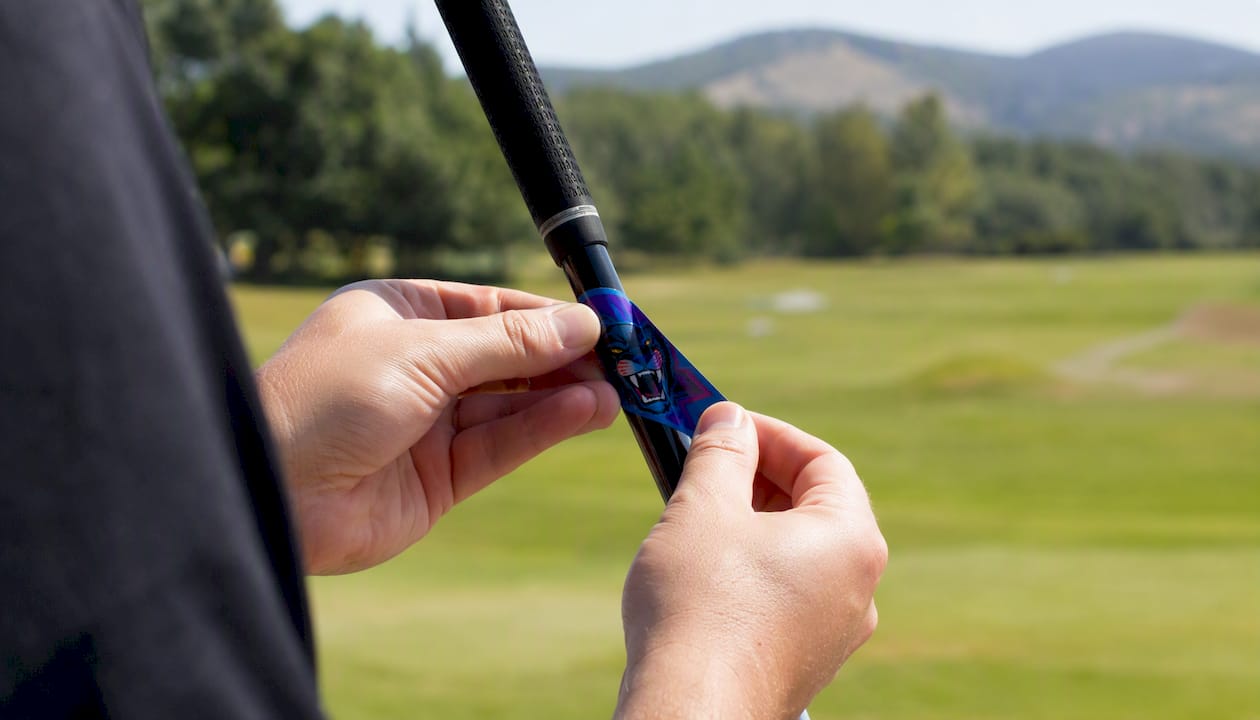
  • Club labeling and personalization: Knowing exactly which club you’re grabbing in high-pressure moments reduces hesitation and builds confidence.

Let’s compare what you get off the rack versus what a personalized setup offers:

Feature Off-the-rack clubs Personalized clubs
Fit to your swing No Yes
Shaft flex matched Rarely Always
Lie angle adjusted Rarely Standard
Grip size suited to hands No Yes
Confidence factor Low to moderate High

Beyond fit, golf club personalization has become one of the most exciting trends in the game. Custom labels, engraving, and color-coded identification make your bag feel like yours, and that psychological ownership matters more than people admit. When you know your gear, you trust your gear. For help navigating your options from scratch, this choosing golf clubs guide walks you through the decisions without overcomplicating things.

The real power of golf pro tips: what most amateurs miss

After decades of watching golfers of all levels struggle and improve, here’s what we’ve come to believe at Golf Blab: technique is only half the battle. The other half is mindset and course management, and most amateurs completely ignore it.

You can have a textbook swing and still shoot an 85 because of poor decision-making on the course. Pros don’t just teach mechanics. They teach you how to think under pressure, how to manage a bad hole without letting it ruin three more, and how to trust your practice when it counts.

Golf pros often combine technical instruction with mental and motivational coaching because they know the brain gives up before the body does. Achieving consistent results requires both.

“The golfer who manages their emotions manages their scorecard.”

Pro Tip: Before every round, set one mental intention, not a score goal, but a process goal. Something like: stay calm after bogeys, or commit to every club selection. That single shift changes how you play.

Stop chasing tips that only fix your swing. Start paying attention to what’s happening between your ears. That’s where lasting improvement lives.

Ready to learn from golf pros? Take your next step

Golf Blab exists for exactly this reason: to connect everyday golfers with pro-level knowledge, tools, and personalized solutions that actually move the needle. You don’t have to guess your way to a better game.

https://golf-blab.com

Start with our easy golf lessons that come backed by a money-back guarantee, because we believe that strongly in what proper instruction can do for your game. Want something more exclusive? You can play golf with a tour pro and get course-side insight that no YouTube video can replicate. And when you’re ready to make your bag truly yours, explore our custom golf club labels to add that personalized confidence to every shot you take.

Frequently asked questions

What is the best golf pro tip for beginners?

Focus on mastering your grip and stance before worrying about advanced techniques. These two elements form the basis for consistent swings and every other skill you build from there.

Aim for at least three short practice sessions per week to see steady improvement. Regular practice is the single most reliable driver of skill retention and progress.

Do I need personalized clubs to benefit from pro tips?

Personalized clubs can sharpen your performance, but technique always comes first for beginners. Custom clubs are beneficial but are not a prerequisite for learning the game.

How can I access professional golf lessons online?

Golf Blab offers online lessons and challenges led by professionals that are accessible from anywhere, without needing to book time at a private club.

Posted on

Aprende todos los pasos para jugar golf eficazmente

Un golfista perfecciona su swing al salir el sol en el campo de golf.

¿Sabes cuál es el error más común entre quienes intentan jugar golf por primera vez? No es el swing. Es empezar sin ningún orden. Llegan al campo sin saber qué palos llevar, cómo colocarse, ni qué reglas evitan una penalización innecesaria. Y eso arruina la experiencia antes de que empiece. Te entiendo porque lo he visto muchas veces. La buena noticia es que con los pasos correctos, evitas esa frustración desde el primer hoyo. En esta guía te explico exactamente cómo prepararte, cómo moverte en el campo y cómo ejecutar los fundamentos básicos para que tu primera ronda sea una experiencia real, no un caos.

Tabla de contenidos

Puntos Clave

Punto Detalles
Equipo básico Un set sencillo de palos y bolas marcadas minimiza errores desde el inicio.
Etiqueta y reglas Seguir la etiqueta y normas evita penalizaciones y mejora la convivencia en el campo.
Domina el swing Aprender postura, grip y tempo ayuda a ejecutar golpes efectivos y evitar lesiones.
Priorización estratégica Centrarse en precisión y ritmo adecuado es clave para disfrutar el golf y lograr mejores resultados.
Aprendizaje progresivo Tomar clases y practicar formatos flexibles acelera el desarrollo y evita malos hábitos.

Preparación previa: equipo y nociones esenciales

Antes de pisar el campo, necesitas tener claro qué llevas en la bolsa y por qué. El golf no requiere que compres todo lo que existe. Requiere que entiendas qué sirve para qué.

Según las reglas del juego, el máximo permitido son 14 palos en la bolsa, pero para principiantes un set básico de driver, madera 3, hierros del 5 al 9, wedge y putter es más que suficiente. No necesitas más. Necesitas practicar con menos y conocerlos bien.

Revisar nuestro checklist de equipamiento antes de tu primera salida te ahorra muchos dolores de cabeza.

Equipo básico vs opcional para principiantes:

Equipo Categoría Función principal
Driver Básico Salidas largas desde tee
Madera 3 Básico Fairway y distancias largas
Hierros 5 a 9 Básico Golpes de precisión en fairway
Wedge (pitching) Básico Approach y zona cerca del green
Putter Básico Golpes en el green
Hierro híbrido Opcional Alternativa a madera o hierros largos
Sand wedge Opcional Salidas de bunker
Bolsa con ruedas Opcional Comodidad en recorridos largos

Guía visual sobre los elementos esenciales y complementos para jugar al golf

En cuanto a las bolas, elige modelos de dos capas diseñados para principiantes. Son más fáciles de manejar y ofrecen más distancia con menos velocidad de swing. Consulta las reglas básicas de golf para entender cuándo una bola queda fuera de juego y qué debes hacer.

Reglas clave que debes conocer antes de empezar:

  • Juega la bola como está: no la muevas salvo excepciones específicas.
  • Si la bola está fuera de límites, aplica penalización de un golpe y repite el tiro.
  • Máximo 3 minutos para buscar una bola perdida.
  • No toques el green con el palo antes de hacer el putt.
  • Registra honestamente tus golpes en cada hoyo.

Consejo profesional: Marca tu bola con un punto o una inicial antes de salir. Las bolas se parecen mucho y confundirla con la de otro jugador te cuesta una penalización. Un simple marcador permanente te evita ese problema.

Ahora que conoces lo que necesitas y las reglas principales, pasemos al primer paso práctico en el campo.

Paso inicial en el campo: preparación y tee box

El tee box es donde comienza todo. Y hay un orden y una lógica que seguir si no quieres quedar mal frente a tus compañeros de ronda.

Los pasos en el tee box son claros: coloca la bola en un tee entre los marcadores de salida, elige el palo adecuado según la distancia del hoyo, respeta el orden de juego y golpea con el silencio de todos a tu alrededor. Después recoge tu tee y avanza.

Orden correcto para comenzar en el tee box:

  1. Identifica los marcadores de salida y el par del hoyo.
  2. Elige el palo según la distancia y tu nivel.
  3. Coloca el tee y la bola dentro del área de salida.
  4. Espera tu turno (el sistema “honor” lo tiene quien hizo menos golpes en el hoyo anterior).
  5. Golpea con seguridad y sin apresurarte.
  6. Recoge el tee del suelo antes de avanzar.

Palo recomendado según tipo de hoyo:

Tipo de hoyo Distancia aproximada Palo recomendado
Par 3 corto Menos de 150 m Hierro 7 u 8
Par 3 largo 150 a 200 m Hierro 5 o 6
Par 4 300 a 400 m Driver o madera 3
Par 5 Más de 400 m Driver

El sistema de juego “ready golf” se usa cada vez más en partidas informales: el primero que está listo golpea, sin esperar turno estricto. Es más rápido y fluido. Aprende sobre cómo se puntúa el golf para entender qué implica cada sistema.

Si tienes dudas sobre las normas del campo, nuestra guía de reglas del golf lo explica todo con detalle. También puedes consultar la etiqueta en tee box para no cometer errores sociales que incomoden al grupo.

Consejo profesional: Guarda silencio y detén el movimiento cuando alguien esté por golpear. No es solo cortesía, es parte fundamental del juego. Un distracción en el momento equivocado puede arruinar el golpe de tu compañero.

Ya sabes cómo empezar bien una ronda. El siguiente paso es dominar el movimiento básico: el swing.

La técnica del swing: fundamentos clave para principiantes

El swing es la parte que más asusta. Y también la que más se sobrecompica. La realidad es que hay cinco elementos básicos que, si los ejecutas en orden, ya tienes el 80% del trabajo hecho.

Jugador de golf recibiendo consejos para perfeccionar su swing

Siguiendo los fundamentos del swing básico, la secuencia correcta es: postura atlética con pies al ancho de hombros, rodillas ligeramente flexionadas y espalda recta; grip firme pero relajado con la “V” de los pulgares apuntando al hombro derecho; backswing con rotación de hombros y brazo izquierdo extendido; downswing que inicia desde las caderas; e impacto con brazos extendidos seguido de un follow-through equilibrado con el torso apuntando al objetivo.

Pasos para ejecutar un swing correcto:

  1. Postura: pies al ancho de hombros, rodillas flexionadas, peso en la parte delantera de los pies.
  2. Grip: agarre firme pero sin tensión excesiva, “V” apuntando al hombro derecho.
  3. Alineación: hombros, caderas y pies paralelos a la línea del objetivo.
  4. Backswing: gira los hombros, extiende el brazo izquierdo, mantén la cabeza quieta.
  5. Downswing: inicia el movimiento desde las caderas, no desde los brazos.
  6. Impacto: brazos extendidos, cabeza aún sobre la bola.
  7. Follow-through: torso completo apuntando al objetivo, equilibrio total.

Errores más comunes en el swing:

  • Grip demasiado tenso que bloquea la rotación natural.
  • Mover la cabeza antes del impacto.
  • Iniciar el downswing con los brazos en lugar de las caderas.
  • Intentar “golpear fuerte” en lugar de mantener el tempo.
  • No completar el follow-through por miedo a perder el equilibrio.

Para profundizar en la técnica del swing y ver cómo cada parte del movimiento se conecta, te recomiendo revisar también esta guía para mejorar el swing. Y si ya identificas errores específicos en tu movimiento, aquí puedes ver cómo corregir errores del swing con indicaciones concretas.

Consejo profesional: El tempo ideal del swing es 3:1, es decir, el backswing tarda el triple que el downswing. No intentes pegarle fuerte. Intenta pegarle bien. La distancia viene sola cuando el movimiento es limpio.

Después de dominar el swing, es esencial saber cómo gestionar la bola y los golpes en campo hasta llegar al green.

Gestión de golpes desde el fairway hasta el green

Una vez que saliste del tee, el juego se convierte en toma de decisiones. Cuál palo usar, dónde colocarte, qué riesgo vale la pena correr. Y aquí es donde muchos principiantes se complican más de lo necesario.

La lógica es simple: en fairway o rough usa hierros o híbridos; cerca del green usa wedges para el approach; sobre el green usa siempre el putter. Según los consejos para principiantes de la Federación Colombiana de Golf, la estrategia fundamental es priorizar precisión sobre distancia y evitar riesgos innecesarios.

Entender los tipos y usos de hierros te ayuda a tomar esas decisiones más rápido y con más confianza. También vale la pena revisar consejos de estrategia para saber cuándo atacar y cuándo jugar seguro.

Errores frecuentes en fairway y green:

  • Elegir el palo más largo pensando que más distancia es mejor.
  • Intentar saltar obstáculos en lugar de rodearlos.
  • No calcular el viento ni el desnivel del terreno.
  • Golpear con demasiada fuerza en el approach y pasarse del green.
  • Ignorar las reglas de penalización cuando la bola cae en zona de penalización.

“La estrategia en golf no es sobre el golpe más espectacular. Es sobre el error que puedes permitirte sin que te cueste la ronda. Aprende a jugar el golpe seguro primero.”

Si te interesa entender los formatos de competencia donde la estrategia cambia radicalmente, el artículo sobre match play en golf es un buen punto de partida.

Consejo profesional: Cuando estés cerca del green, elige siempre el palo que te dé más control, no el que te dé más distancia. Un chip limpio es mejor que una madera que se pasa 30 metros.

Finalmente, conocer y aplicar la etiqueta y reglas dentro y fuera del green asegura una experiencia cómoda y segura para todos.

Etiqueta, ritmo y reglas básicas durante el juego

El golf tiene una cultura propia. Y parte de aprender a jugar es entender cómo comportarse en el campo. Esto no es opcional. Es parte del juego.

Según las normas de etiqueta, los puntos fundamentales son: guardar silencio cuando alguien golpea, reparar los piques del green (los pequeños hoyos que deja la bola al caer), rastrillar el bunker después de usarlo, mantener un ritmo de 40 segundos por golpe y gritar “¡Fore!” si hay riesgo de que la bola impacte a alguien.

Puntos clave de etiqueta en el campo:

  • Silencio absoluto mientras alguien realiza su swing.
  • Repara siempre los piques del green con la herramienta específica.
  • Rastrilla el bunker antes de salir de él.
  • Mantén el ritmo: si vas lento, cede el paso al grupo de atrás.
  • Grita “¡Fore!” con fuerza si la bola puede golpear a alguien.
  • No camines sobre la línea de putt de otro jugador en el green.
  • Apaga o silencia el teléfono durante la ronda.

Una ronda de 18 hoyos tarda aproximadamente 3.5 horas con un grupo de cuatro jugadores. Alrededor del 40% de los golpes en una ronda típica ocurren en el green. Saber hacer putts cortos con confianza cambia completamente tu marcador.

Tu elección de ropa de golf y convivencia también comunica respeto por el campo y los demás jugadores. Y si necesitas repasar las normas en detalle, nuestra sección de reglas del golf explicadas cubre desde lo más básico hasta situaciones poco comunes. También puedes revisar consejos sobre práctica en campo de golf antes de tu primera ronda real.

Con los fundamentos técnicos y las normas claras, es momento de compartir una perspectiva realista y algunos consejos que rara vez aparecen en guías estándar.

Lo que nadie te dice: errores, formatos y mejora real

Aquí va la verdad que pocas guías te dicen: puedes leer todos los artículos del mundo y seguir teniendo un swing horrible. ¿Por qué? Porque los malos hábitos se instalan rápido y se corrigen despacio.

Los principiantes que evitan clases terminan automatizando errores durante meses. Un profesional te corrige en la primera sesión lo que tú no verías en seis meses de práctica solitaria. No lo digo para asustarte. Lo digo porque es la diferencia real entre progresar y estancarte.

Elige formatos de juego que te perdonen los errores al inicio. El Stableford, por ejemplo, te permite seguir jugando aunque hayas tenido un hoyo desastroso, porque puntúas por puntos y no por golpes totales. El stroke play tradicional puede ser frustrante cuando eres nuevo. El match play y formatos alternativos hacen el aprendizaje más llevadero.

Y practica ANTES de la ronda. Veinte minutos en el range y diez minutos en el putting green te ponen en un estado mental completamente diferente al de llegar frío al primer tee. No lo subestimes.

Consejo profesional: Si notas que tu grip se tensa cuando sientes presión, es señal de que necesitas más repeticiones en práctica tranquila antes de trasladarlo al campo real.

Soluciones y recursos para mejorar tu experiencia en golf

Si llegaste hasta aquí, ya tienes una base sólida. Ahora la pregunta es: ¿qué sigue? El siguiente paso es contar con las herramientas y el apoyo correcto para que tu progreso no se detenga.

https://golf-blab.com

En Golf Blab encontrarás exactamente eso. Desde la personalización de palos para identificar tu equipo con estilo propio, hasta lecciones fáciles de golf con garantía de satisfacción diseñadas especialmente para principiantes que quieren progresar rápido y sin rodeos. No te ofrecemos teoría aburrida. Te ofrecemos resultados concretos desde la primera sesión. Empieza hoy.

Preguntas frecuentes

¿Cuántos palos puedo llevar como principiante?

Puedes llevar hasta 14 palos permitidos, pero para empezar basta un set básico de driver, madera, hierros, wedge y putter. Menos palos significa más enfoque en cada uno.

¿Qué hago si pierdo mi bola o va fuera de límites?

Debes aplicar una penalización de un golpe y repetir el tiro desde el mismo lugar; tienes un máximo de 3 minutos para buscar la bola antes de declararla perdida.

¿Cómo puedo evitar errores habituales en el swing?

Lo ideal es tomar clases con un profesional para corregir desde el inicio; además, practica el tempo 3:1 y mantén un grip relajado sin tensión excesiva.

¿Qué tiempo dura una ronda de golf típica?

Una ronda de 18 hoyos toma alrededor de 3.5 horas con un grupo estándar de cuatro jugadores manteniendo buen ritmo.

¿Cuál es la mejor estrategia para principiantes en el campo?

Prioriza precisión sobre distancia, evita tomar riesgos innecesarios y mantén siempre un ritmo de juego constante para no afectar al resto del grupo.

Recomendación

Posted on

Golf ball trajectory: unlock better swings in 2026

Golfer watching golf ball launch off tee


TL;DR:

  • Golf ball trajectory is primarily influenced by face angle and club path, not swing strength.
  • Understanding and controlling shot shape through setup and feedback improves consistency and scores.
  • Matching trajectory to conditions and mastering shot shaping can lead to significant game improvement.

Most golfers assume that hitting the ball farther is simply a matter of swinging harder. That’s the myth the golf industry has quietly let slide for decades. The naked truth? Ball flight depends on face angle and club path far more than swing strength. Once you understand what actually shapes your trajectory, everything changes. Your consistency improves, your misses become more predictable, and you start playing with real intention instead of hope. This guide will walk you through what trajectory really is, what controls it, and how you can use that knowledge to hit better shots starting today.

Table of Contents

Key Takeaways

Point Details
Trajectory basics Golf ball trajectory is shaped by clubface angle, path, spin, and conditions.
Face controls starting line Your clubface angle determines most of your shot’s initial direction.
Path shapes curvature Path versus face relationship creates curves like fades and draws.
Tools speed learning Launch monitors and drills help you quickly master trajectory adjustments.
Practical application Understanding trajectory means more accuracy and lower scores on the course.

What is golf ball trajectory?

Trajectory is the flight path your ball takes from the moment of impact until it lands. Simple enough. But here’s where most golfers get confused: trajectory isn’t just about how high or how far the ball goes. It’s about the shape of the flight. Is the ball climbing steeply? Flattening out? Curving left or right? That shape is what we mean when we talk about trajectory.

Distance and height are byproducts of trajectory, not the same thing. A ball can fly high and still curve dramatically offline. A ball can fly low and still be perfectly accurate. What you’re really trying to control is the combination of launch angle, curvature, and landing behavior.

So what shapes trajectory? Here are the main variables:

  • Clubface angle: The direction the face points at impact
  • Swing path: The direction the clubhead is traveling through the hitting zone
  • Spin rate and axis: Backspin keeps the ball airborne; sidespin creates curve
  • Launch angle: How steeply or shallowly the ball leaves the face
  • Wind: External force that amplifies or reduces spin effects

Here’s a simple breakdown of how each variable generally affects your ball flight:

Variable Effect on trajectory
Open clubface Ball starts right, fades or slices
Closed clubface Ball starts left, draws or hooks
Out-to-in swing path Adds fade or slice spin
In-to-out swing path Adds draw or hook spin
High launch angle More height, shorter roll
Low launch angle Penetrating flight, more roll
Headwind Amplifies spin effects

Why does this matter? Because when you understand trajectory, you stop guessing. You know why the ball went where it went. And that’s when you can actually fix it. Alignment tips for consistency become meaningful when you understand what the ball is reacting to. Face angle is responsible for 75 to 85% of the ball’s starting direction. That one fact alone should change how you practice.

Modern ball flight laws: face angle and club path explained

For years, golf instructors taught that your swing path determined where the ball started. That was wrong. Modern launch monitor data has rewritten what we know, and the results are pretty eye-opening.

Here’s the updated reality: clubface angle determines 75 to 85% of where the ball starts. The relationship between your club path and your face angle then determines the curve. If your face is open relative to your path, the ball fades or slices. If it’s closed relative to your path, the ball draws or hooks.

Old belief Modern ball flight law
Path determines starting direction Face angle determines starting direction
Square path = straight shot Face-to-path relationship = shot shape
Fix your swing path to fix the slice Fix your face first, then address path
Higher swing speed = straighter shots Consistent face control = straighter shots

“The clubface is the steering wheel, and the path is the gas pedal. You can press the gas all you want, but if the wheel is crooked, you’re going off the road.” This captures what modern ball flight laws have confirmed through data.

For swing plane accuracy, understanding this relationship is foundational. Here’s how to put this into practice:

  1. Check your face first. Before you analyze your swing path, look at where your face is pointing at impact. Use alignment sticks or a mirror drill.
  2. Identify your face-to-path gap. If you’re slicing, your face is open to your path. If you’re hooking, it’s closed. Know your gap.
  3. Make face adjustments before path adjustments. Grip changes, hand position, and setup tweaks affect the face. Nail that first.
  4. Then refine your path. Once your face is more neutral, work on swinging more in-to-out or out-to-in based on your desired golf shot types.
  5. Use feedback tools. Impact tape, foot spray on the face, or a launch monitor will confirm what’s actually happening at impact.

This sequence sounds obvious once you hear it. But most amateurs do it backwards. They chase their swing path while ignoring a wildly open or closed face. No wonder progress is so slow.

The main types of golf ball trajectories and how to identify them

Now that you understand the forces behind ball flight, let’s look at the real-world trajectories you see on the golf course. Being able to name and recognize what you’re seeing is the first step toward diagnosing your own swing.

Here are the seven most common ball flight shapes:

  • Straight: Face square to path. Rare but beautiful. The goal for most shots.
  • Fade: Ball starts slightly left (for right-handers) and gently curves right. Controlled. Tour players love this.
  • Draw: Ball starts slightly right and curves left. Adds distance. Also very controlled.
  • Slice: An exaggerated fade. Face dramatically open to path. High spin, big curve right. The most common amateur miss.
  • Hook: An exaggerated draw. Face dramatically closed. Violent left curve. Usually happens when someone overcorrects a slice.
  • High trajectory: Steep attack angle, high launch, lots of spin. Good for stopping the ball on firm greens, bad into the wind.
  • Low trajectory: Shallow angle, low launch, less spin. Penetrates wind, runs out on landing.

Here’s a stat that puts curve into real perspective: a 5-degree face-to-path tilt can produce 3.5 yards of curve per 100 yards of carry. That might not sound like much, but at 250 yards, that’s nearly 9 yards of lateral movement. Enough to land in rough, or worse.

Pro Tip: Start tracking your most common shot shape during your next round. Don’t try to fix it yet. Just observe. Does the ball always start left? Always curve right? That pattern tells you everything. It’s your fastest shortcut to lowering your scores quickly because you stop being surprised by your own ball.

Recognizing your shot shape is not about labeling yourself a bad golfer. It’s about getting honest data so you can make smarter decisions on the course and in practice.

Infographic outlining golf shot types and factors

How to control and improve your golf ball trajectory

Understanding shot shapes is one thing. Controlling them is where real improvement happens. Here’s a practical sequence to start shaping your trajectory with intention.

  1. Grip pressure and position. A strong grip (hands rotated right on the club) promotes a draw. A weaker grip encourages a fade. Experiment with small adjustments before making big swing changes.
  2. Ball position. Moving the ball forward in your stance increases launch angle and adds fade spin. Moving it back decreases launch and promotes a draw or lower flight.
  3. Alignment. Where your feet, hips, and shoulders point affects your swing path. Proper alignment is underrated as a trajectory tool.
  4. Clubface awareness at address. Get in the habit of consciously setting your face before each shot. Open slightly for a fade, closed slightly for a draw.
  5. Commit to the shape. Hesitation kills trajectory control. Pick your shot, set up for it, and trust it.

Simple drills to reinforce trajectory control:

  • Feet-together drill: Swinging with feet together forces you to use your hands and arms more actively, which sharpens face awareness.
  • Headcover under arm: Keeps the trail arm connected, improving path consistency.
  • Alignment stick target drill: Set a stick 10 yards ahead as an intermediate target. Practice starting the ball at that stick, then let the curve do its job.

Launch monitors provide real-time feedback on face angle and path for every swing, and if you have access to one, use it. Even one session with launch monitor data can tell you more than months of guessing. Combining these effective practice routines with feedback tools accelerates improvement dramatically. And if you can’t get to a range, there are solid ways to work on practicing at home too.

Golf instructor and student review launch monitor

Pro Tip: Match your trajectory to the conditions. Playing into a headwind? Hit a lower, more boring flight with less spin. Downwind? Let the ball climb. Controlling trajectory situationally is what separates smart golfers from hard-swinging ones.

A fresh perspective: why your trajectory matters more than you think

Here’s something the golf industry doesn’t want to say out loud: most amateurs would improve faster by working on trajectory control than by buying new clubs or chasing more distance. We’ve seen it firsthand. A player who learns to shape the ball consistently, even imperfectly, will outperform someone with a 20-yard distance advantage who sprays it all over the lot.

Matching trajectory to conditions is genuinely as valuable as adding yards to your drive. That’s not a feel-good statement. It’s a practical reality.

We worked with an amateur who was stuck at a 16 handicap for three years. New driver, new irons, still the same scores. The moment he stopped chasing distance and started understanding his natural draw and how to use it, his handicap dropped by four strokes in a single season. Same swing. Better trajectory awareness.

There’s also a confidence angle here that nobody talks about. When you know your shot shape, you stop fearing your own swing. You trust it. That mental shift alone is worth something significant on the scorecard. Boosting shot consistency starts in your head as much as it does at the range.

Ready to master your trajectory?

If you’re serious about turning this knowledge into lower scores, Golf Blab has the tools to get you there.

https://golf-blab.com

Our golf lessons with a money-back guarantee walk you through face control, path awareness, and trajectory shaping in a way that actually sticks. We also carry the Tour Performance Golf Balls designed to give you consistent feedback and flight on every shot. And if you want to see how trajectory knowledge fits into the full picture, our complete guide to golf shots is your next read. Your trajectory is telling you something. It’s time to listen.

Frequently asked questions

What factors most influence golf ball trajectory?

Face angle and club path are the principal determinants of ball flight, with spin rate playing a strong supporting role in shaping curvature and height.

How can I adjust my shot for windy conditions?

Use a lower trajectory with reduced spin to keep the ball stable. Lower spin in wind minimizes the amplifying effect that a headwind has on sidespin and curvature.

Do launch monitors really help improve trajectory?

Absolutely. Launch monitors provide actionable feedback on face angle and path in real time, which shortens the feedback loop and speeds up real improvement far more than trial and error alone.

What’s the difference between a fade and a slice?

Both curve right for right-handed players, but a fade is intentional and controlled, while a slice results from an exaggerated spin axis from face-to-path gap that sends the ball wildly offline.